Electrical & Switchgear
Enclosures, conductors and mounting components that bring protection, secure connections and precise fit to electrical assemblies
Explore componentsPlan the mechanical and electrical interfaces
Enclosures, mounting parts and conductors must work together in the finished assembly. Identify where current must flow, where insulation is needed and which faces or holes locate the equipment
Mounting accuracy
Hole patterns and mounting faces locate breakers, busbars and enclosures; positional tolerance drives assembly time.
Coatings and electrical interfaces
Contact surfaces need conductive plating, while enclosures need insulation, corrosion protection and earthing continuity.
Repeatable assembly
Panels are built in volume; consistent parts and fasteners keep lines moving.
Explore components by process
Explore representative components for your industry, grouped by manufacturing process. We can review other parts against your drawing and requirements
Die casting
Process overview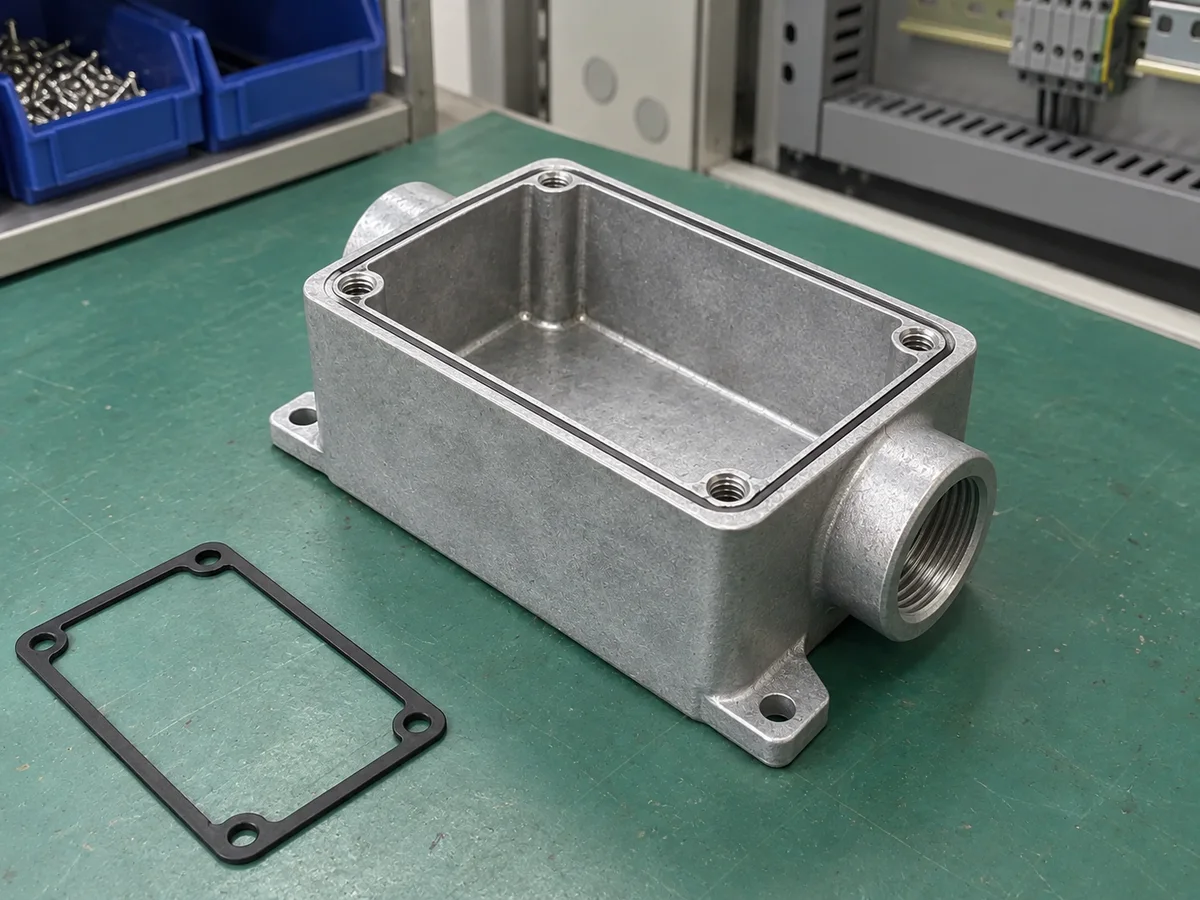
Industrial electrical enclosures
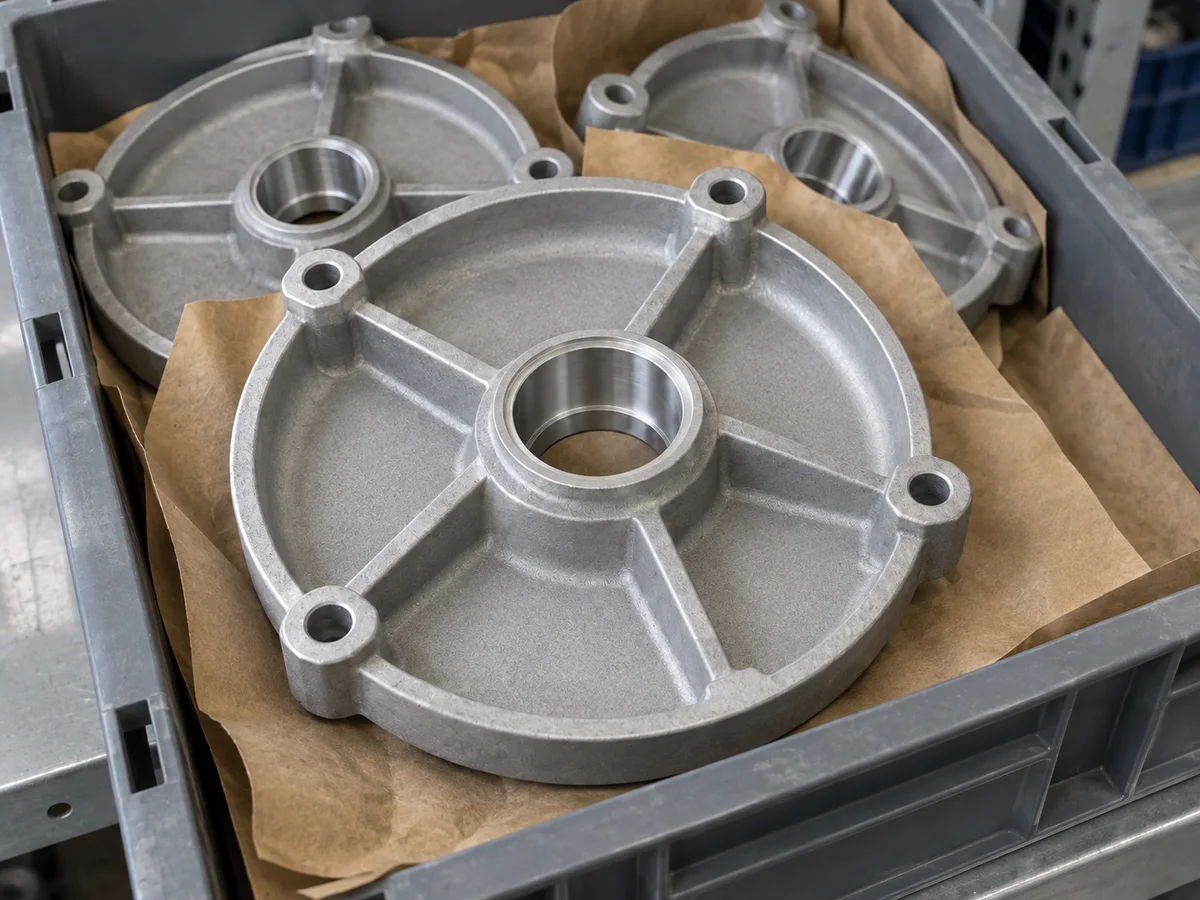
Small motor end shields
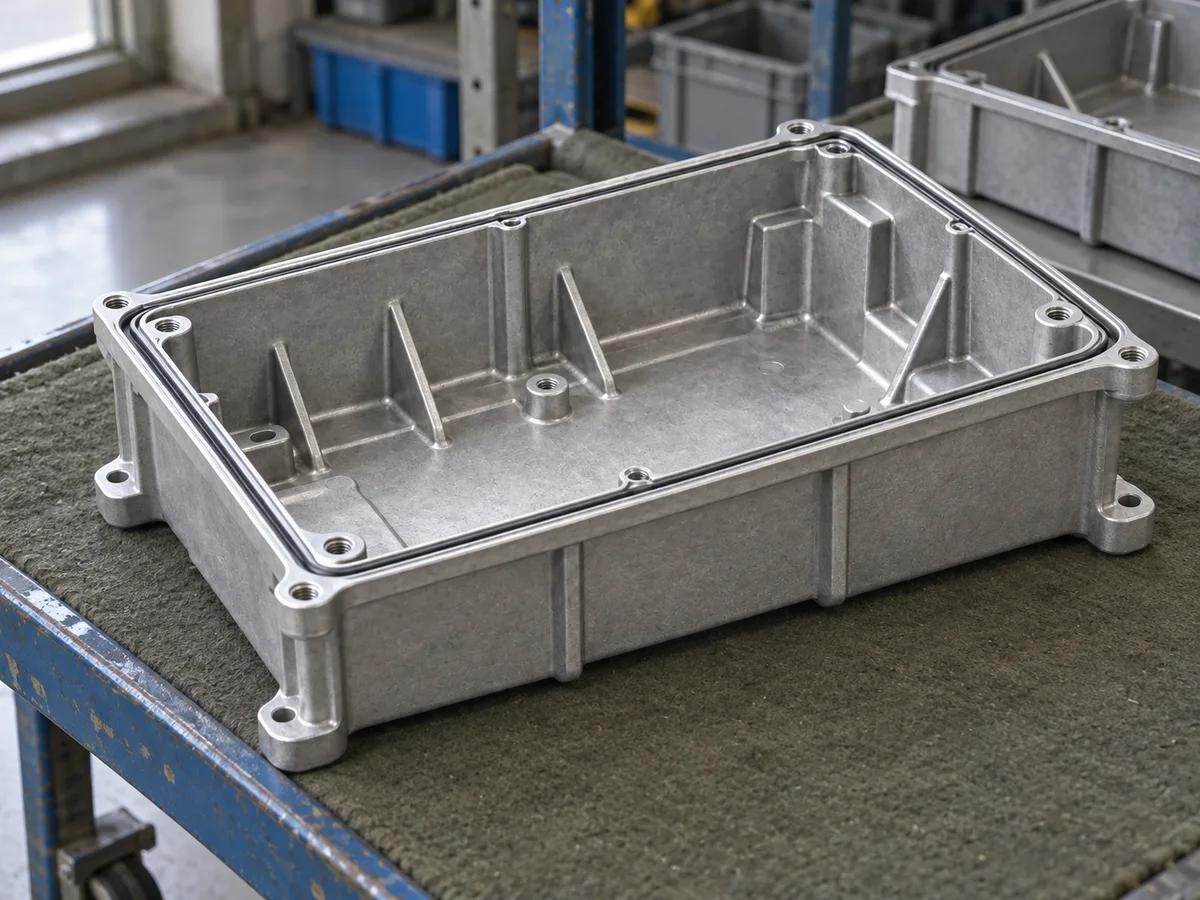
Drive-controller housings
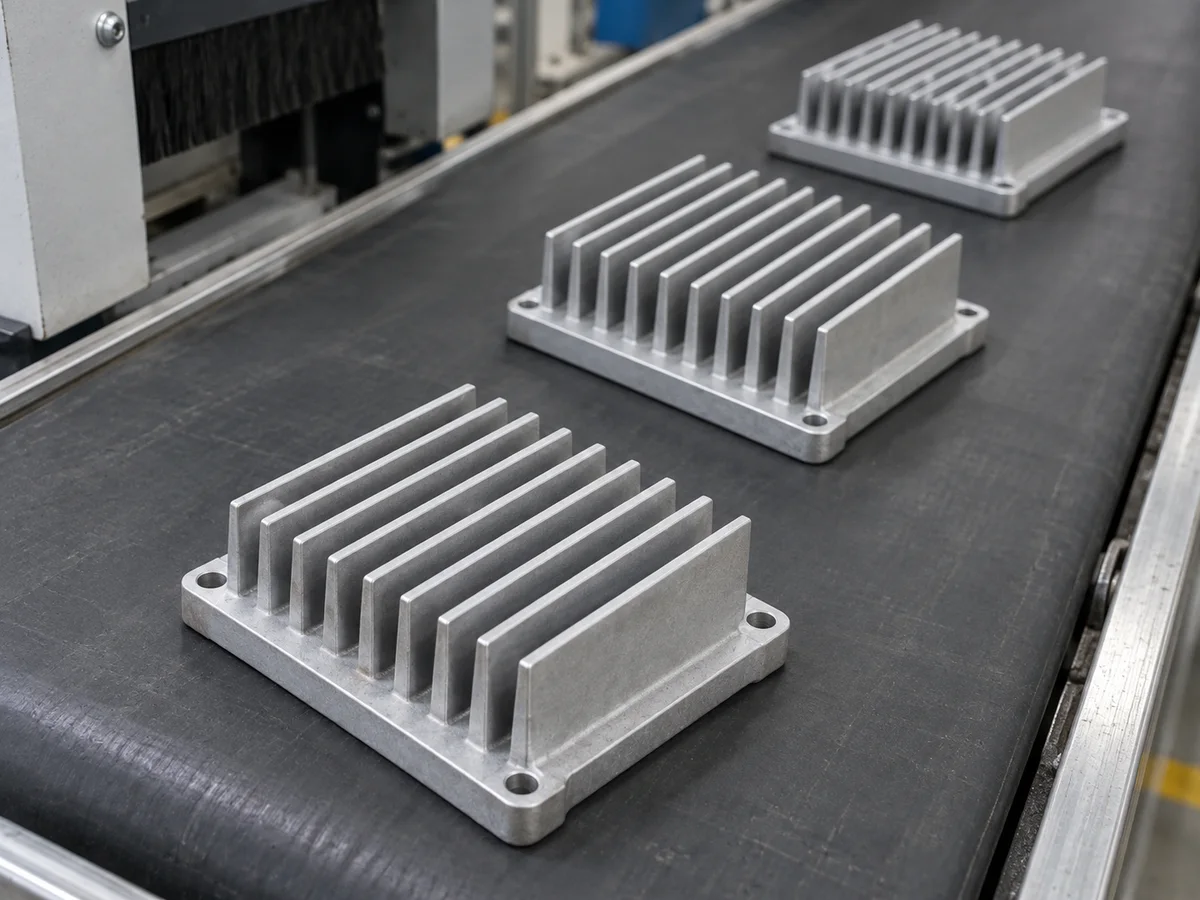
Drive-controller heat sinks
Fabrication
Process overview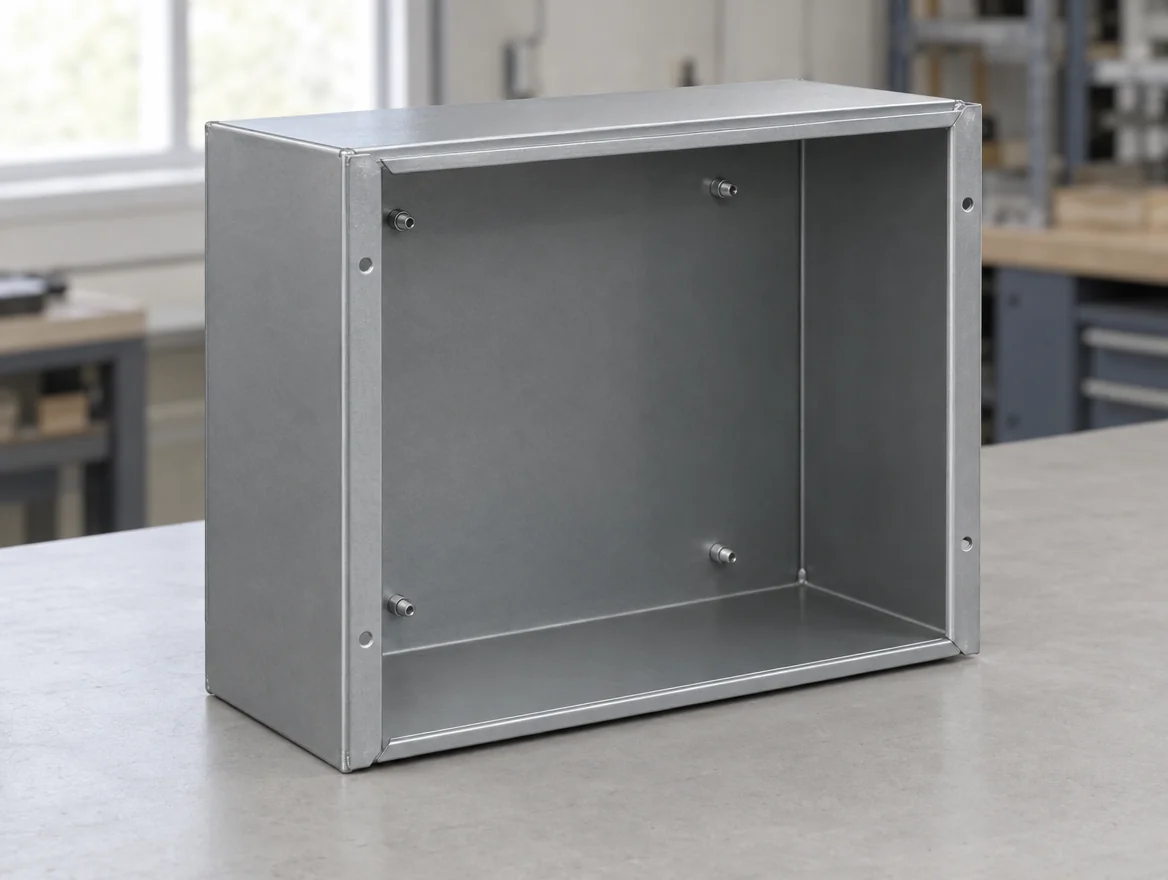
Control-panel cabinets
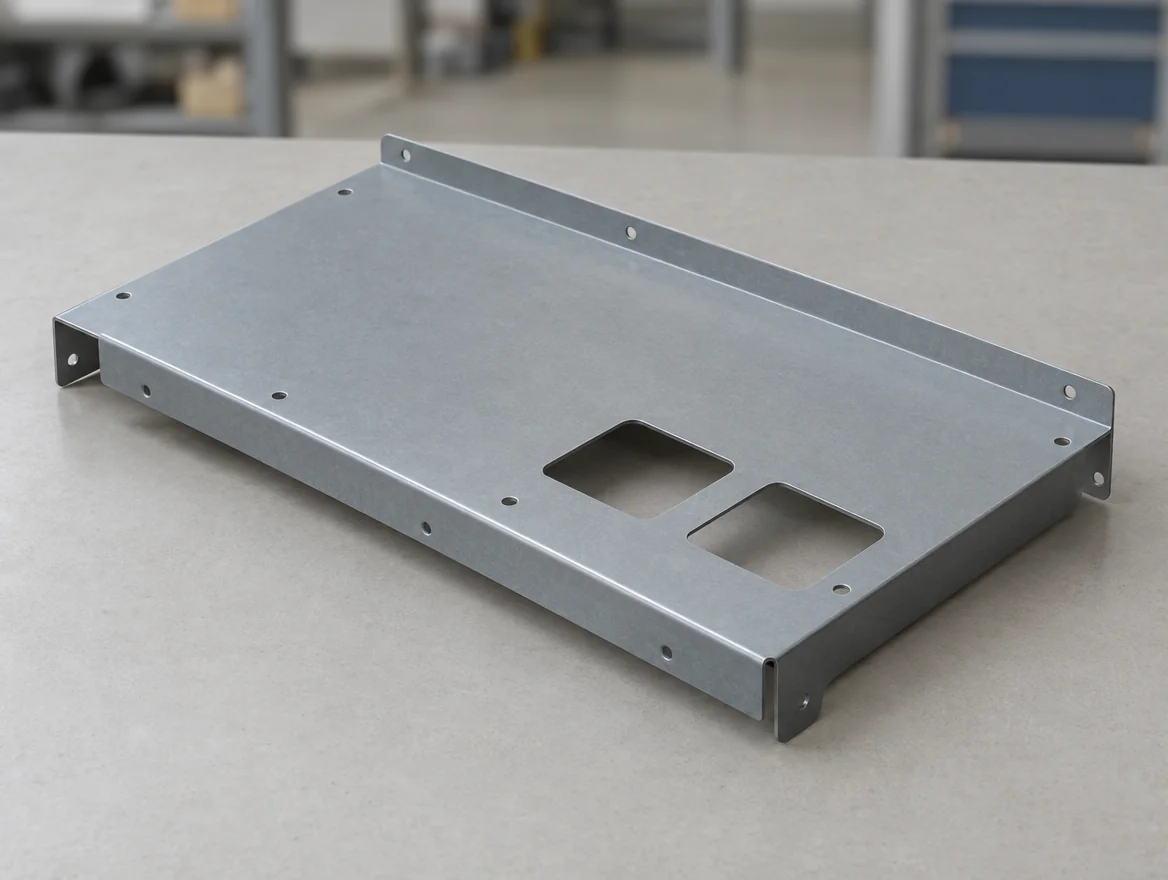
Internal mounting panels
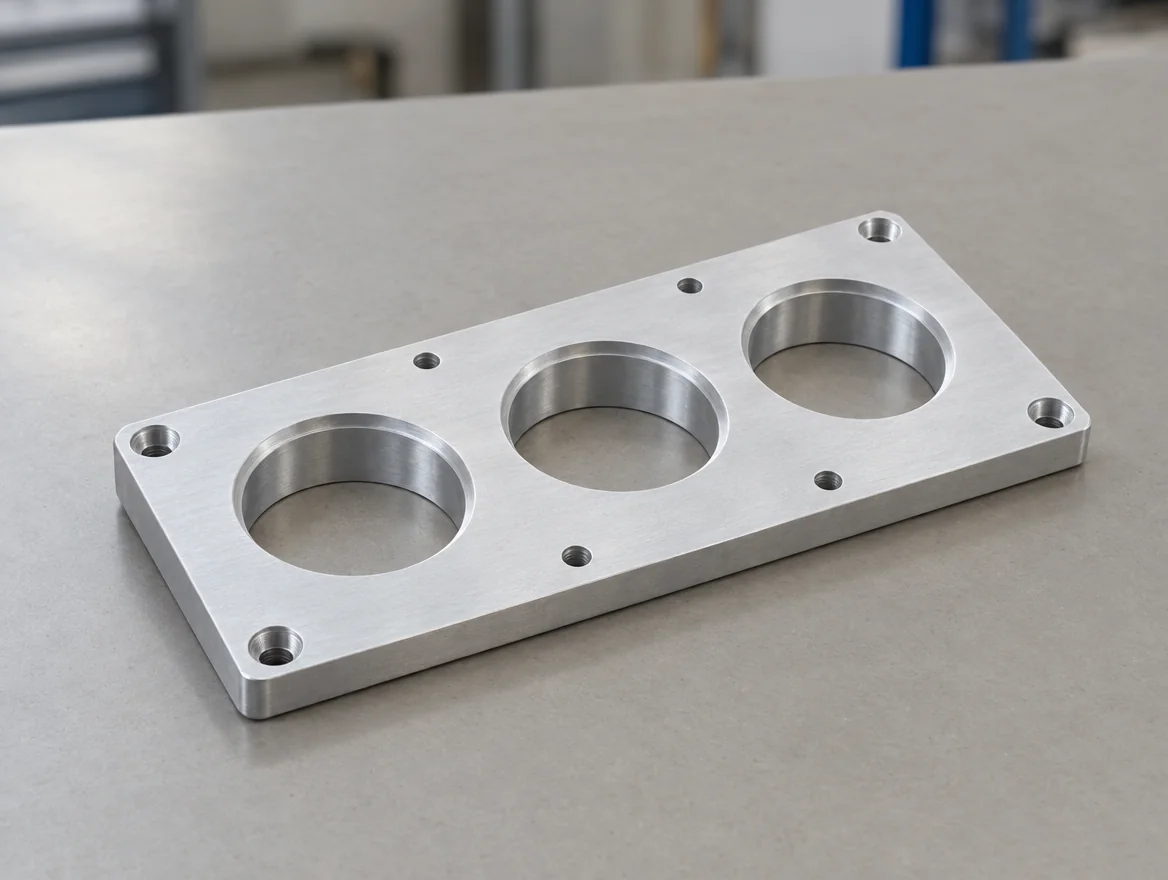
Cable gland plates
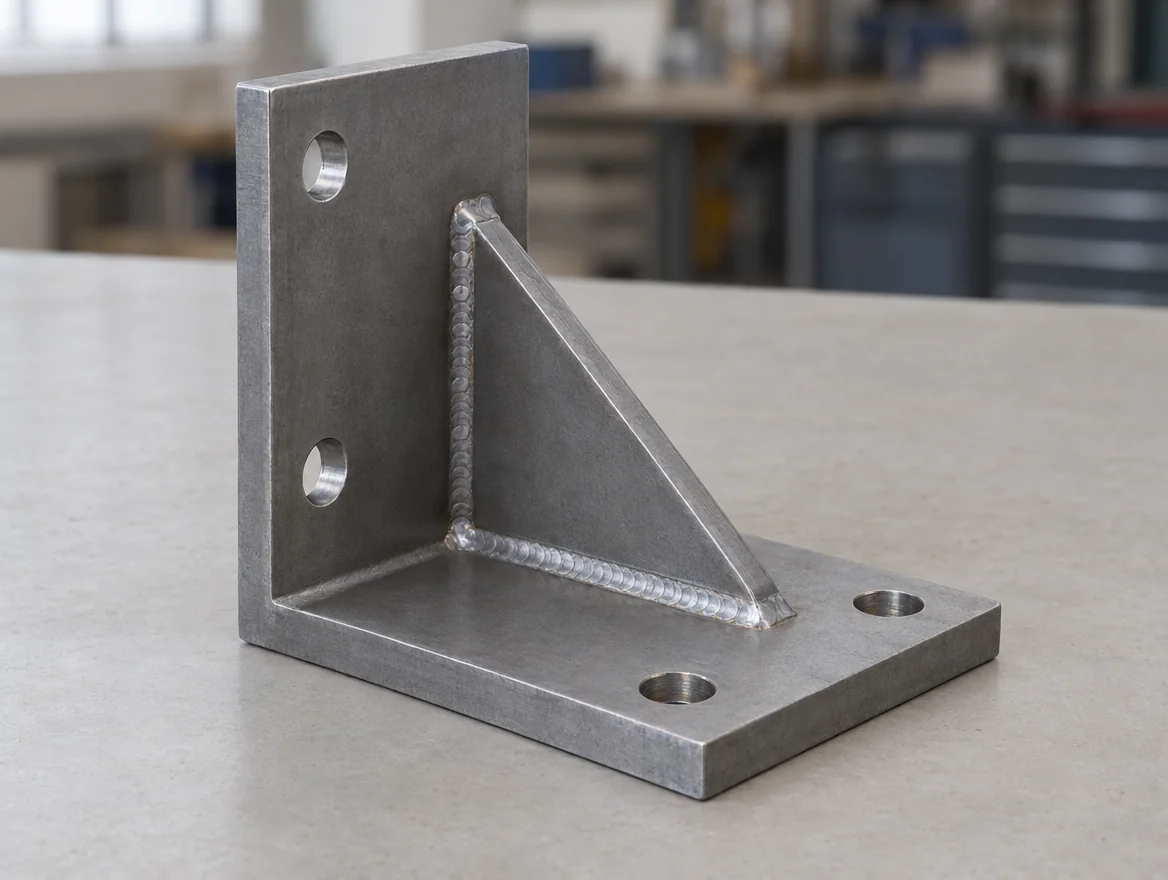
Switchgear mounting brackets
Fasteners
Process overview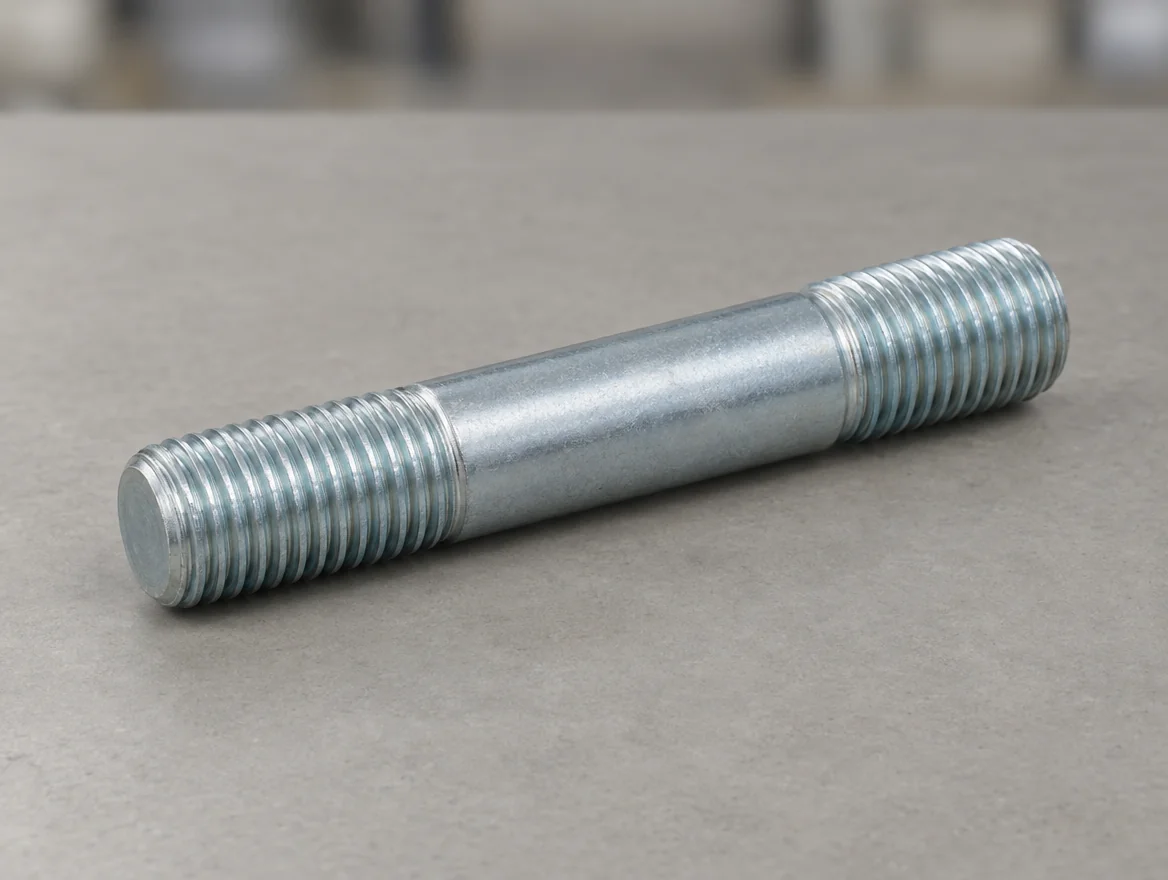
Panel mounting studs
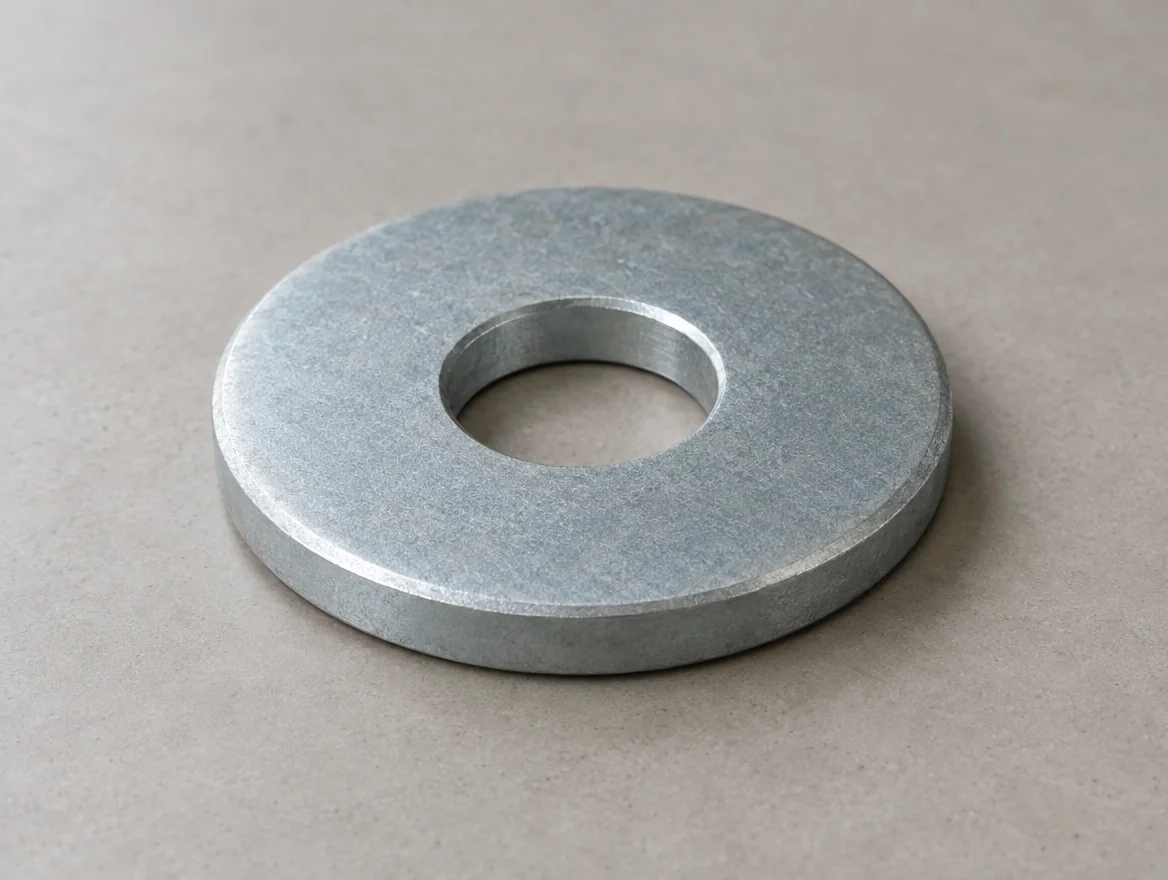
Panel assembly washers
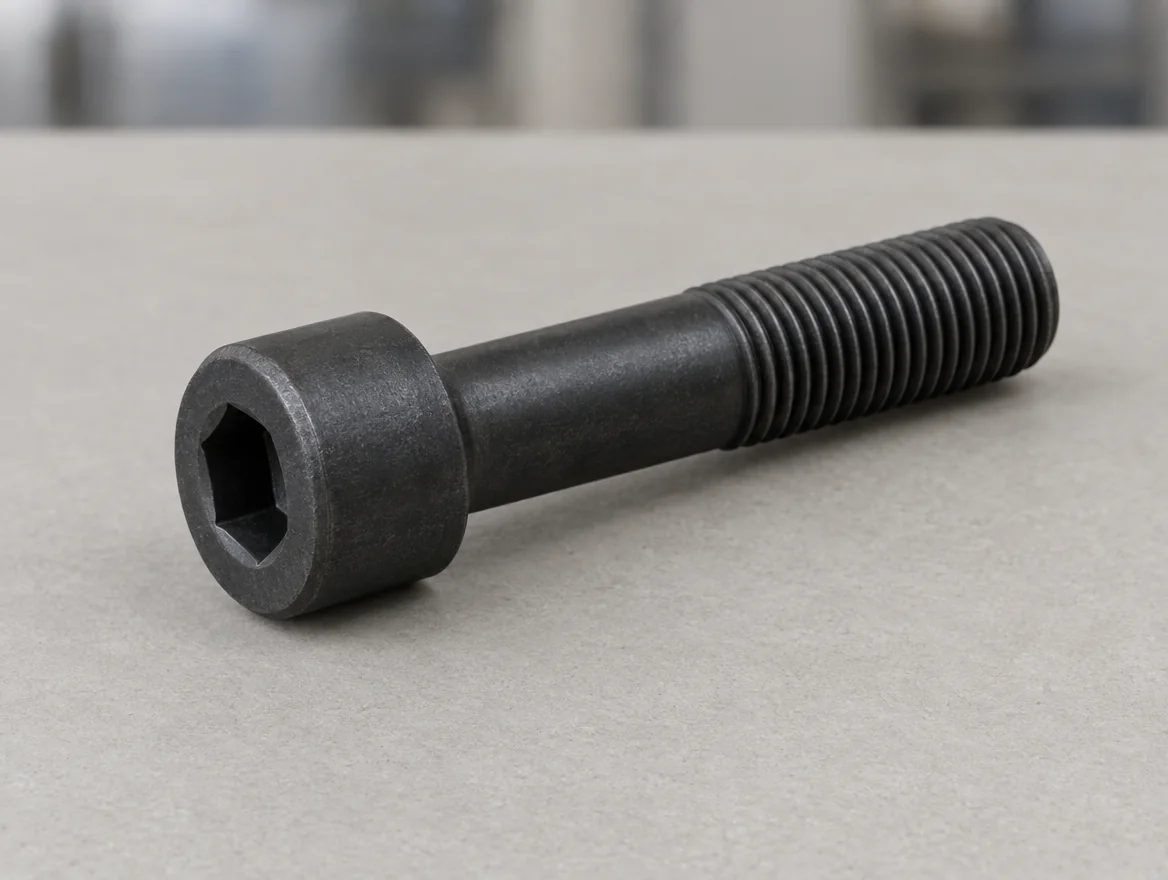
Enclosure assembly screws
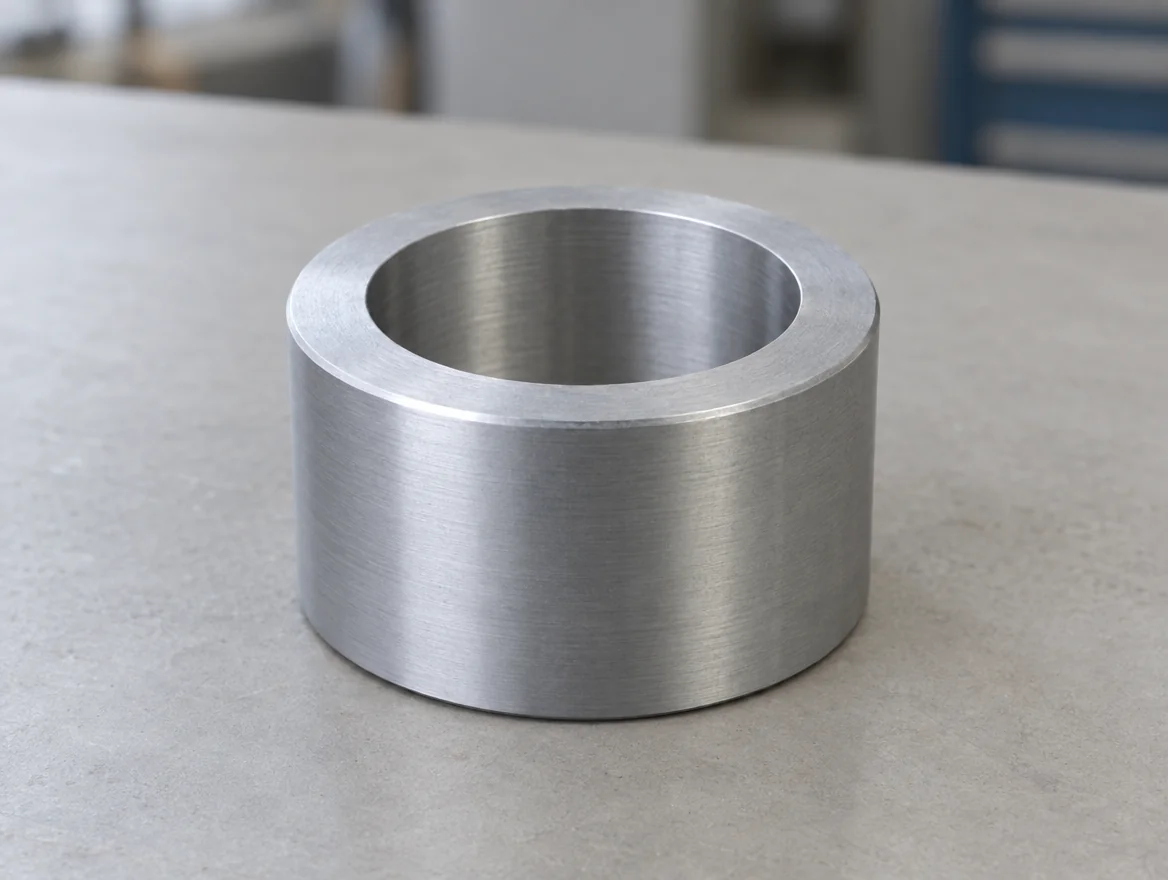
Panel spacing sleeves
Surface Treatment
Process overview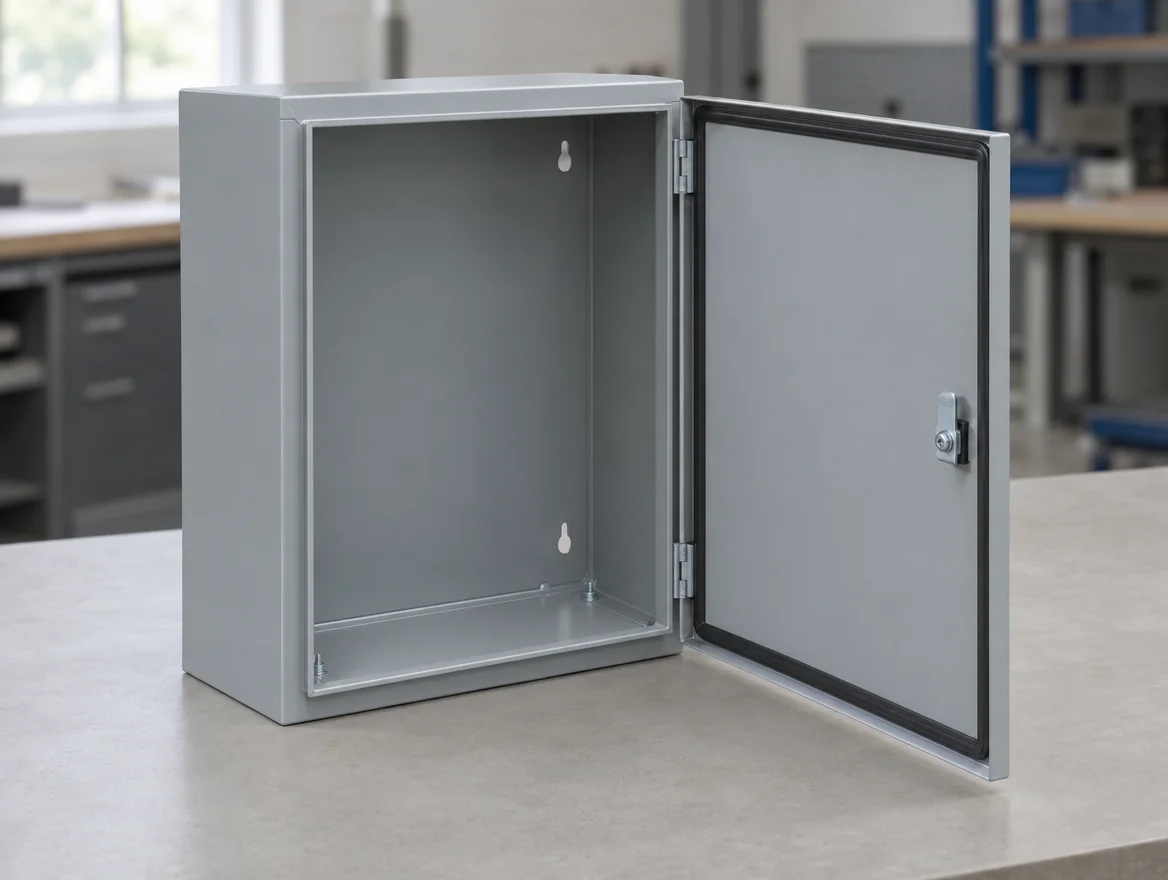
Powder-coated cabinets
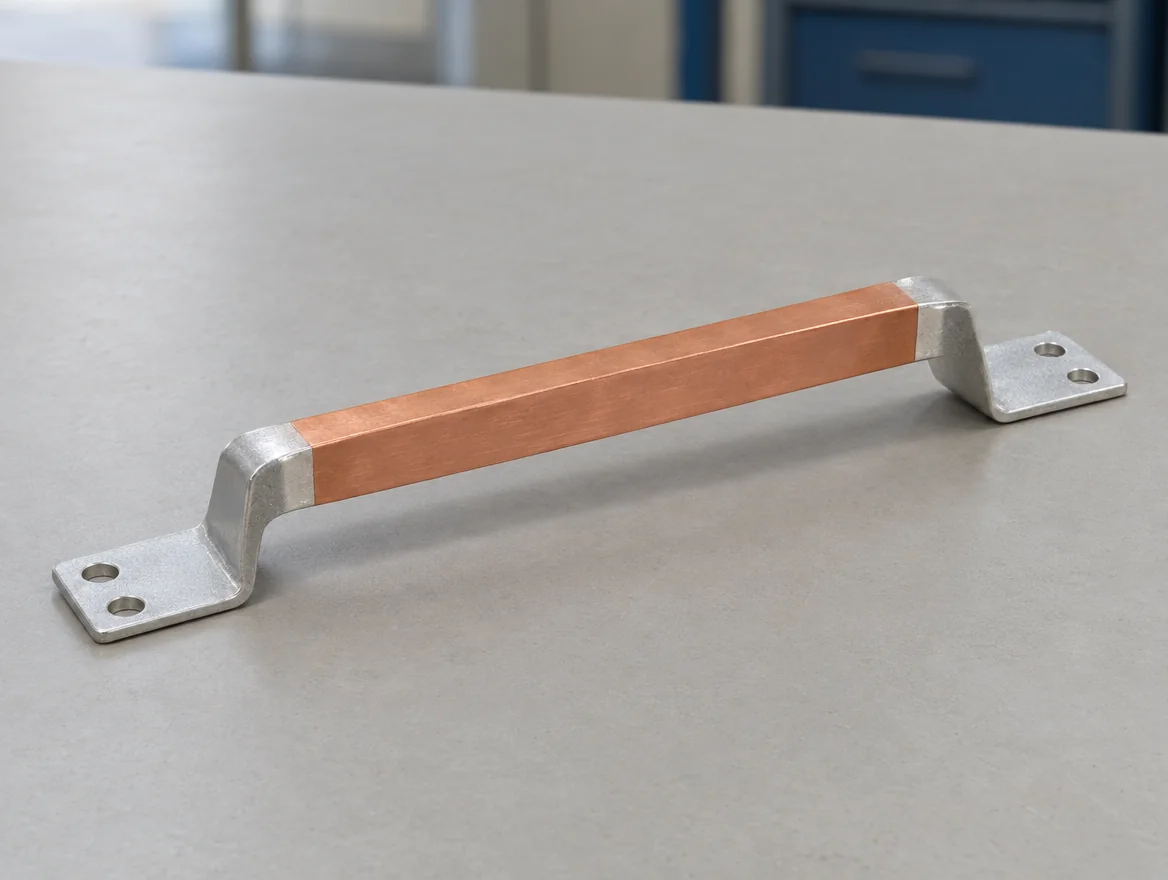
Plated switchgear busbars
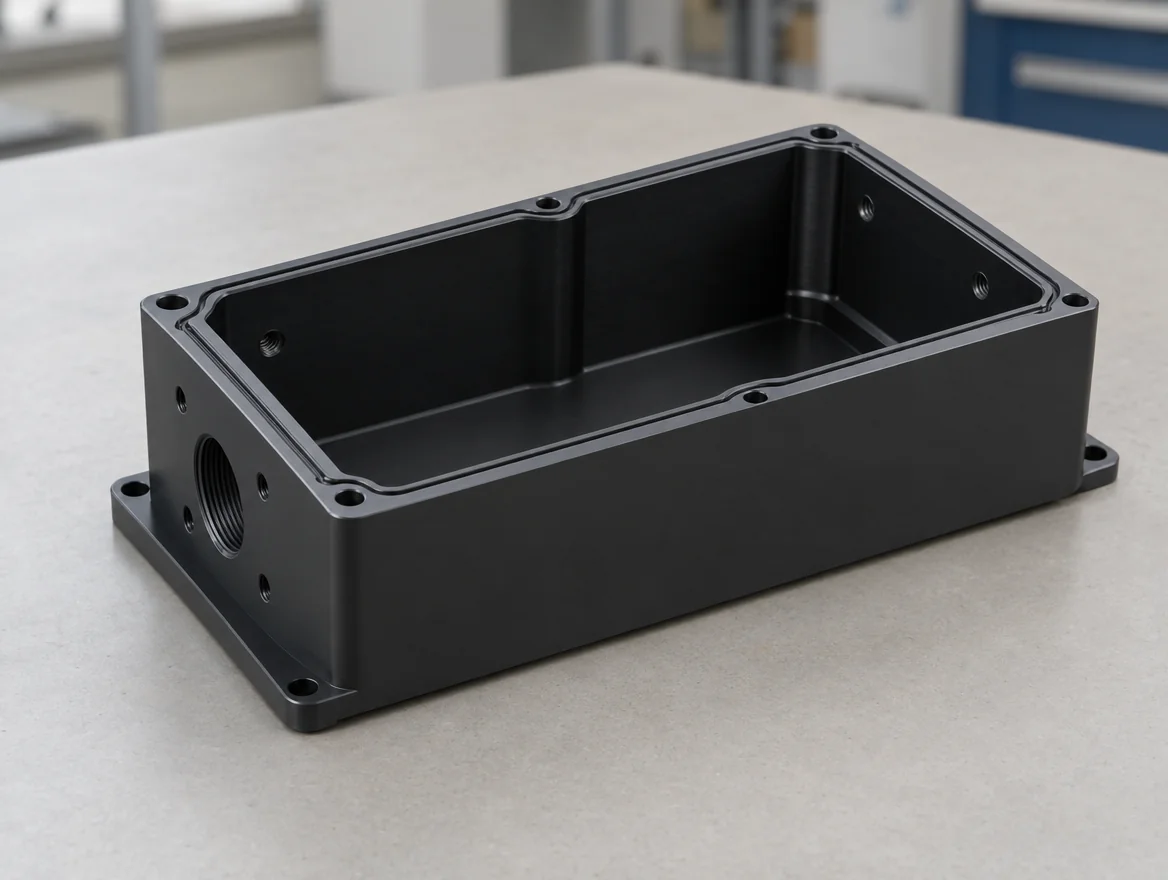
Anodised instrument enclosures
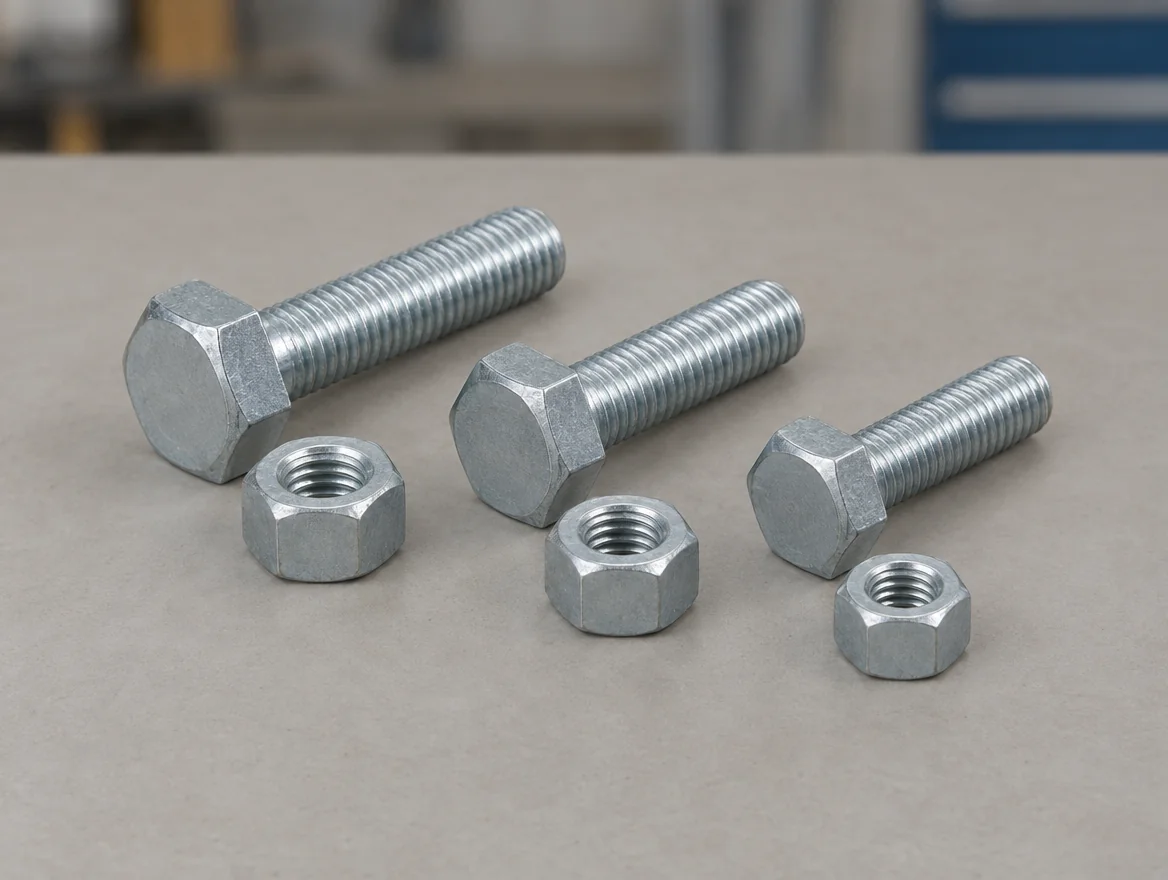
Coated enclosure fixings
What Electrical & Switchgear buyers specify
Use these topics to define the checks and records your part needs. Applicable standards, acceptance criteria and supplier qualifications are confirmed at quotation
Assembly verification
Component requirements should support verification of the finished switchgear assembly, including temperature rise at current-carrying joints.
IEC 61439Enclosure protection
Ingress and impact ratings set the gasket, fastening and material design.
IEC 60529 IP · IEC 62262 IKPlating of contacts
Plating type and thickness specified for current-carrying joints.
Tin · silver platingPositional tolerances
Hole patterns verified against assembly datums.
ISO 1101