Castings
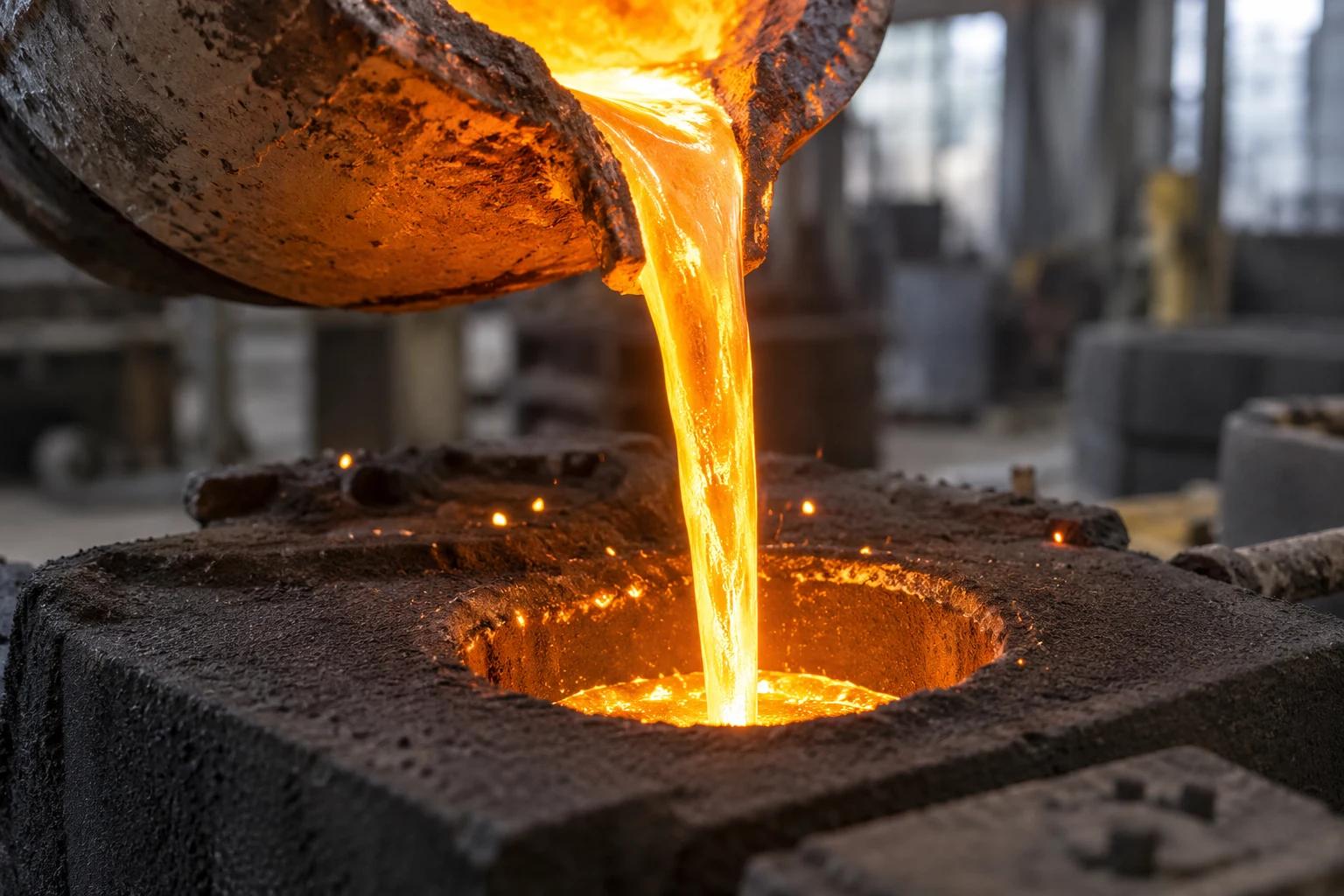
Versatile casting capabilities for complex parts, matched to your material and production requirements.
Compare manufacturing processes for your part, from casting and forging to machining and finishing. Each page explains where the process fits and what to include in your enquiry
Versatile casting capabilities for complex parts, matched to your material and production requirements.
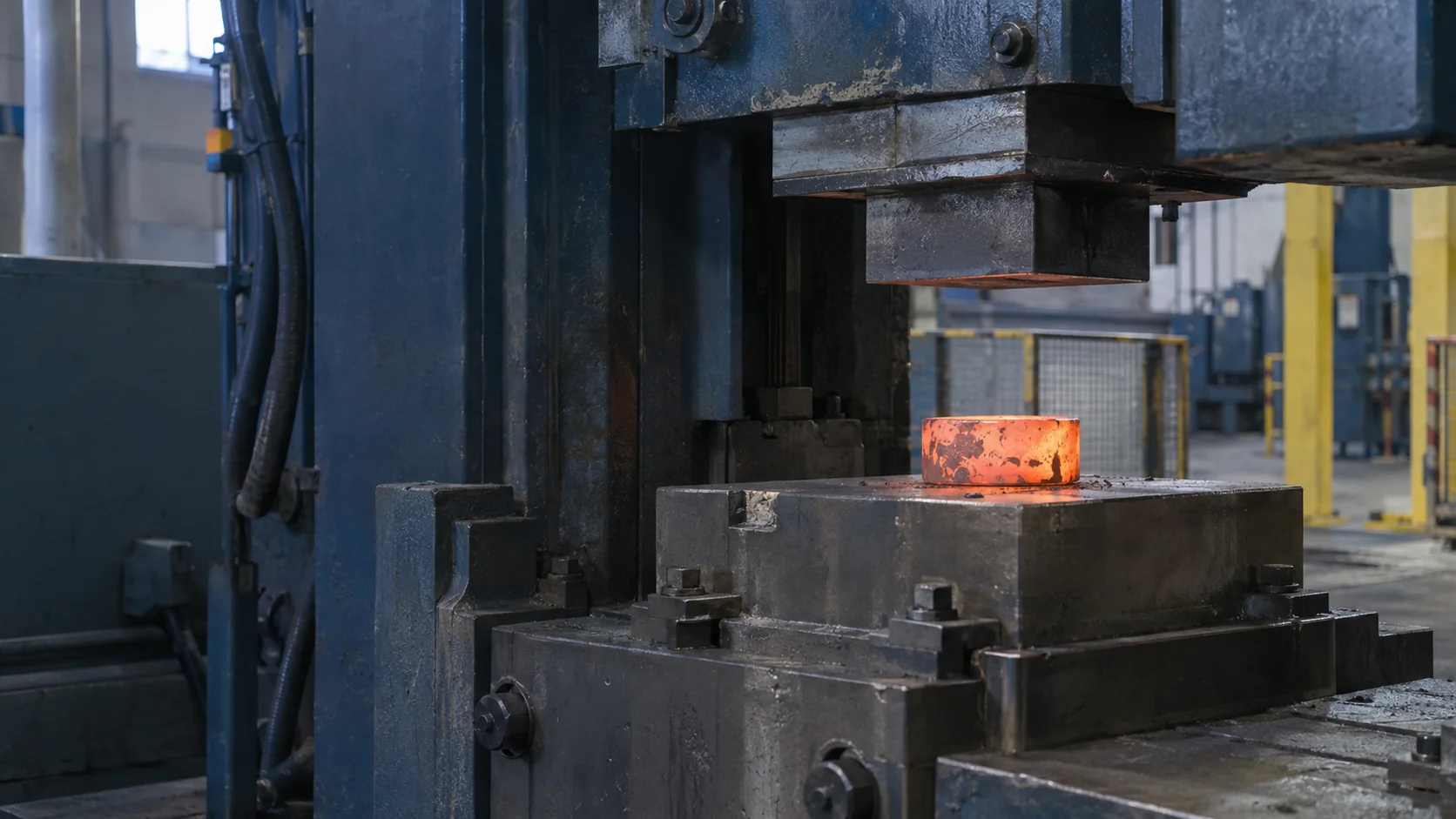
Strength and durability for components that carry heavy loads and face demanding service conditions.

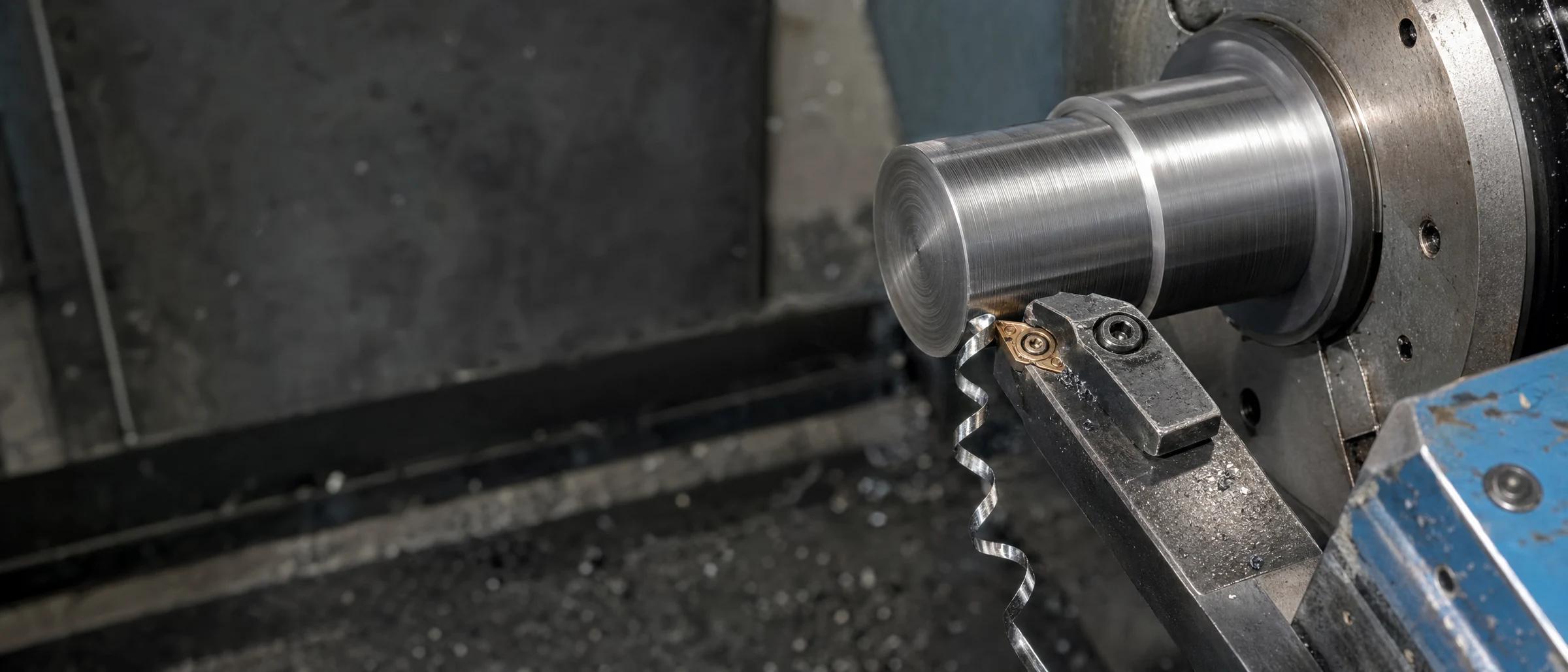
Precision parts that fit and function as intended, with critical dimensions and surface finishes controlled.
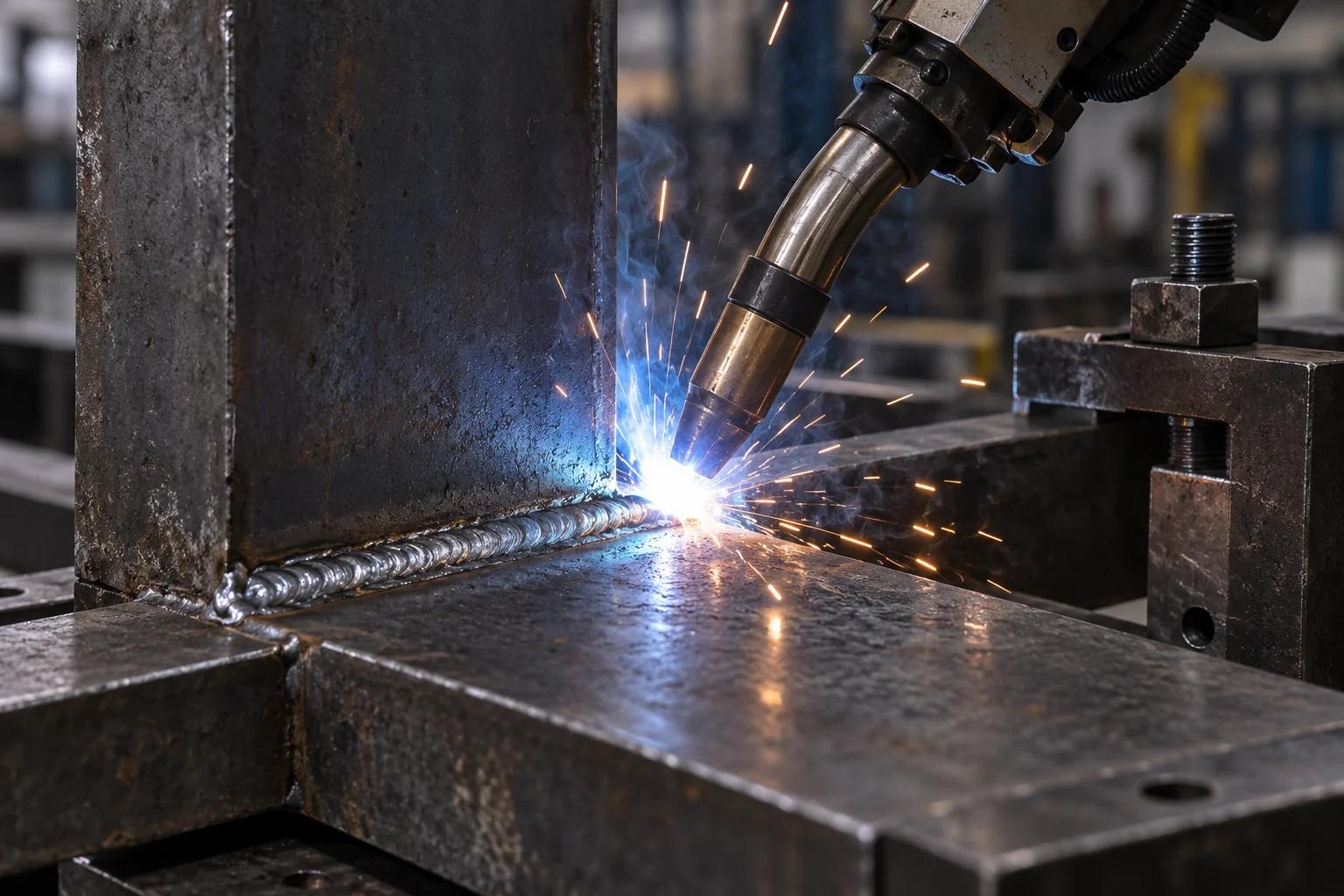
Fabricated components and assemblies built to your drawings, ready for integration into your equipment.
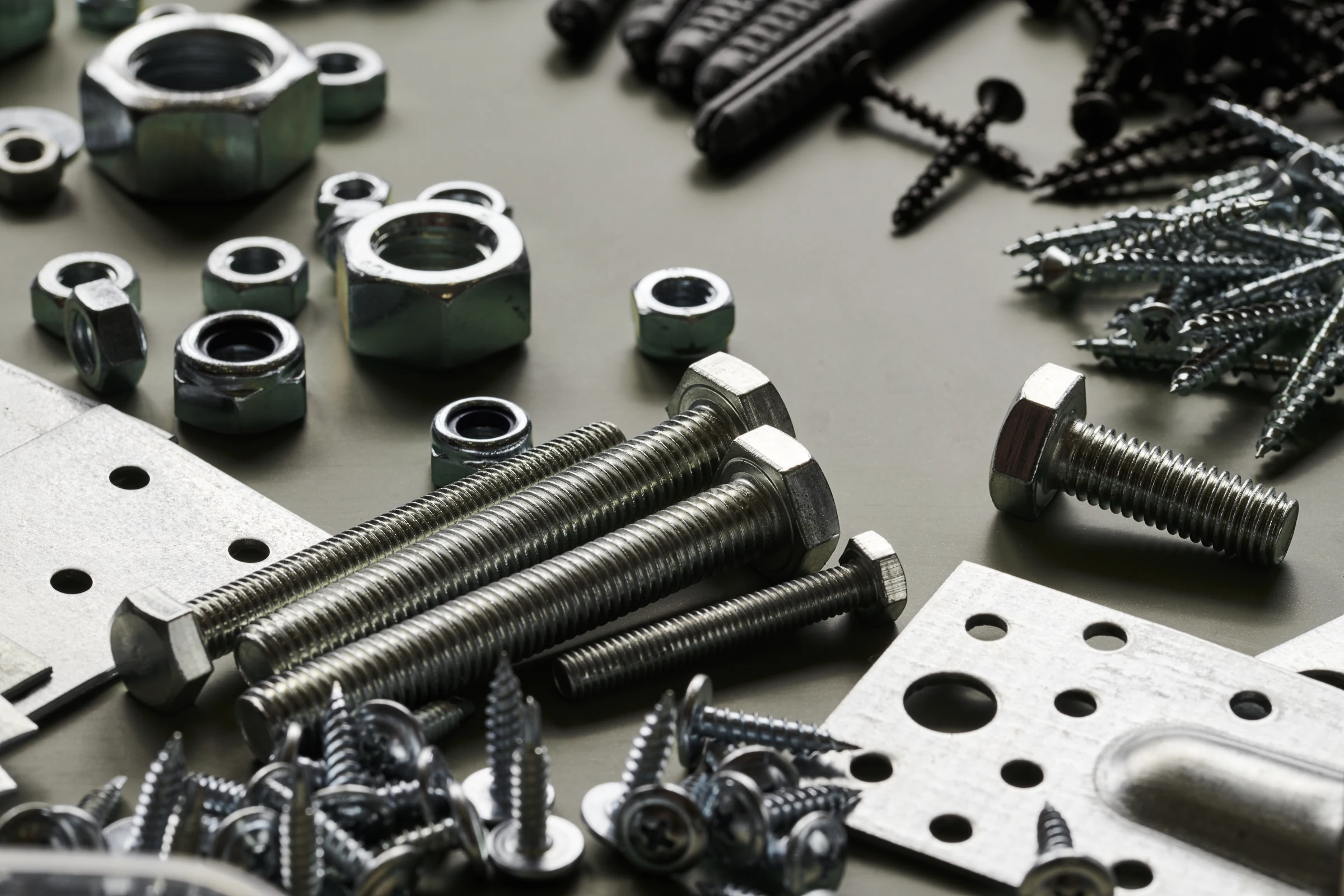
Standard and custom fasteners matched to the strength, fit and service requirements of your assembly.
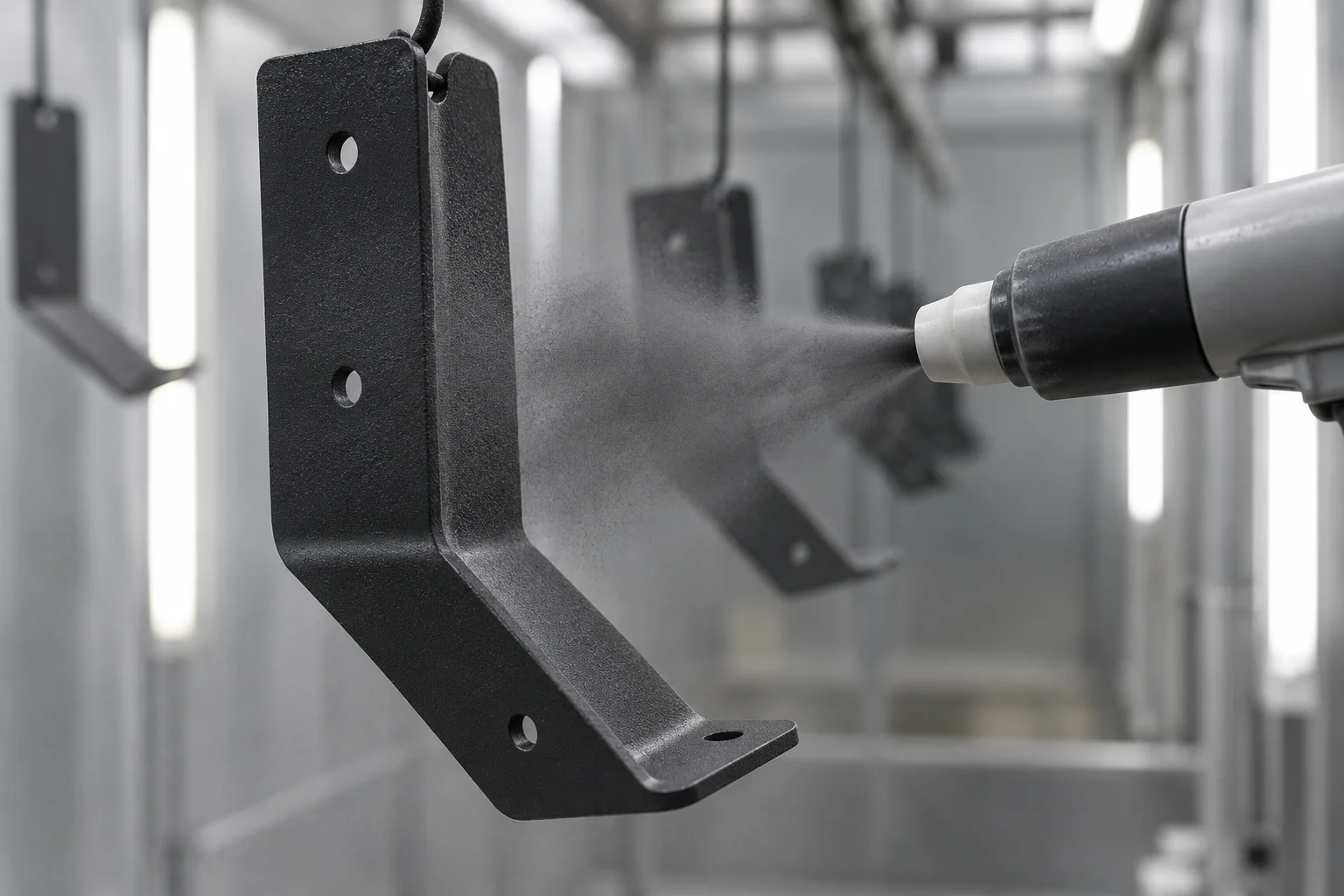
Surface finishes that protect your components and meet the demands of their operating environment.
Start with the shape, material and function of your part. A finished component may combine several processes, for example a casting with machined bores and a protective coating
| Process | Typical fit | Common materials |
|---|---|---|
| Sand casting | Large, cored and heavy parts | Grey and ductile iron |
| Investment casting | Complex, near-net shapes | Stainless, alloy steel, nickel alloys |
| Die casting | High-volume aluminium and zinc | Aluminium and zinc |
| Shell Molding | Small parts with finer surfaces | Grey and ductile iron |
| Forging | Load-bearing, fatigue-critical parts | Carbon, alloy and stainless steel |
| Machining | Fits, bores and sealing faces | Steel, stainless, aluminium, brass |
| Fabrication | Frames, enclosures and brackets | Structural steel, stainless, aluminium |
| Fasteners | Bolts, studs, nuts and threaded parts | Carbon, alloy and stainless steel |
| Surface Treatment | Corrosion, wear and conductivity | Steel, aluminium, zinc substrates |
The manufacturing process defines how your part is made. The inspection plan defines what is checked and which records accompany it, agreed against your drawing and order
Material certificates link chemical composition to the specified grade and heat or batch.
Test reports document tensile, hardness or impact results against the specified requirements.
Dimensional inspection reports compare measured features with your drawing tolerances.
Inspection records document surface condition and workmanship against agreed acceptance criteria.
NDT reports document the method, areas examined and findings against specified acceptance criteria.
Test reports record test conditions and leakage results against the agreed requirements.