E-mobility & New Energy
Precision components for electric drives, battery systems and charging equipment, balancing weight, thermal performance and reliable assembly
Explore componentsPlan around heat, sealing and assembly
A housing, electrical connection and support frame do different jobs. Start with the thermal, electrical and structural requirements of your component, then define its material and manufacturing process
Thermal interfaces and fit
Motor and inverter housings often carry coolant jackets and sealing grooves. Flatness and leak-tightness at mating faces drive both casting and machining choices.
Weight and material
For aluminium housings, review weight and heat-transfer needs alongside castability, strength and any leak-tightness requirements.
Repeatable, traceable production
Agree sample approval, production controls and traceability for the programme, then carry the approved requirements into repeat orders.
Explore components by process
Explore representative components for your industry, grouped by manufacturing process. We can review other parts against your drawing and requirements
Investment casting
Process overview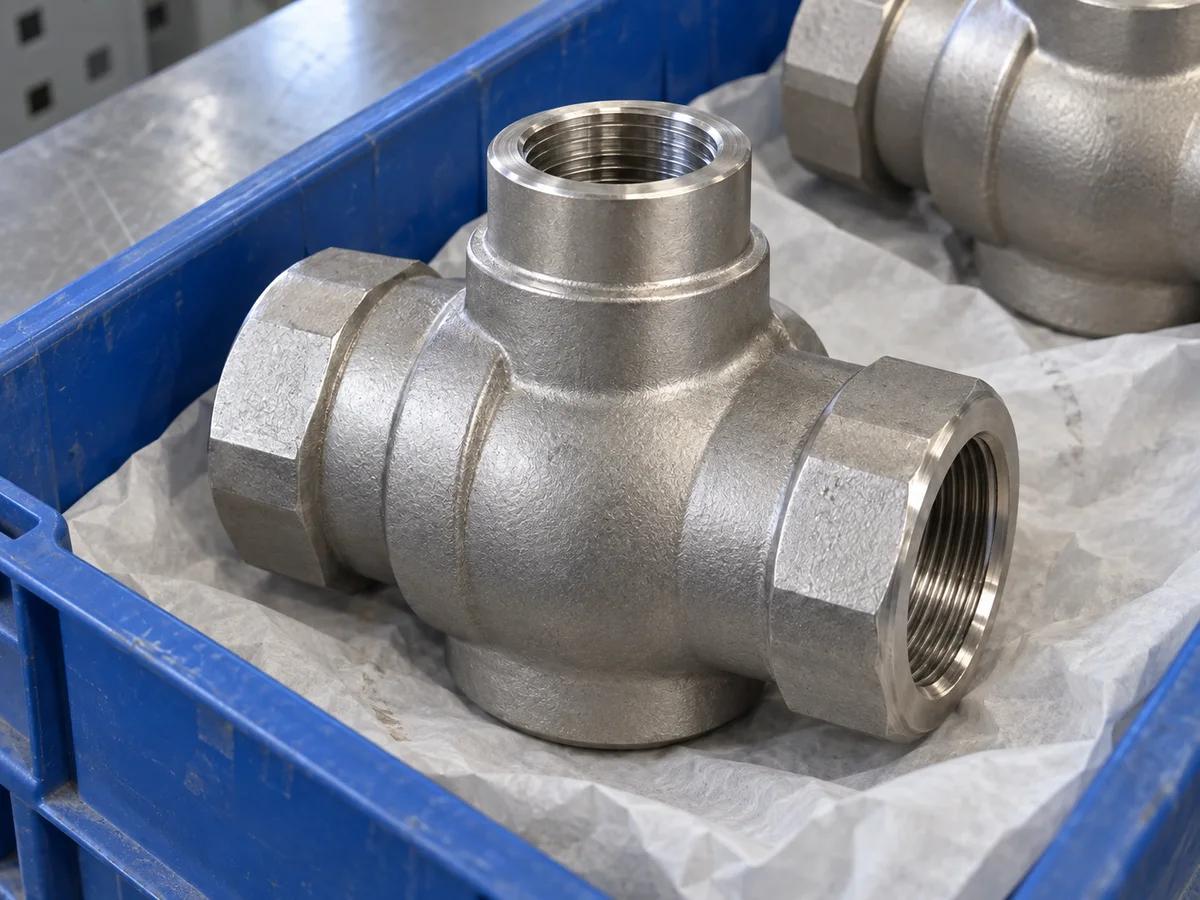
Hydrogen-system valve bodies
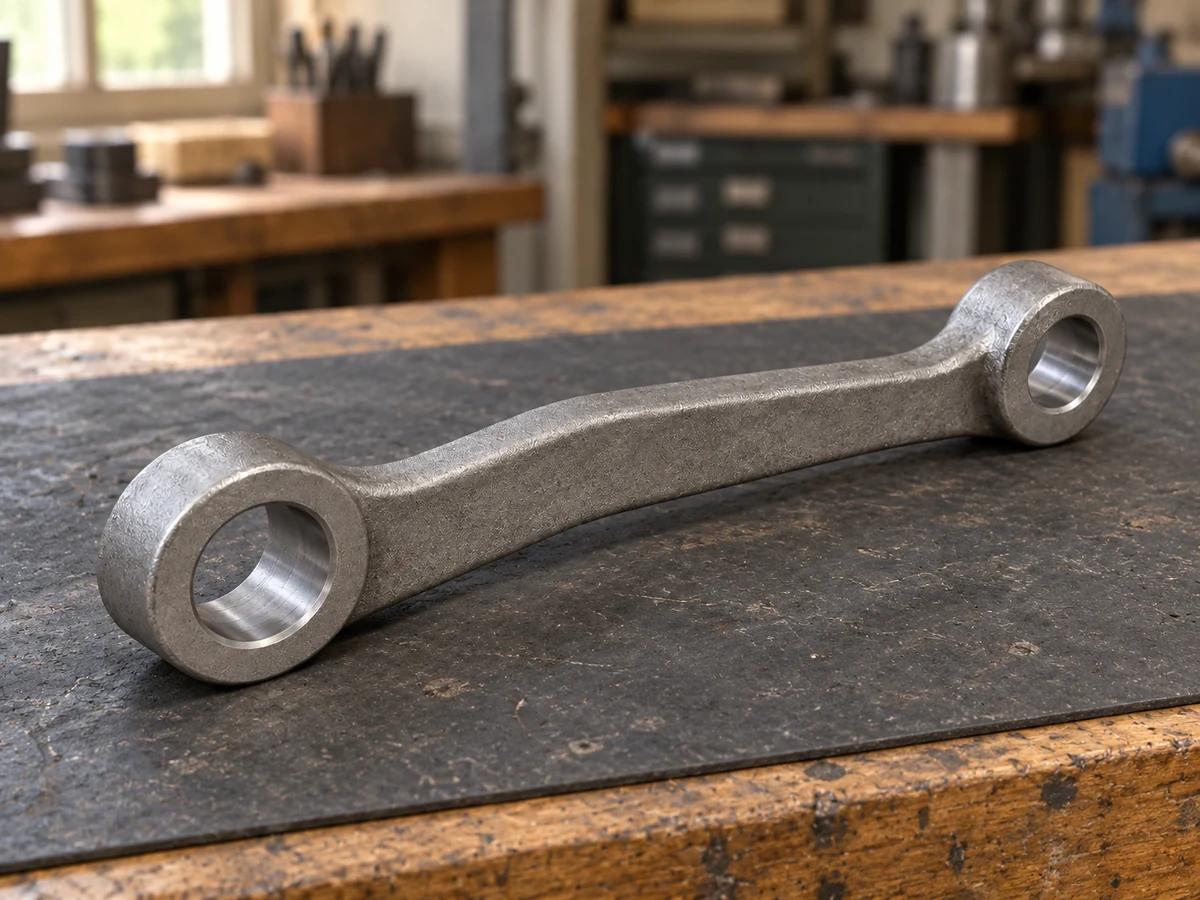
Parking-mechanism operating levers
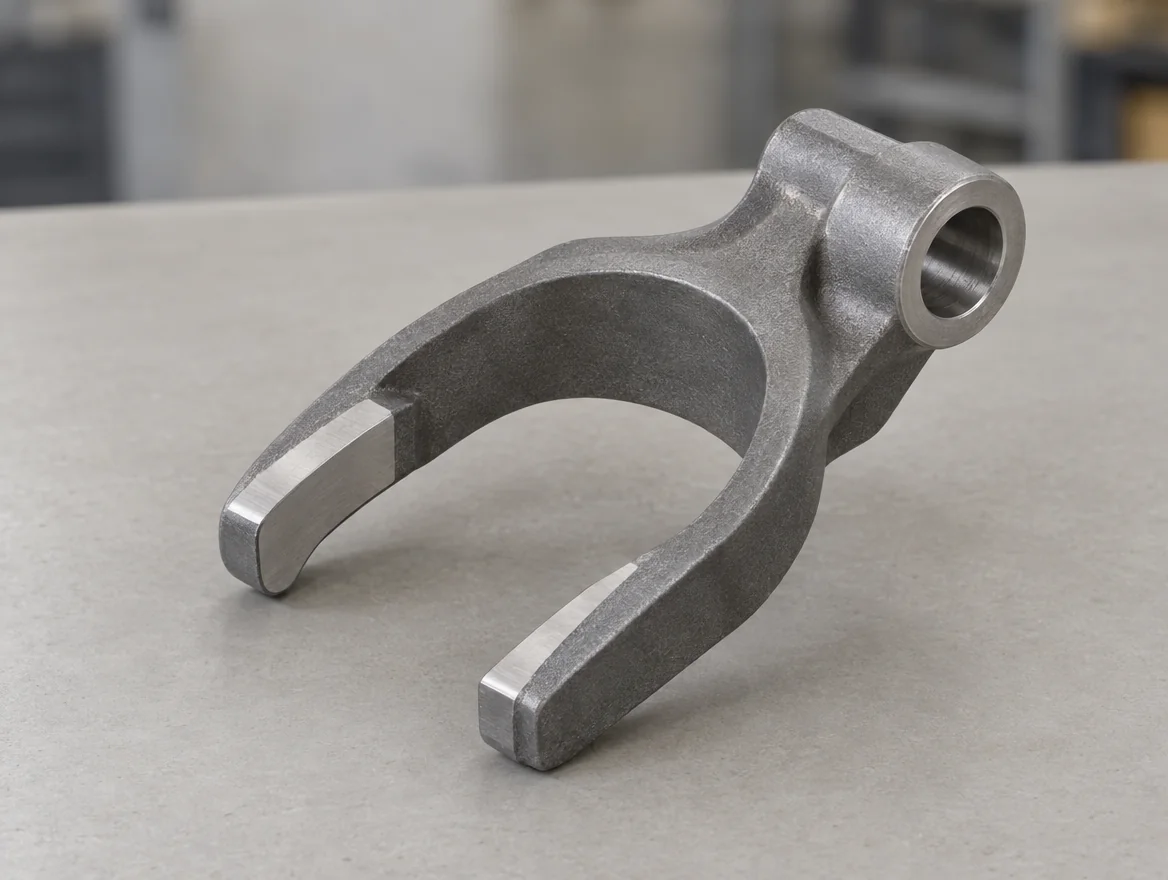
Powertrain selector forks
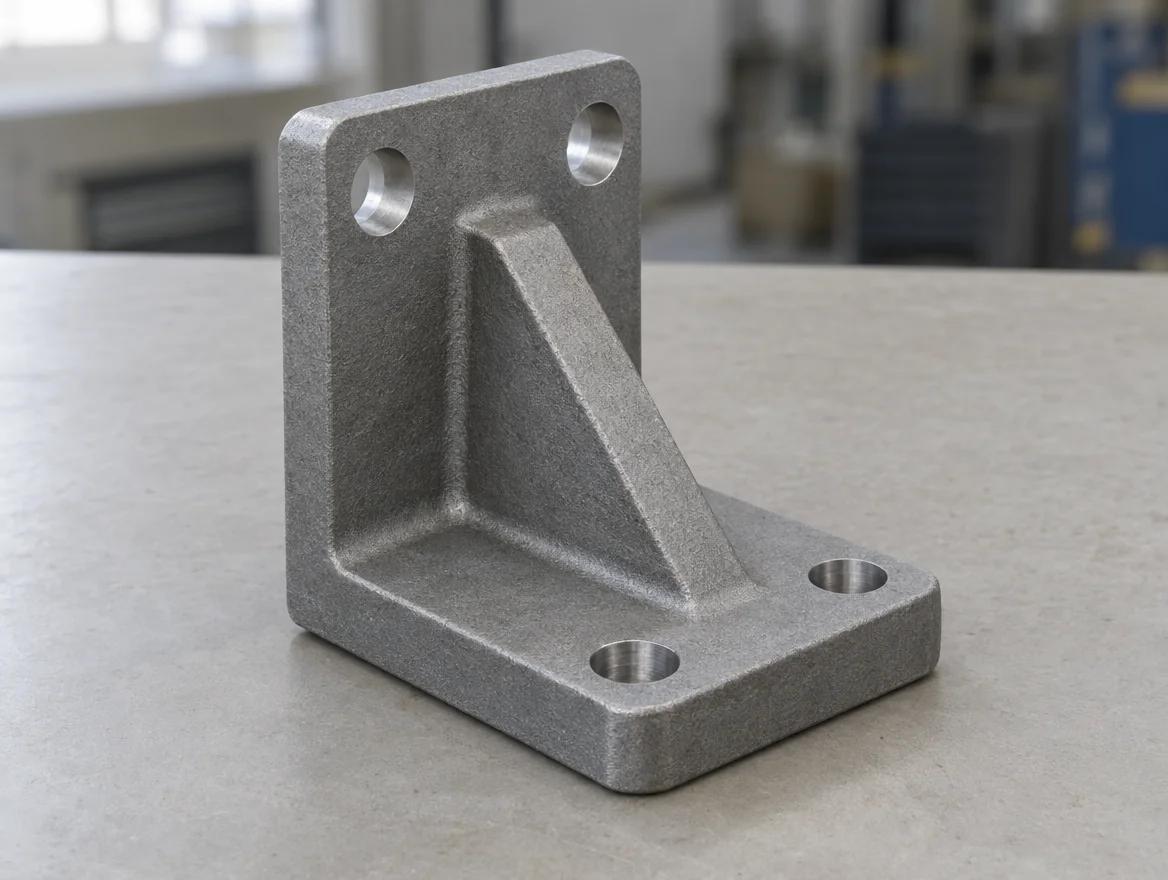
Solar tracker pivot brackets
Die casting
Process overview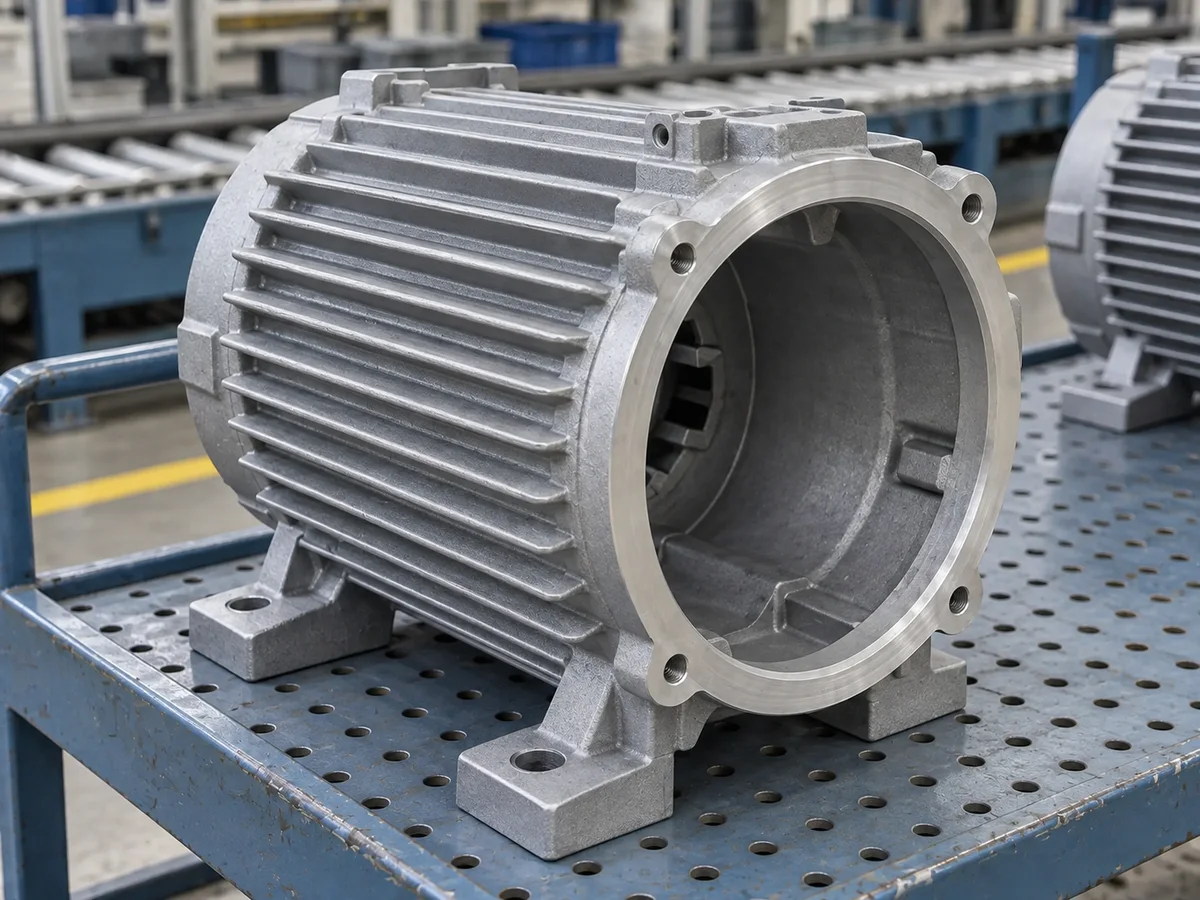
Electric motor housings
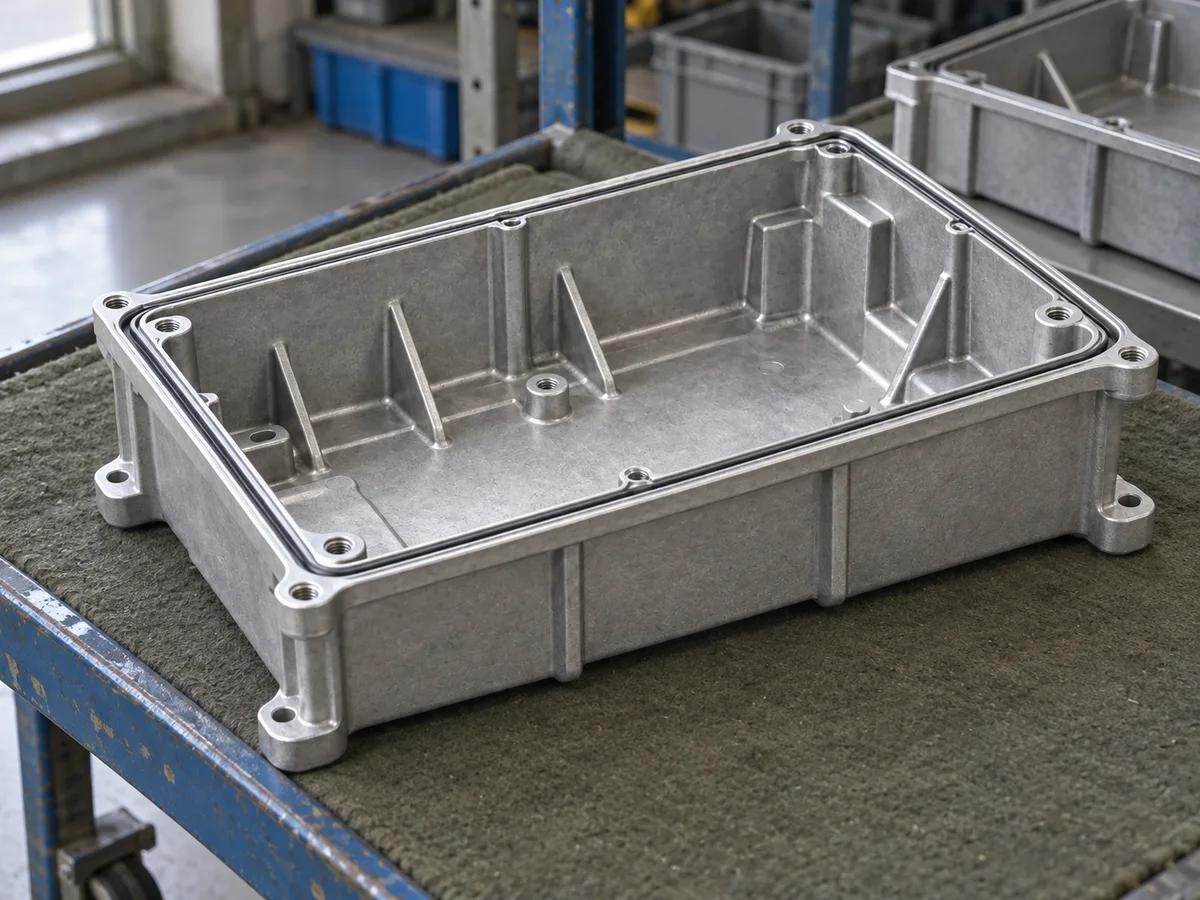
Inverter housings
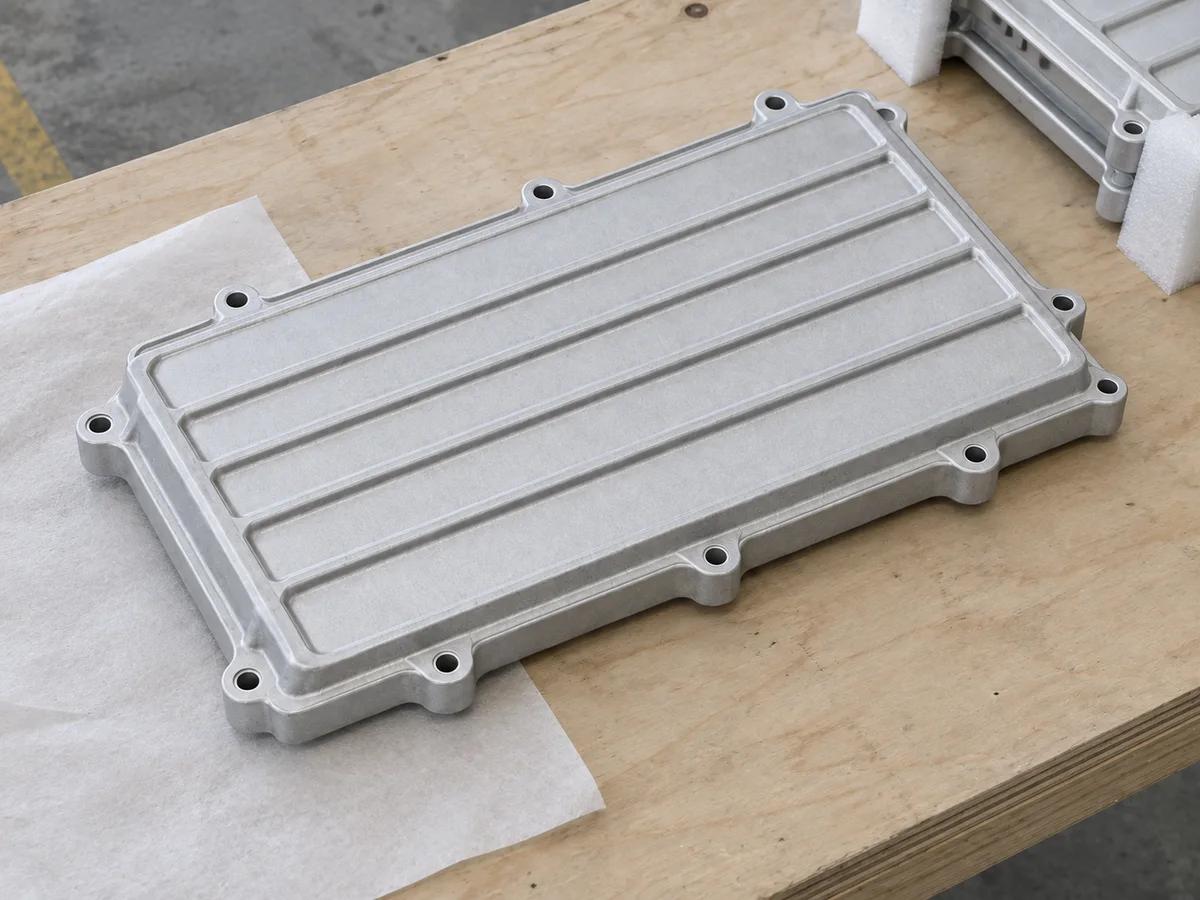
Battery enclosure covers
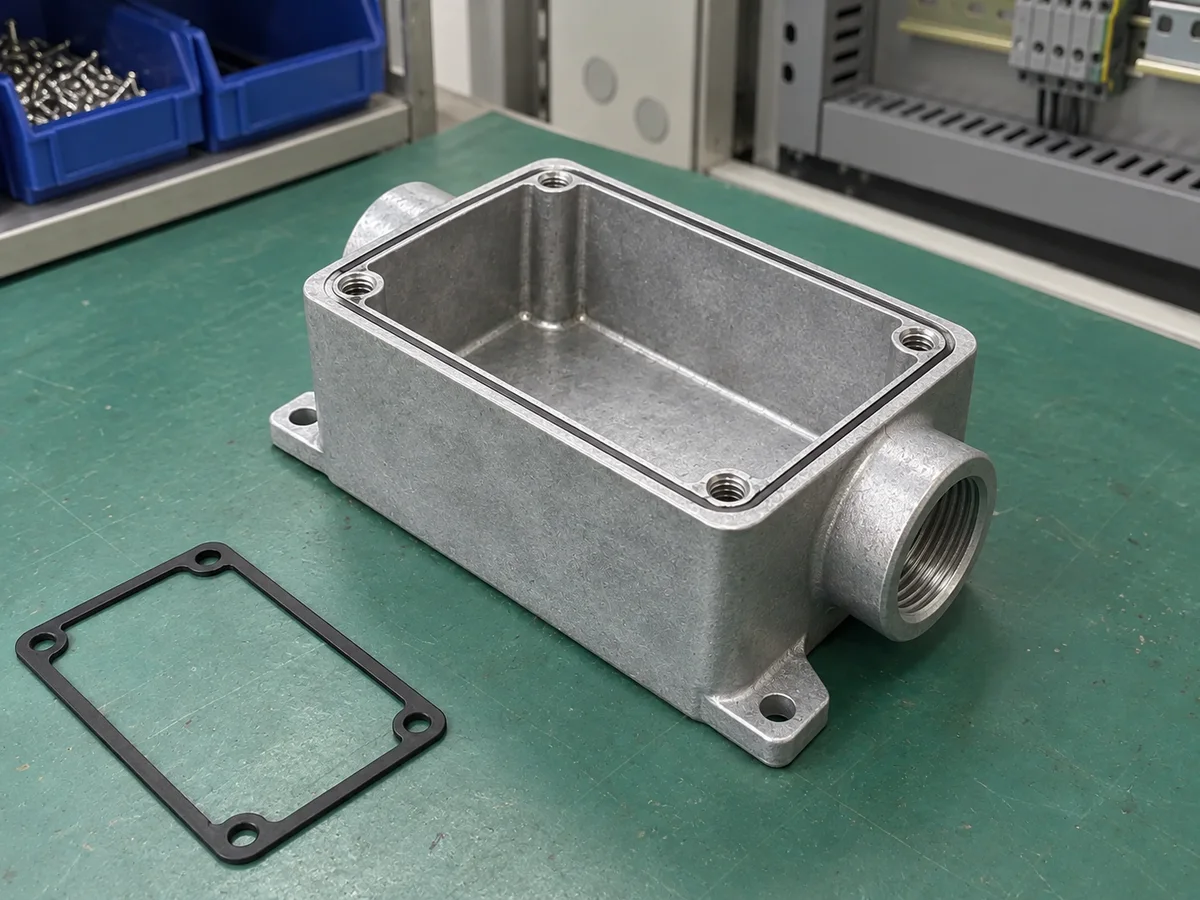
Charging-system junction enclosures
Fabrication
Process overview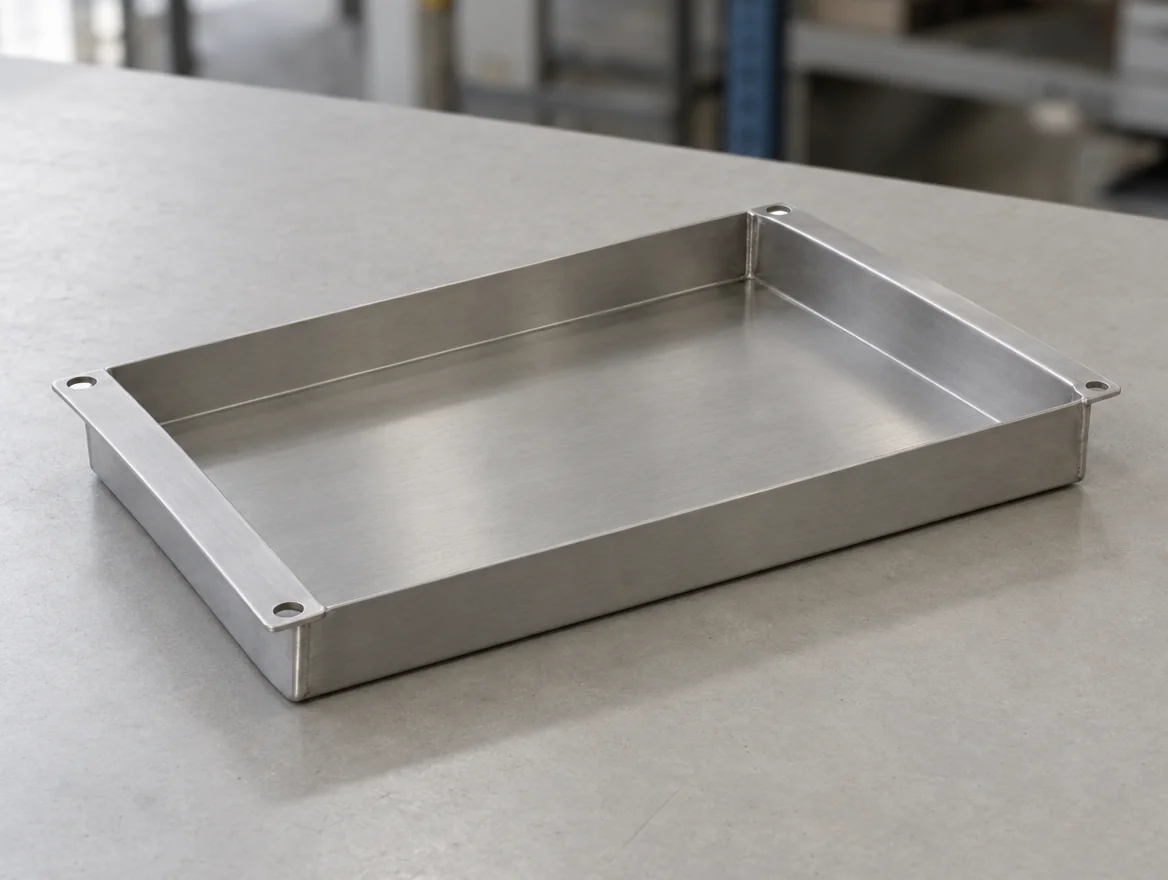
Battery support trays
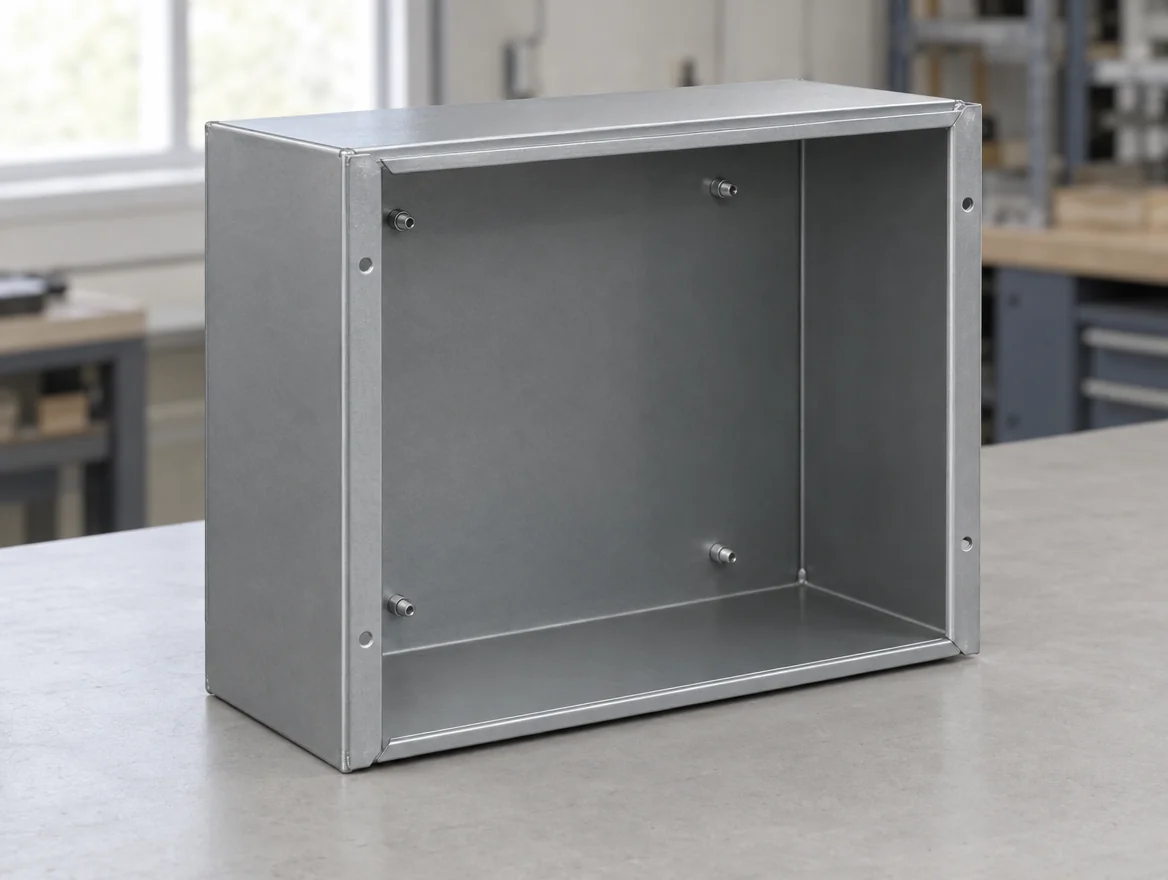
Charging-equipment cabinets
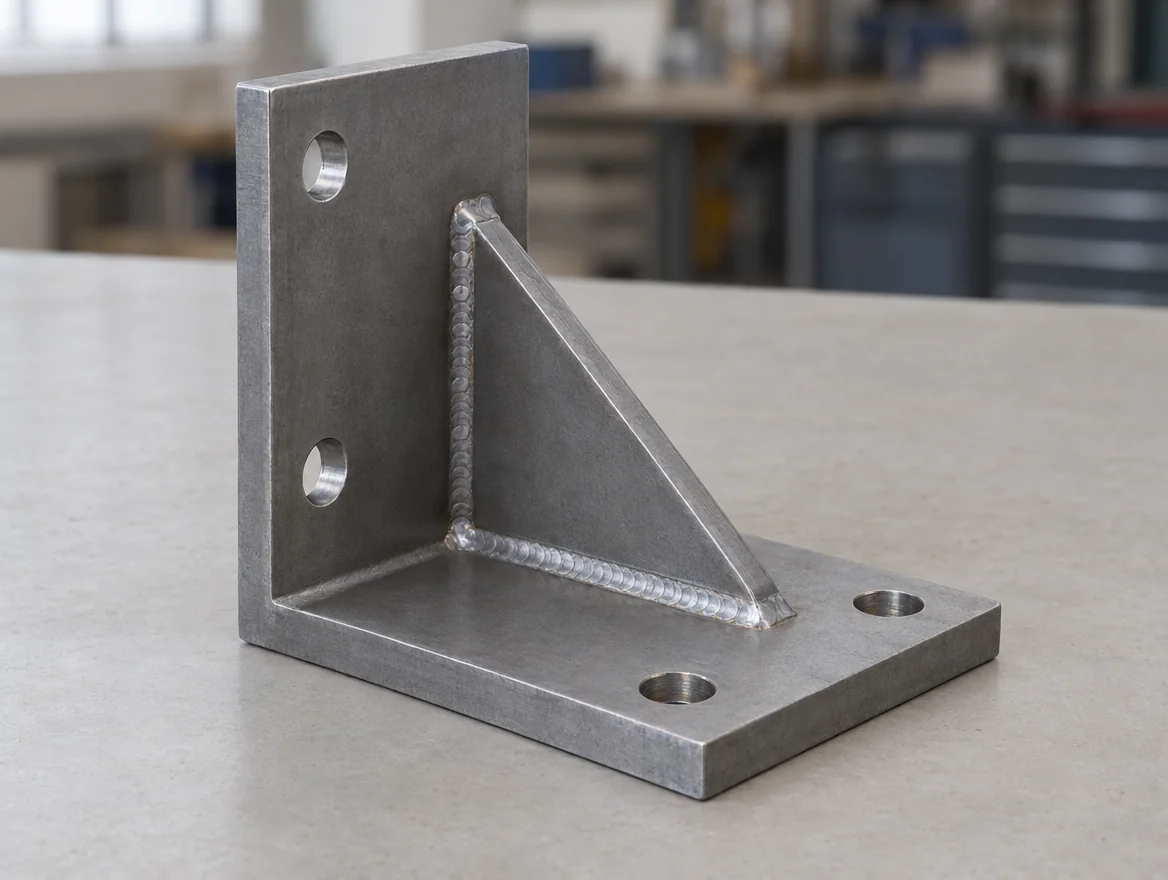
Power-unit mounting brackets
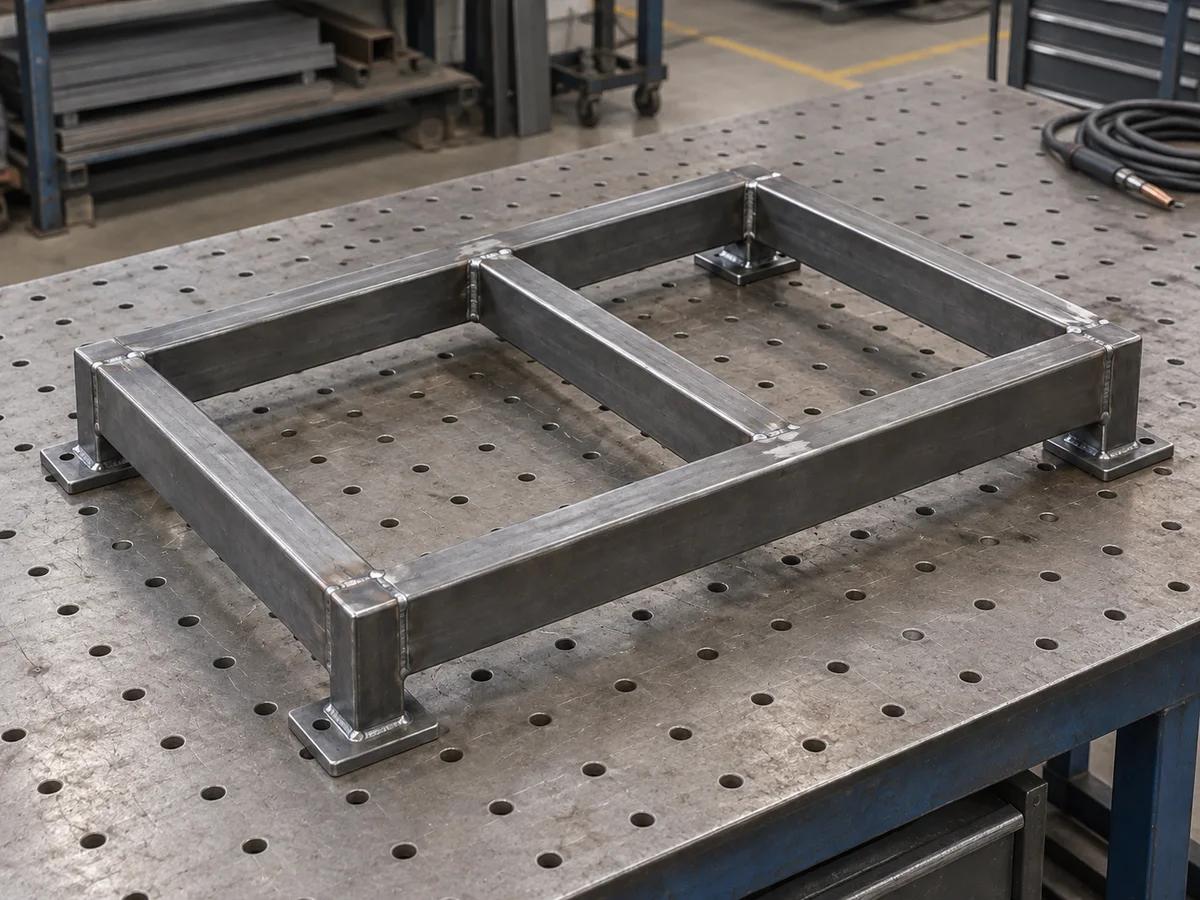
Energy-storage equipment frames
Fasteners
Process overview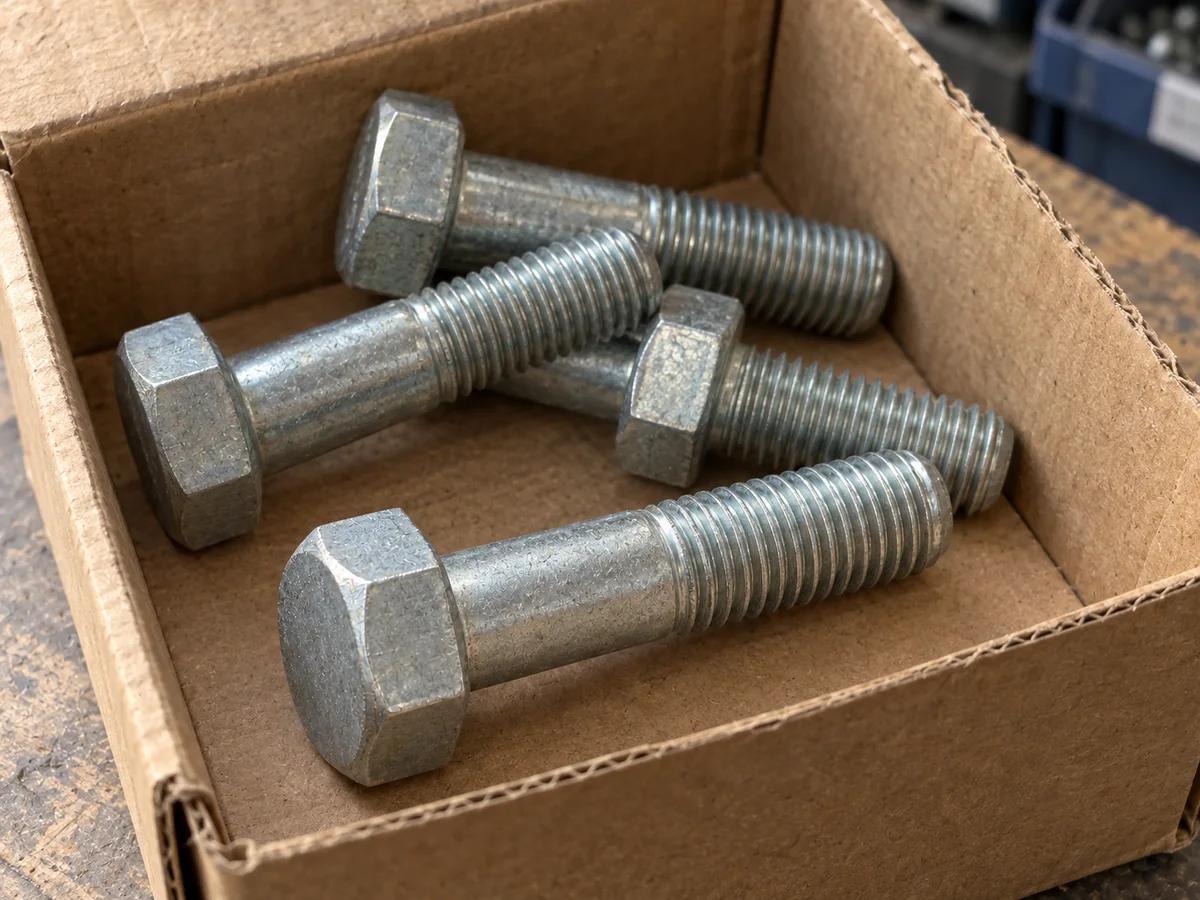
Battery-frame bolts
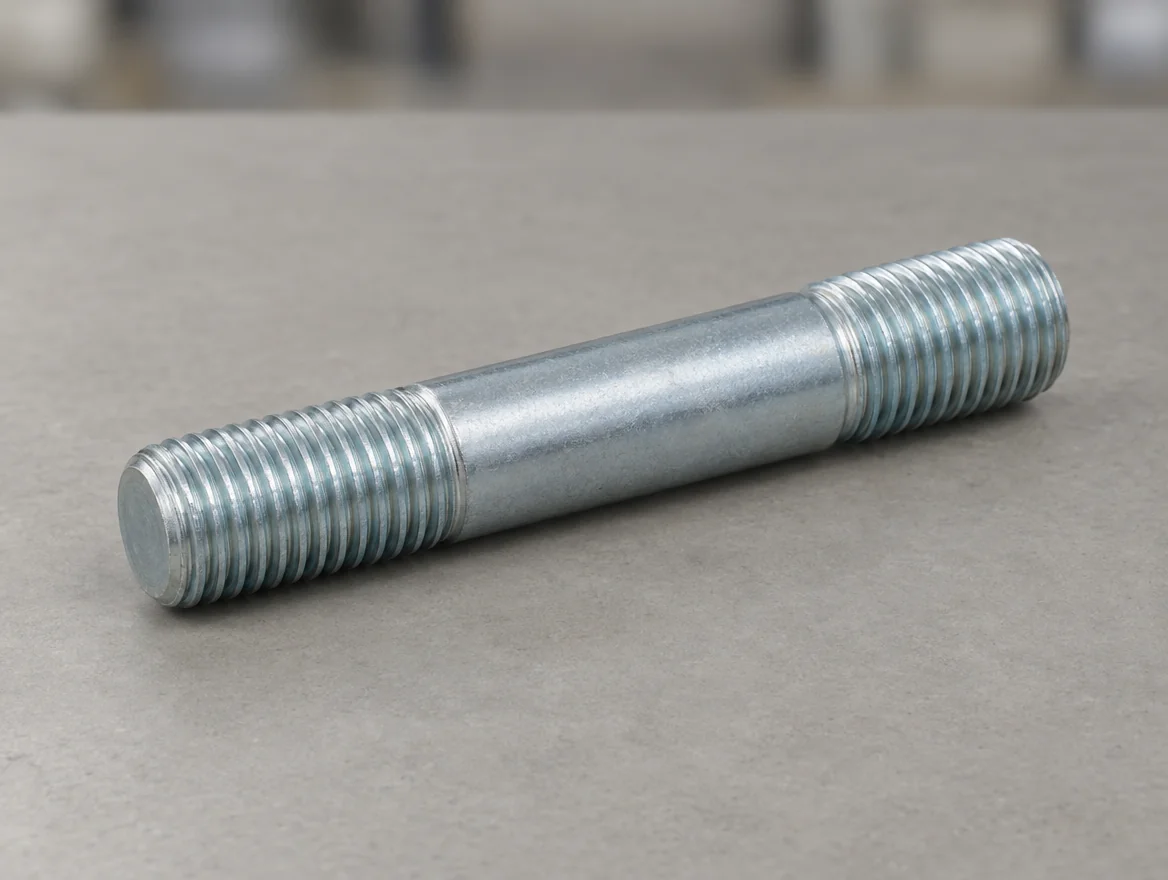
Equipment mounting studs
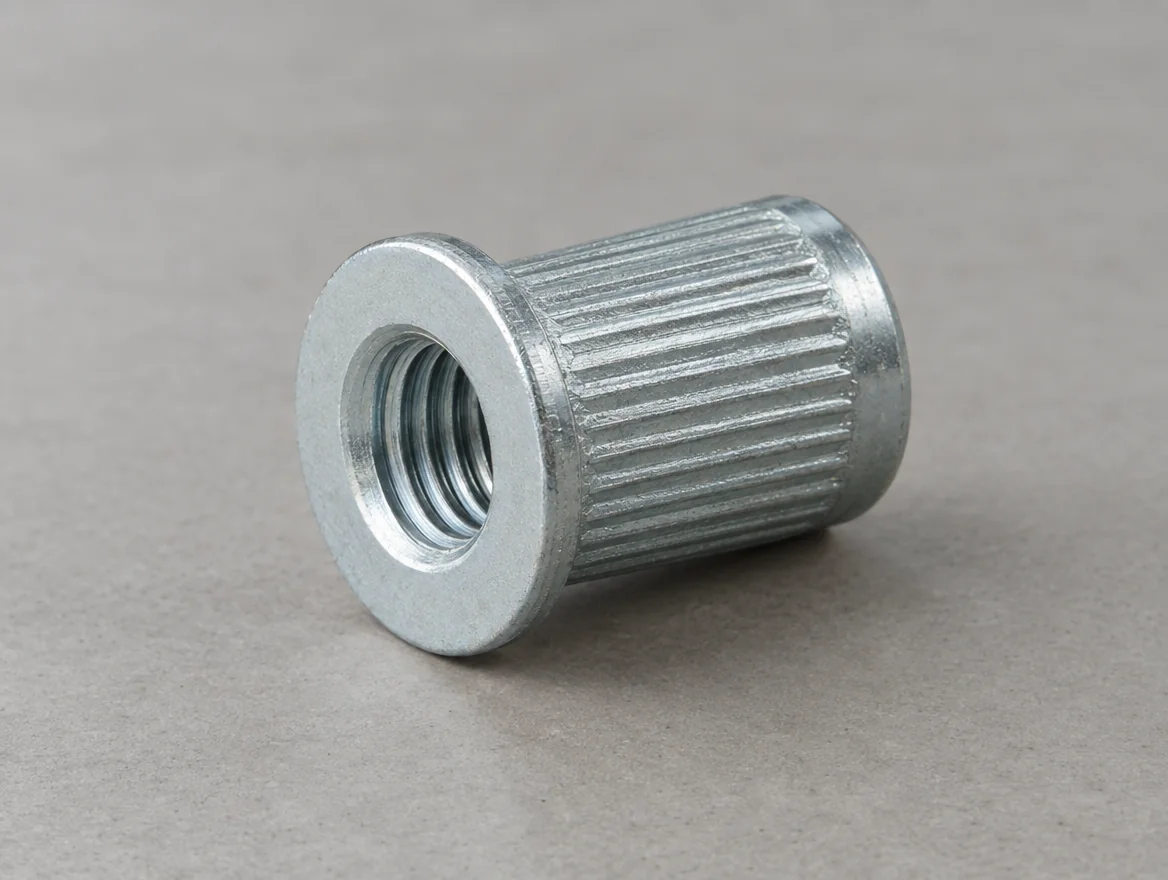
Charging-cabinet rivet nuts
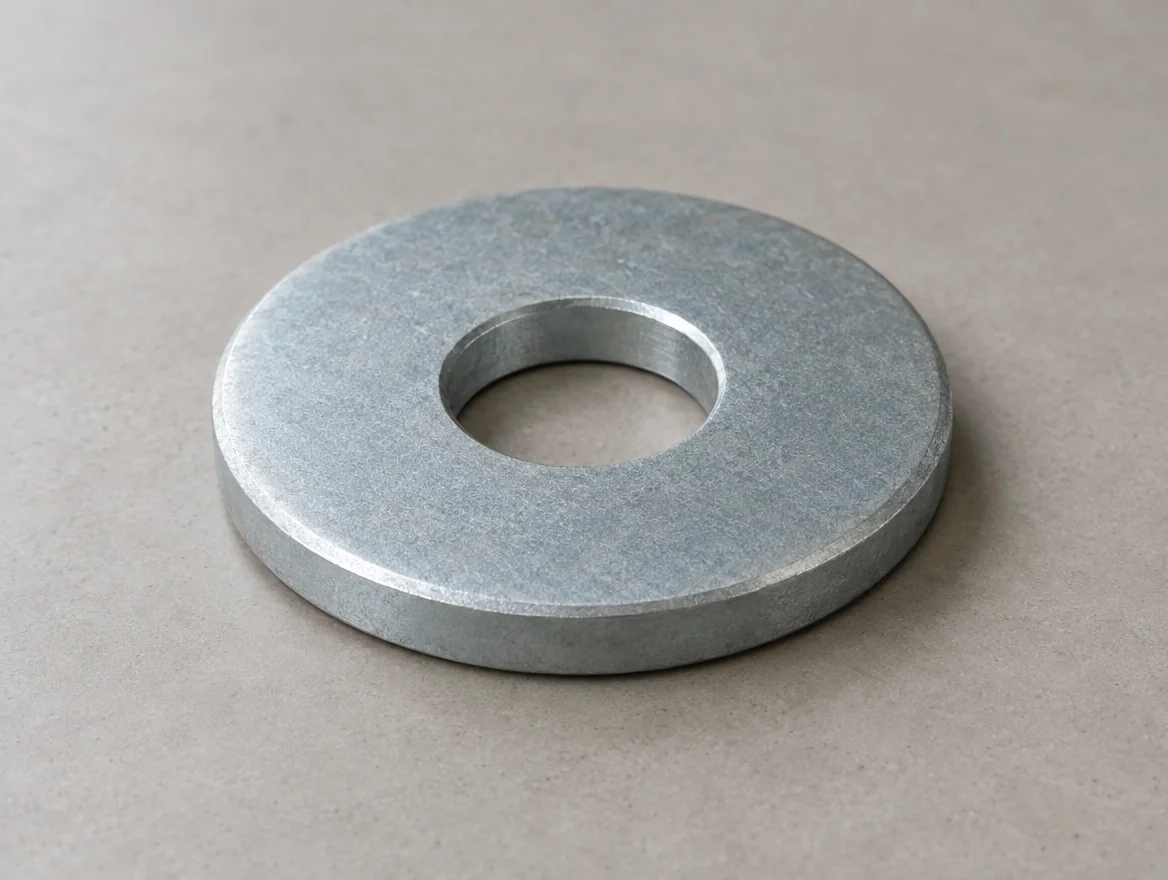
Busbar joint washers
Surface Treatment
Process overview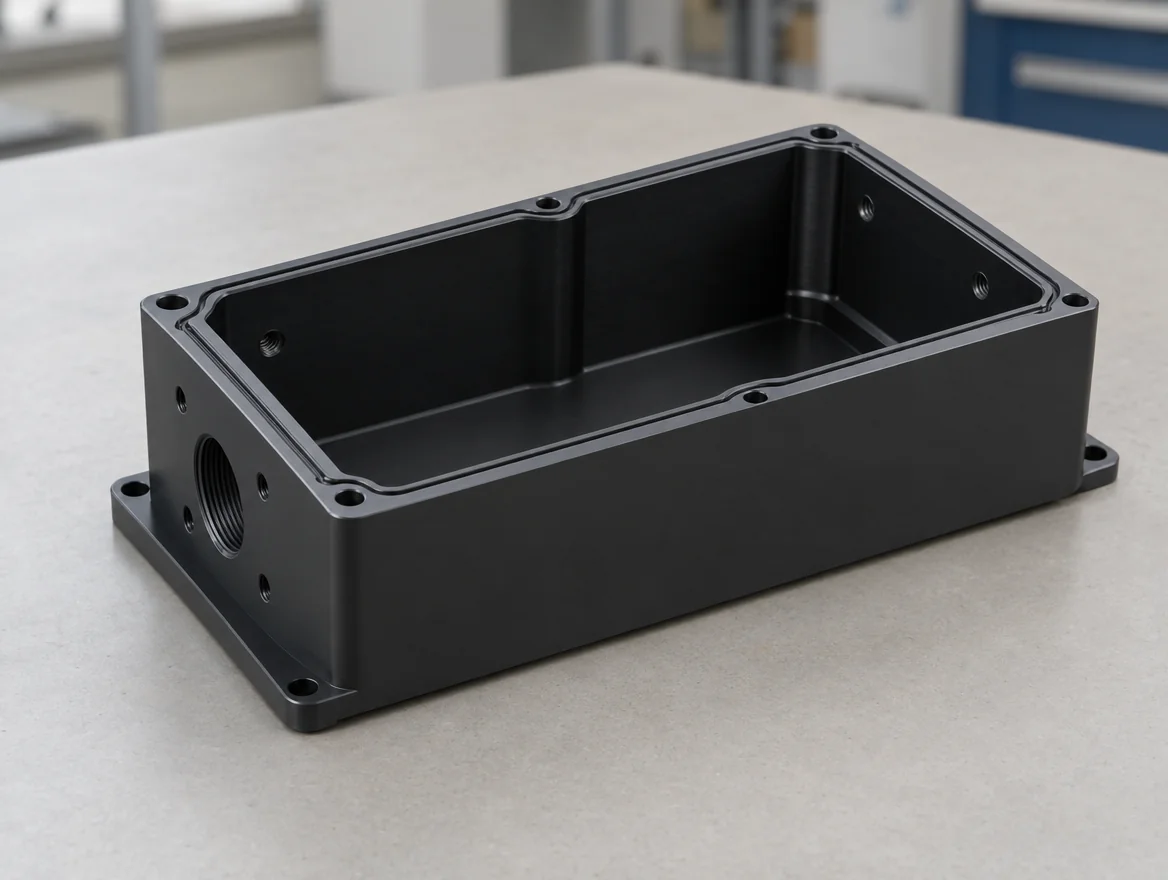
Anodised electronics housings
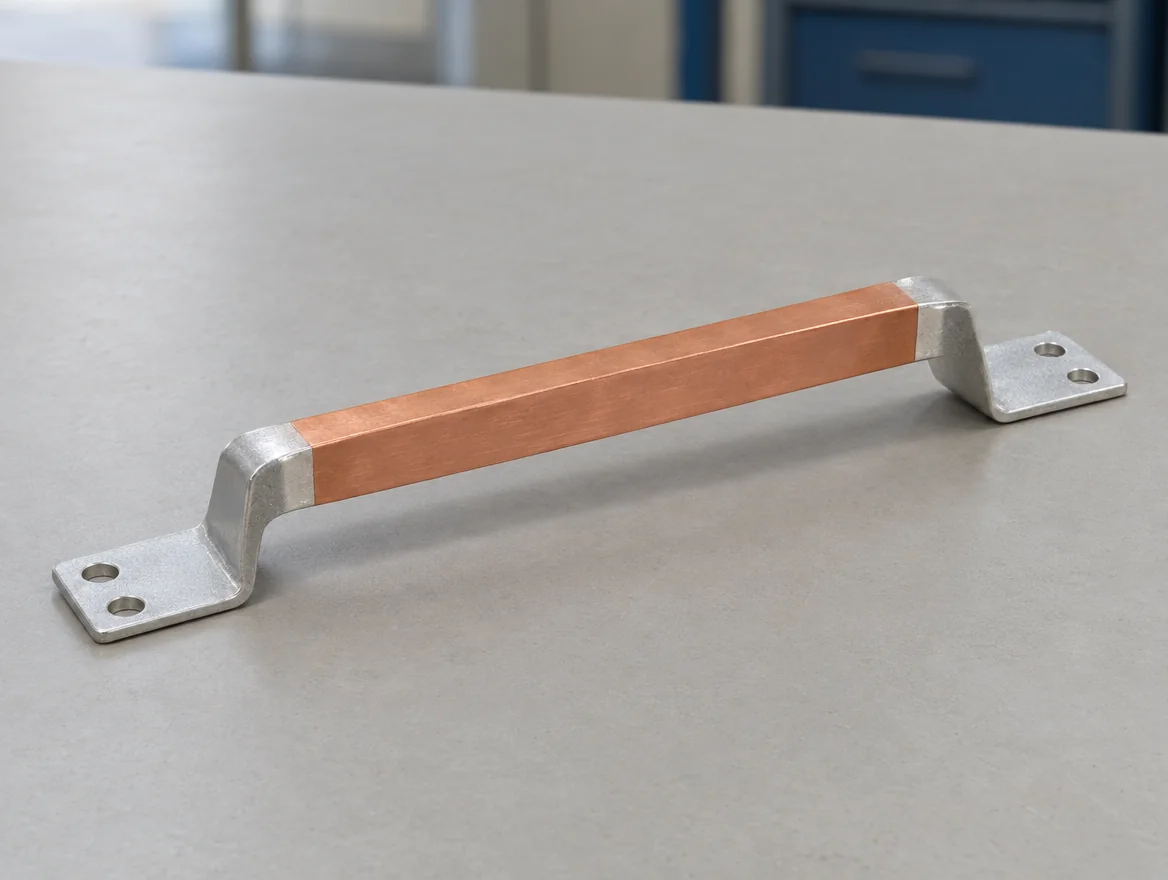
Plated busbar connections
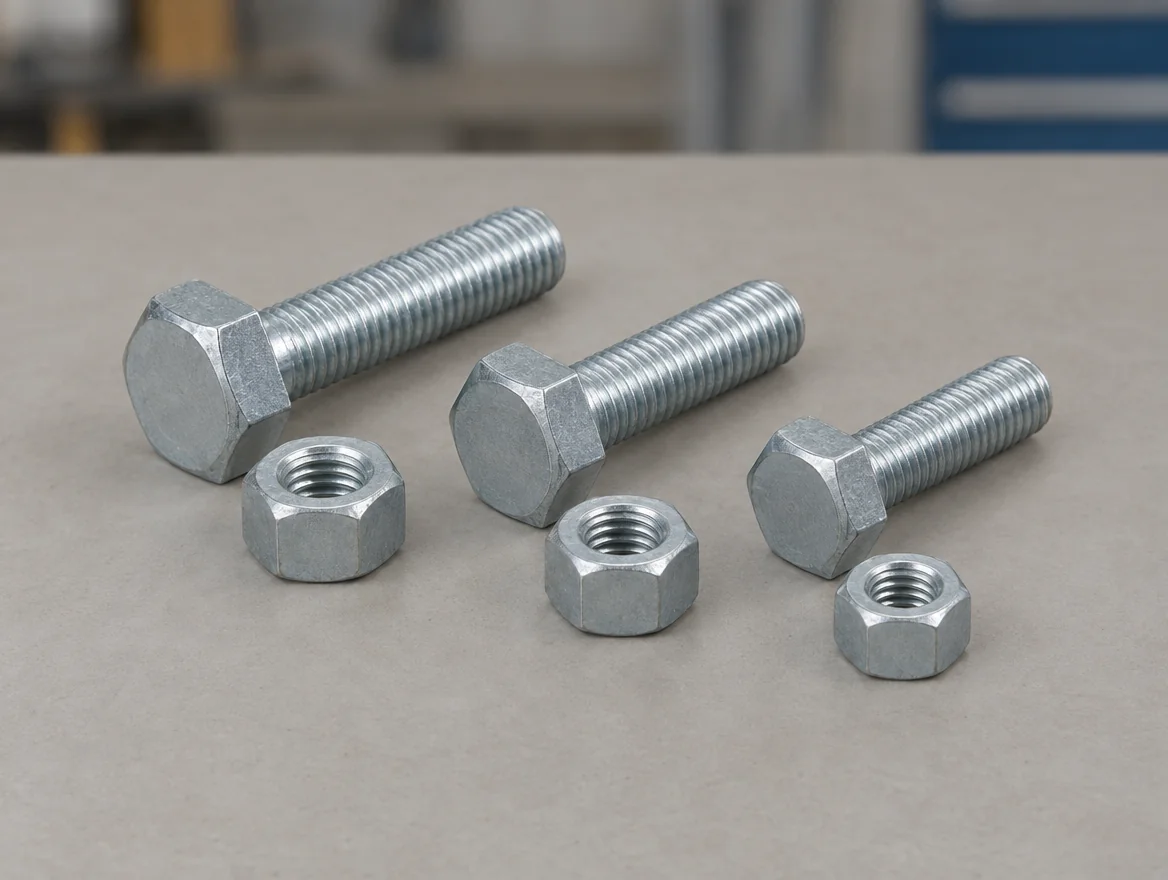
Coated assembly fasteners
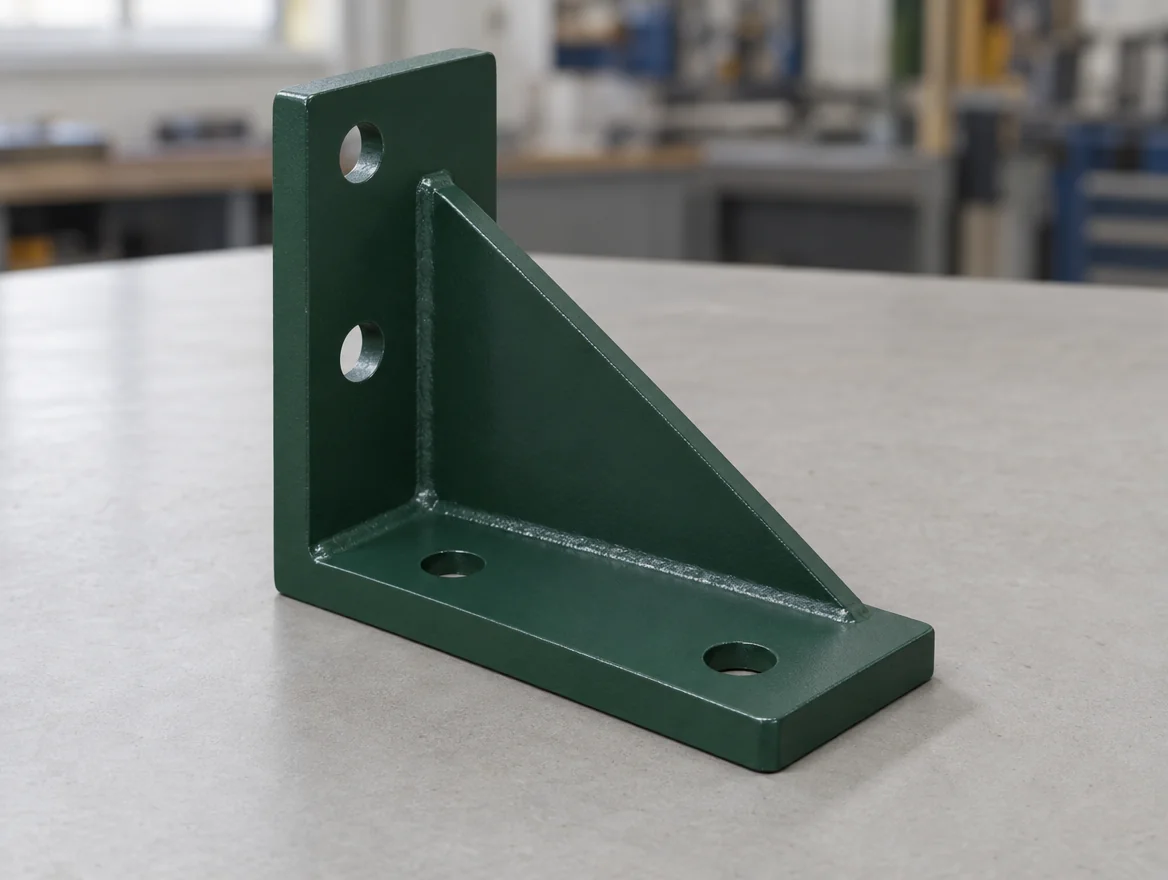
Powder-coated equipment brackets
What E-mobility & New Energy buyers specify
Use these topics to define the checks and records your part needs. Applicable standards, acceptance criteria and supplier qualifications are confirmed at quotation
Leak testing
Coolant jackets and sealed housings tested at the pressure and leak rate on the drawing.
Pressure decay · tracer gasPorosity control
Identify critical casting zones and agree porosity limits and inspection methods for each.
X-ray · CT · NADCA zonesComponent cleanliness
Residual particle limits for parts in electric drive and cooling circuits.
ISO 16232Launch documentation
Agree the production approval submission, process risk review and control plan required for launch.
AIAG APQP · PPAP