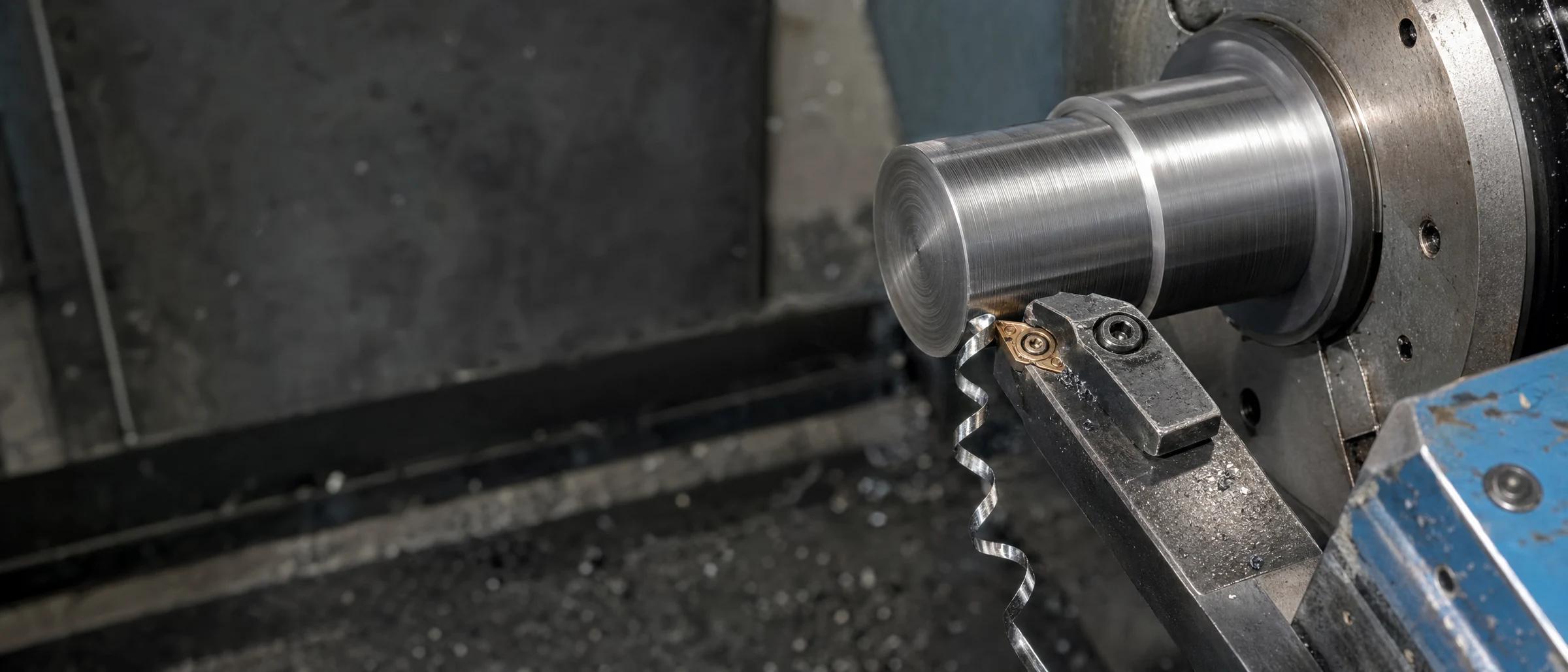
Plating and coatings
Choose the coating for the joint conditions, accounting for thread fit and any treatment restrictions on the grade.
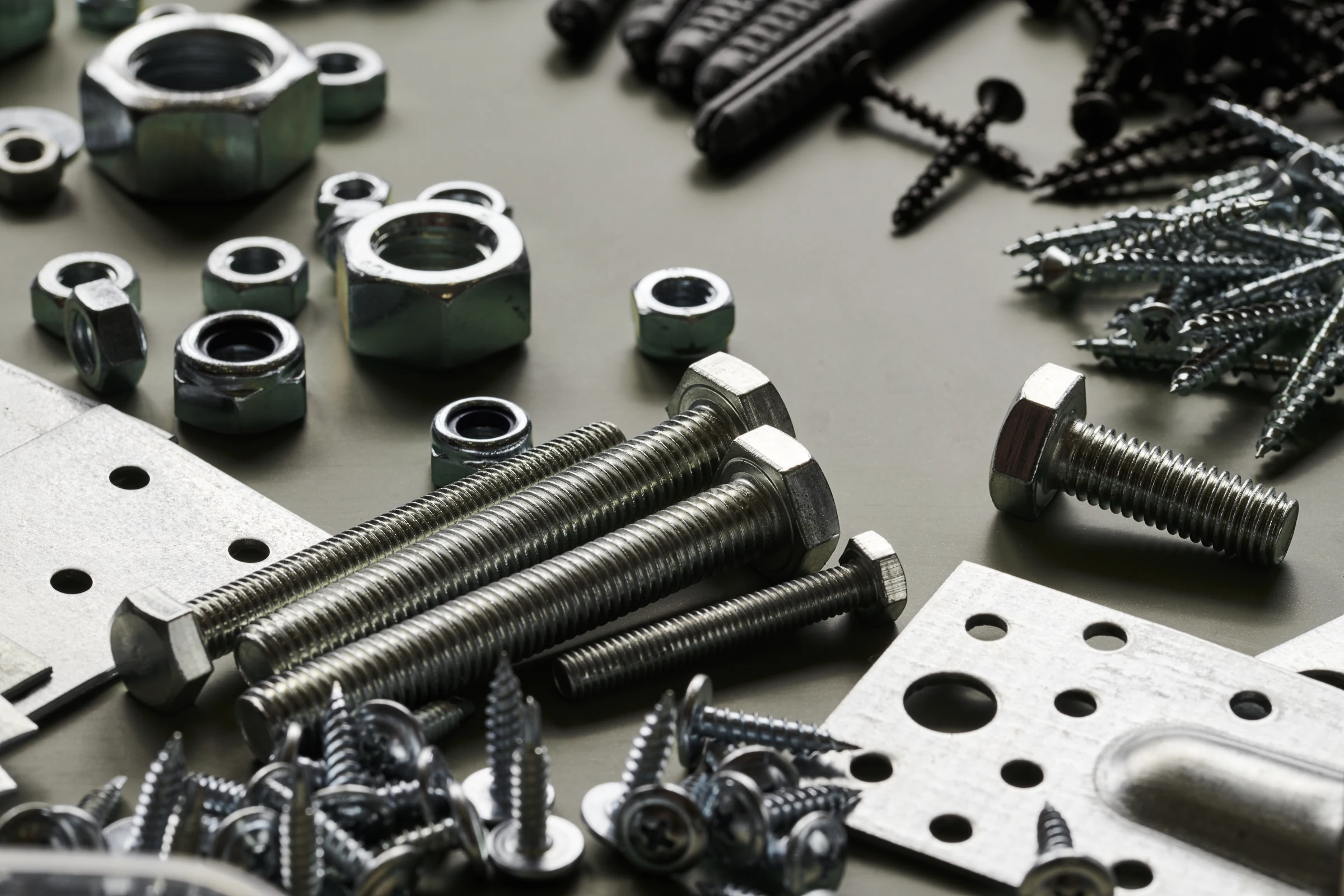
Standard and custom bolts, nuts, studs and threaded parts, specified around the joint and supplied in the required finish and pack format
Request a quoteBolts, screws, studs and nuts do more than hold parts together. Their thread, strength, material and finish determine how they fit and perform in the assembly.
A higher strength class is not the only selection criterion. Coating, thread fit, friction and corrosion requirements also affect the joint.
Use a recognised fastener specification or define a custom head, shank and thread for the application.
The property class or material grade must suit the joint loads, temperature and environment.
Matched hardware sets, labelled batches and agreed pack quantities support receiving and assembly.
Different joints call for different head forms, threads and material conditions. These examples show fasteners in the context of the equipment they serve
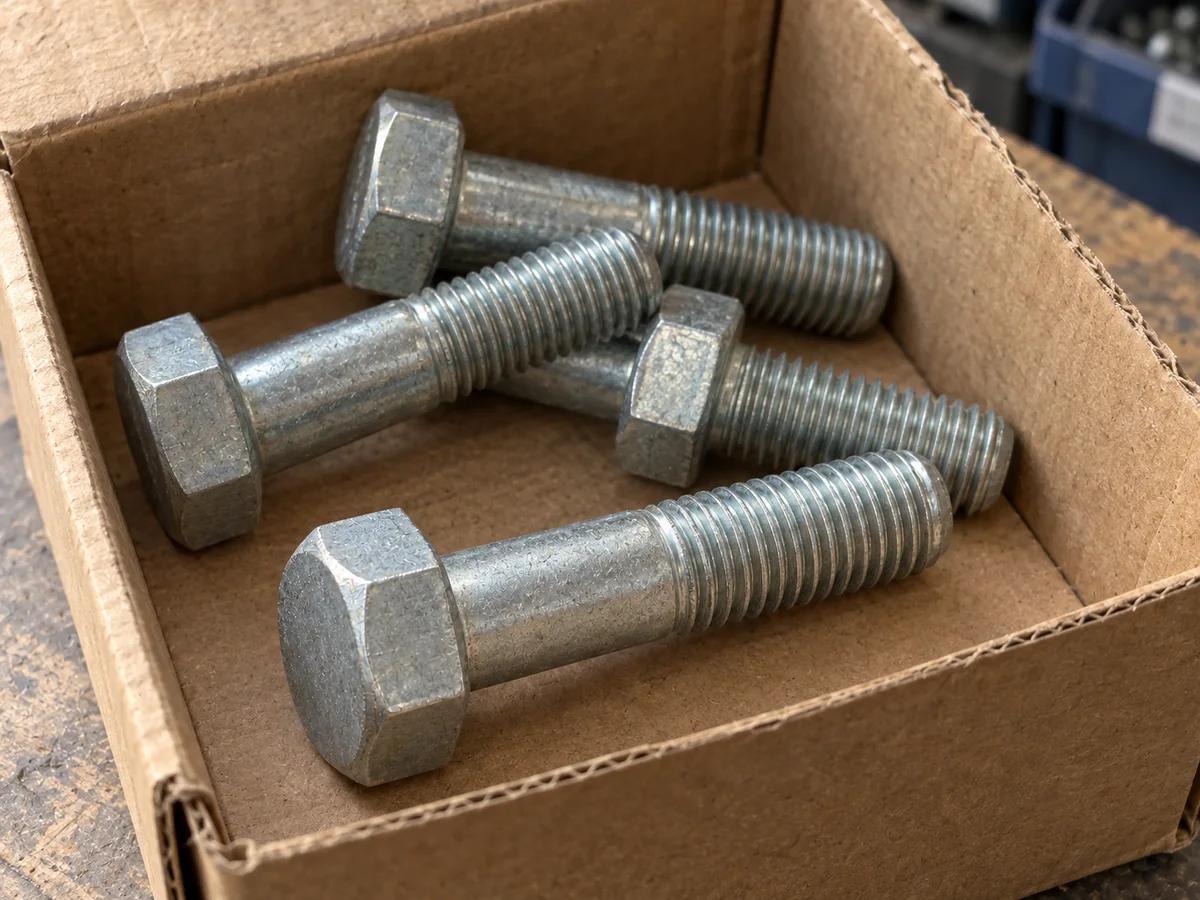
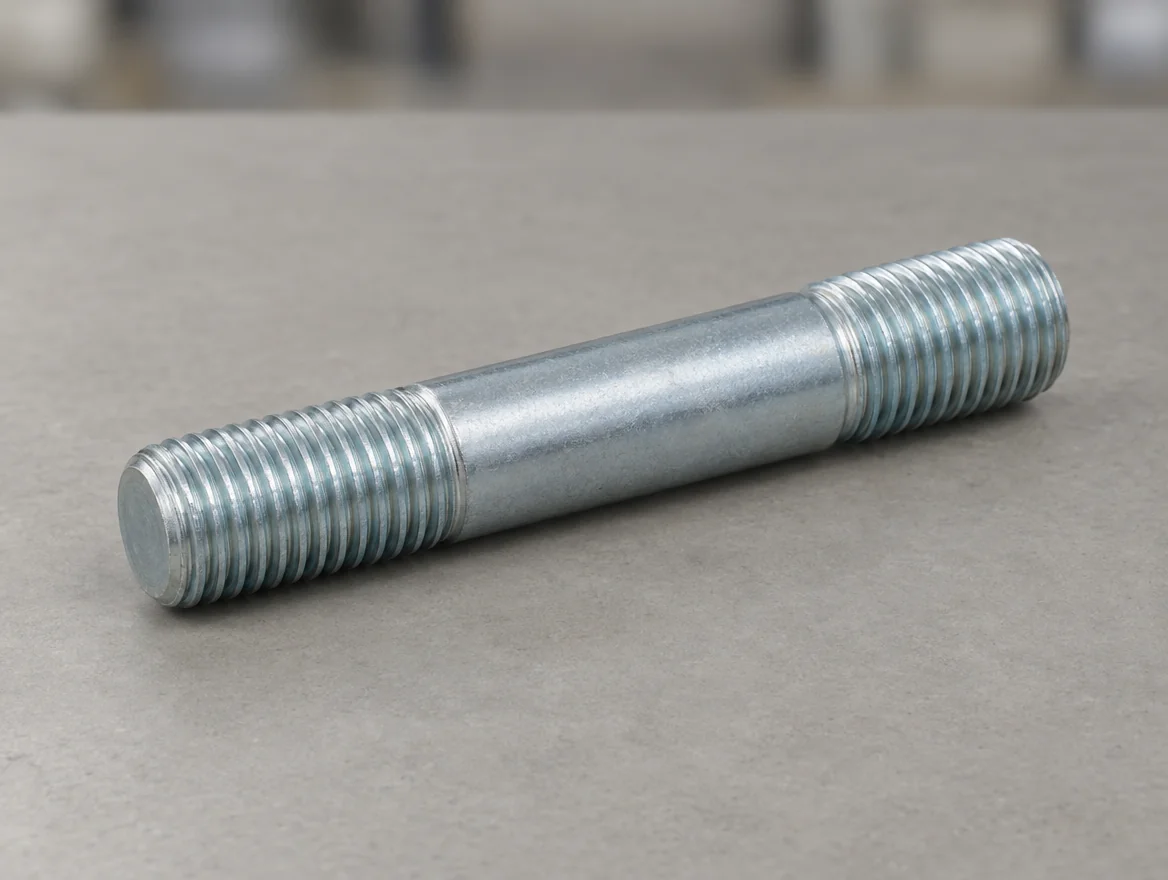
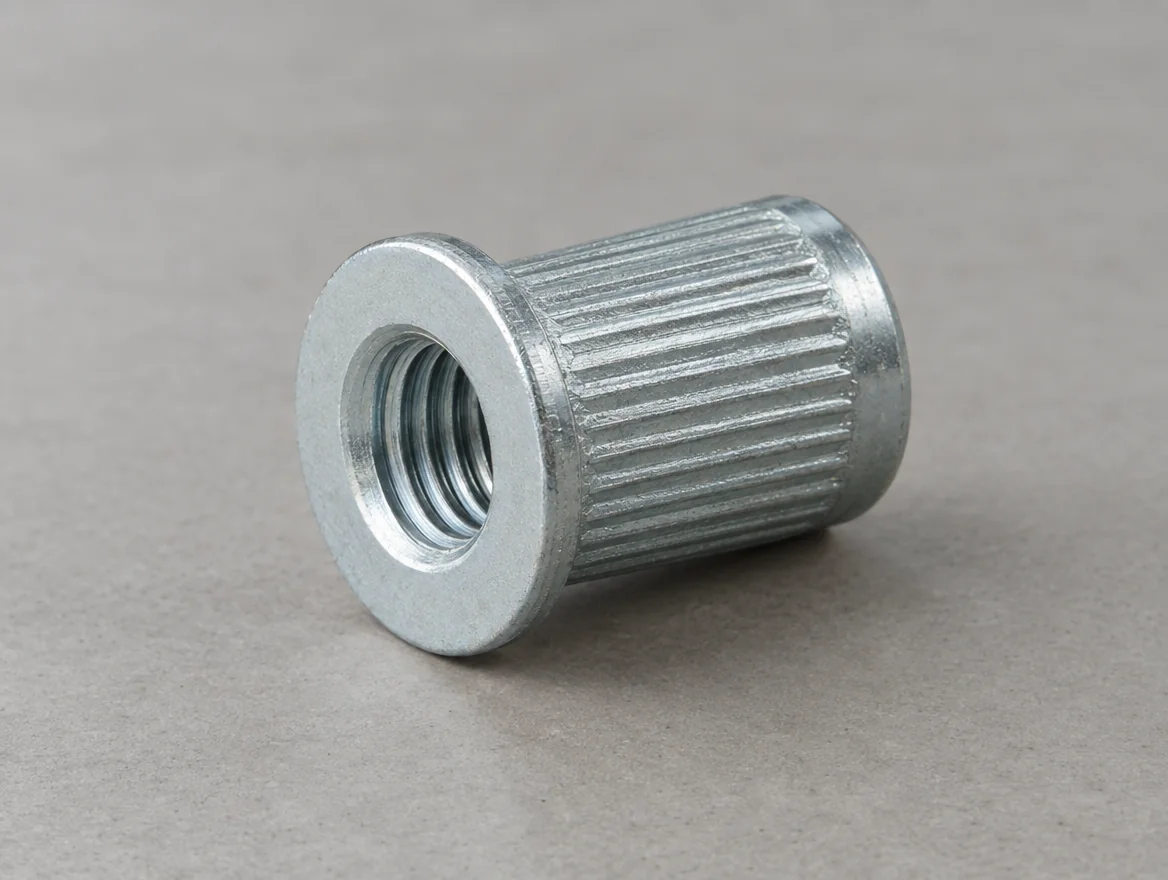
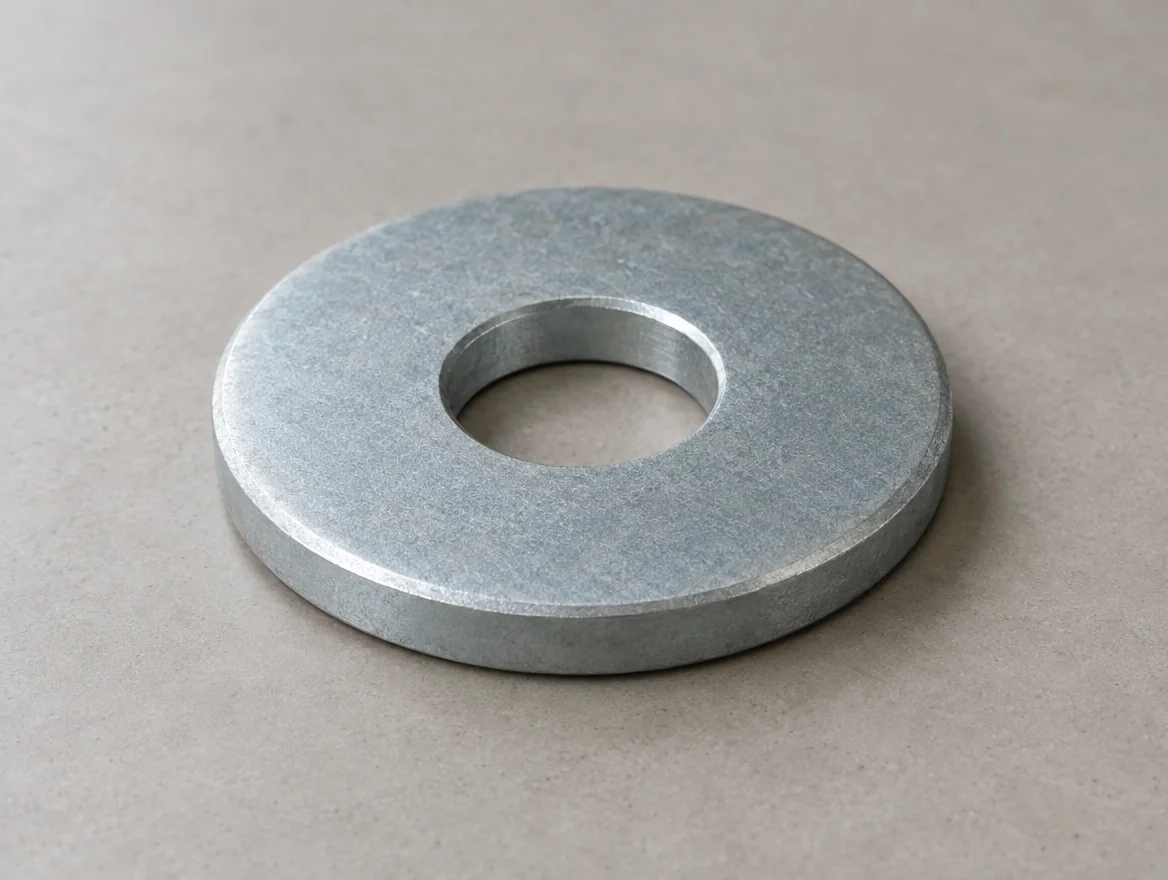
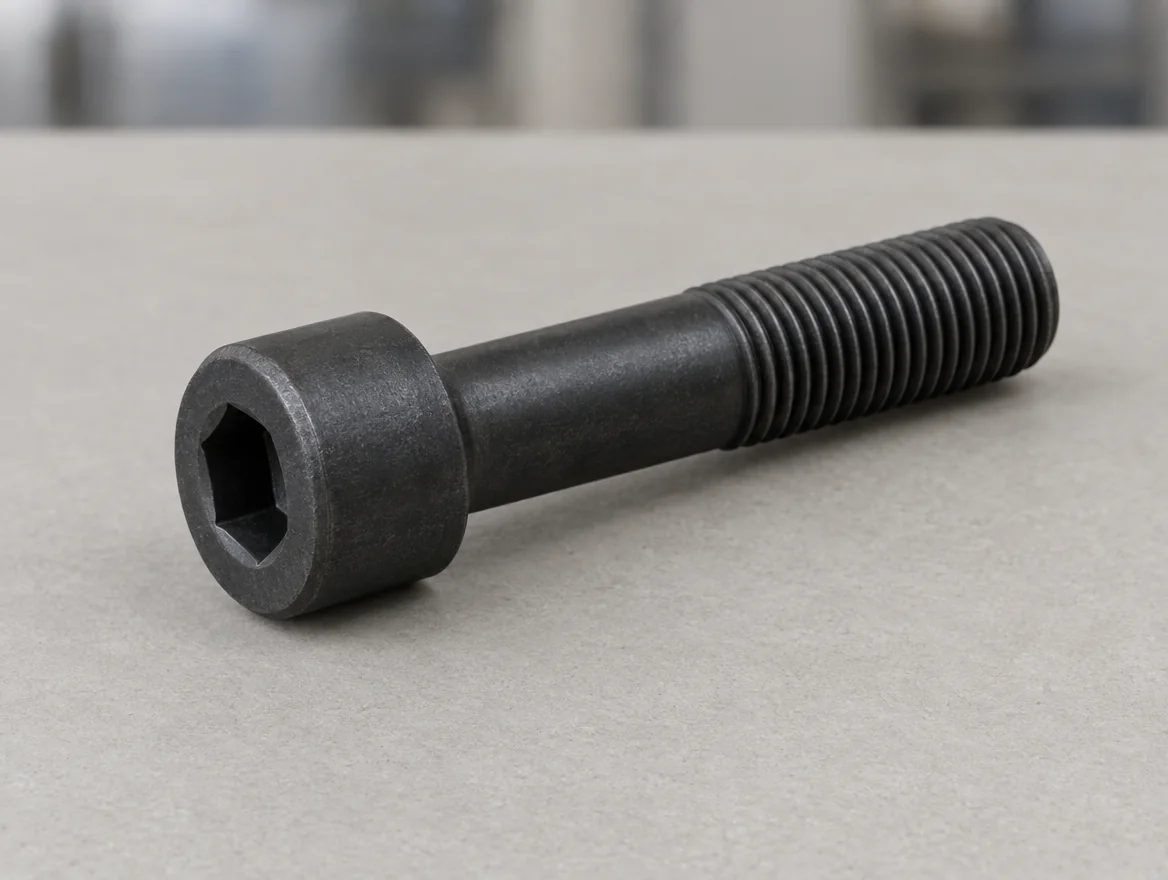
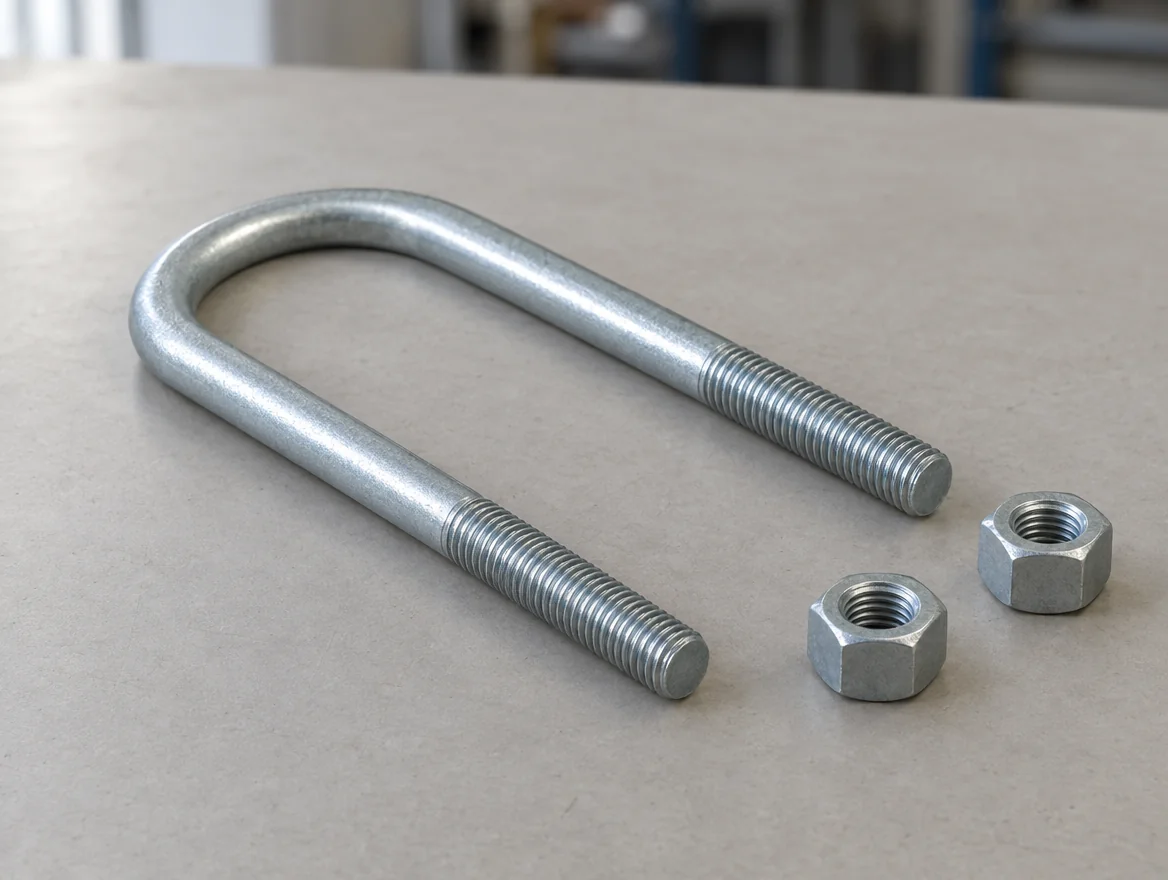
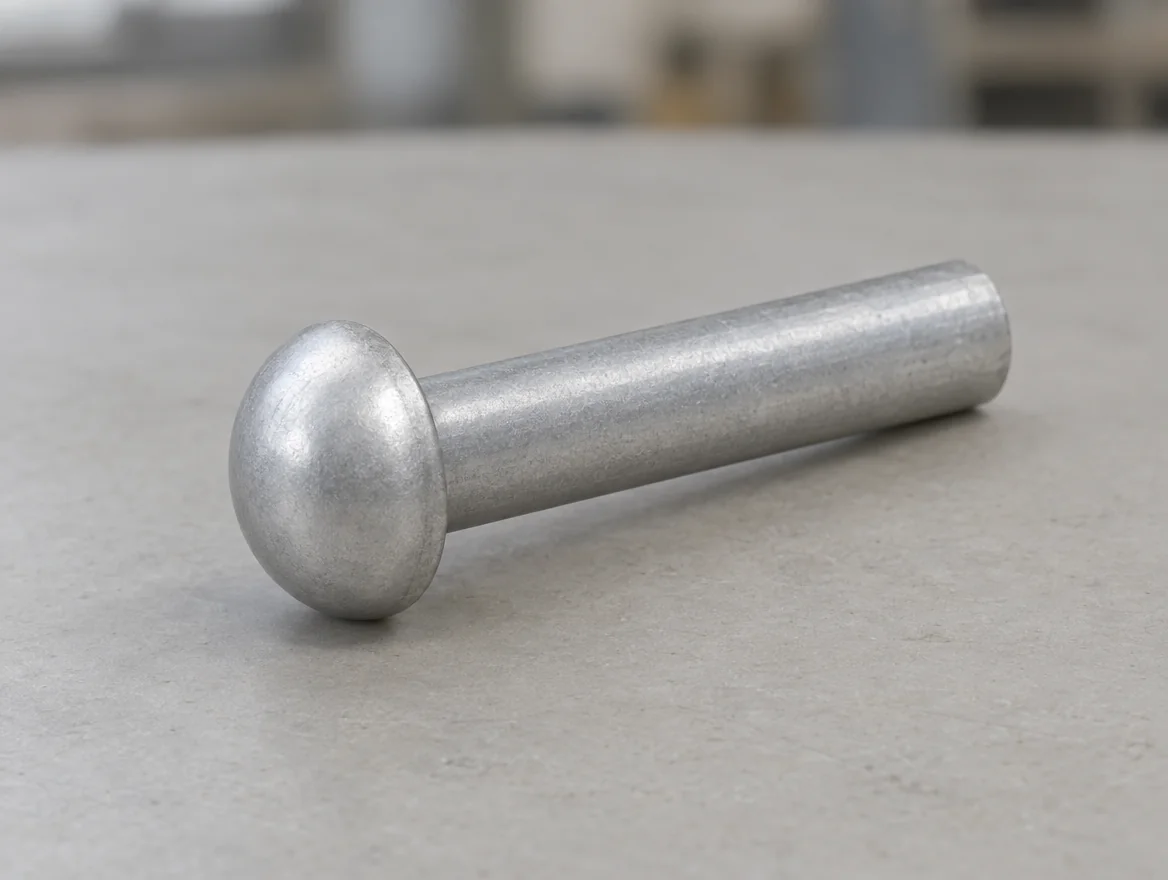
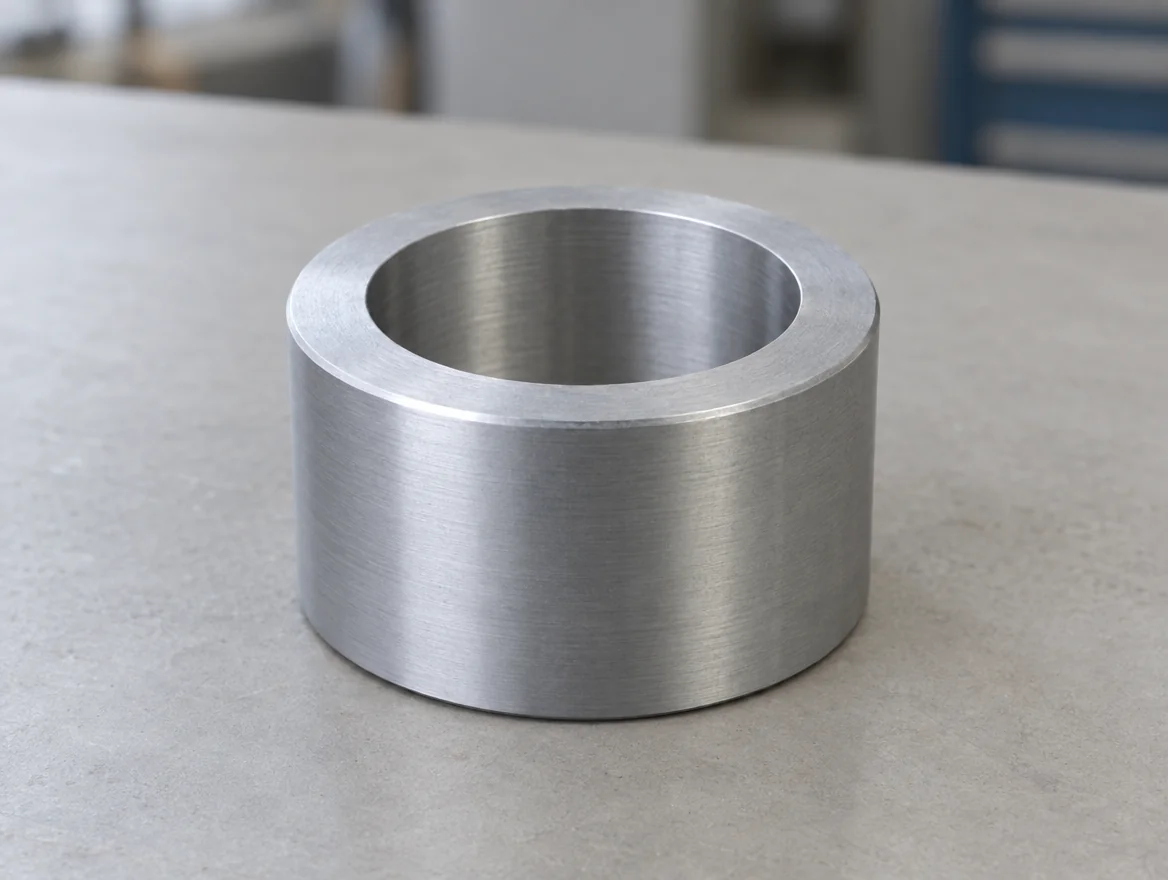
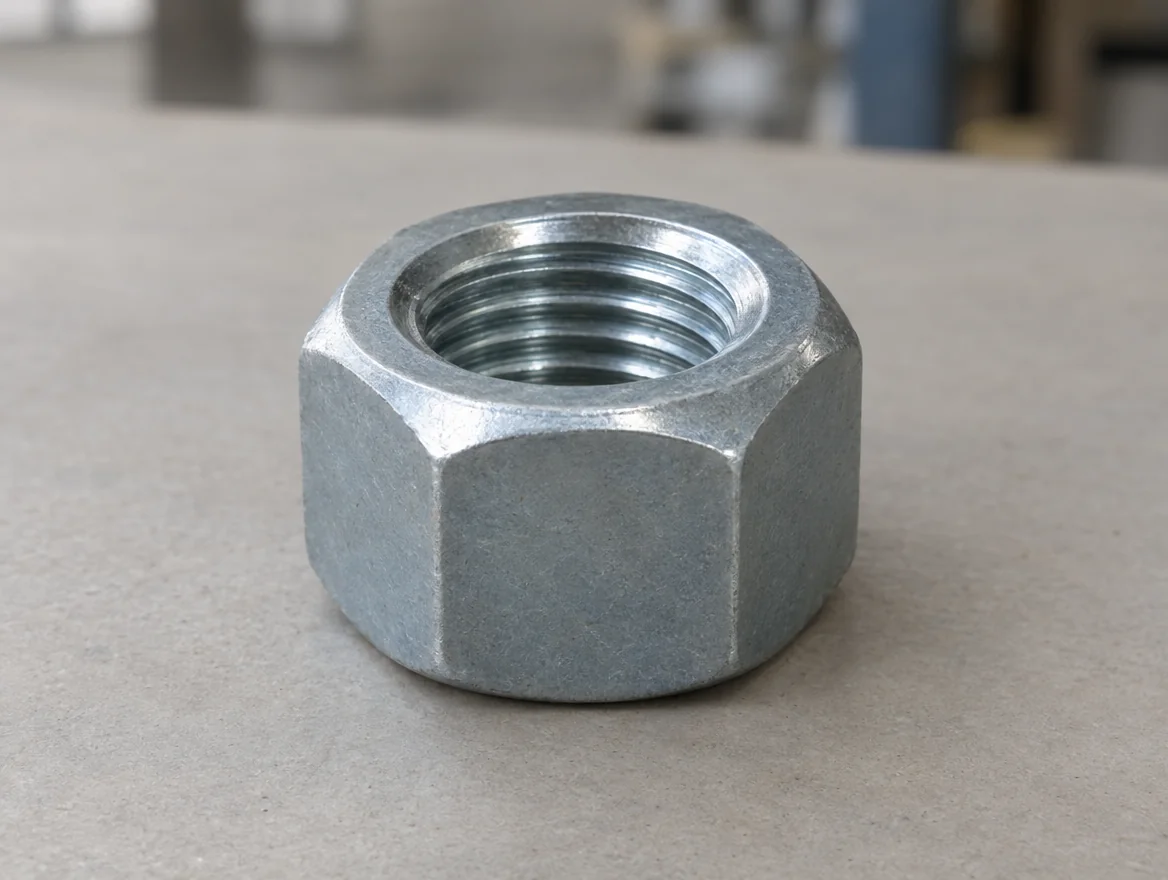
Strength class and material grade answer different requirements. Consider the load, corrosion exposure and temperature together, then specify the thread and finish
The fastener’s coating must work with its grade and thread fit. Matched sets, lot labels and pack quantities make the delivery easier to receive and use
Choose the coating for the joint conditions, accounting for thread fit and any treatment restrictions on the grade.
Group specified bolts, nuts and washers or prepare application-specific kits.
Connect labelled packs to the production lot and the required test records.
Agree pack quantities and protection around your receiving and assembly process.
The standard or drawing defines the fastener. Samples and agreed tests establish the product before manufacture, treatment and packing of the batch
Confirm the standard or drawing, thread, grade, finish and joint requirements.
Select the stock, forming or machining method, threading and treatment sequence.
Check sample dimensions and the specified mechanical and coating results.
Form or machine the body, then roll or cut the threads as specified.
Apply the required heat treatment and finish, with controls suited to the selected grade.
Check the batch and prepare the agreed sets, quantities, labels and records.
Inspection and testing follow the fastener specification. Records connect the supplied lot with the required dimensional, mechanical and coating results
| What is checked | How it is verified | Supporting record |
|---|---|---|
| Dimensions and threads | Dimensional measurement and GO/NO-GO gauging to the specified thread class. | Dimensional and thread inspection record |
| Mechanical properties | Proof-load, tensile or hardness testing as applicable to the fastener specification. | Mechanical-test report |
| Coating and friction | Thickness, corrosion or torque-tension testing where the finish and joint specification require it. | Specified coating or friction-test report |
| Batch identity | Connect material and production lot references to test records and pack labels. | Lot traceability record |
Dimensional measurement and GO/NO-GO gauging to the specified thread class.
Dimensional and thread inspection record
Proof-load, tensile or hardness testing as applicable to the fastener specification.
Mechanical-test report
Thickness, corrosion or torque-tension testing where the finish and joint specification require it.
Specified coating or friction-test report
Connect material and production lot references to test records and pack labels.
Lot traceability record
The inspection plan confirms which checks and documents your order includes. Include any required certificate types, test methods, report formats or independent inspection in your enquiry so the quotation covers them.