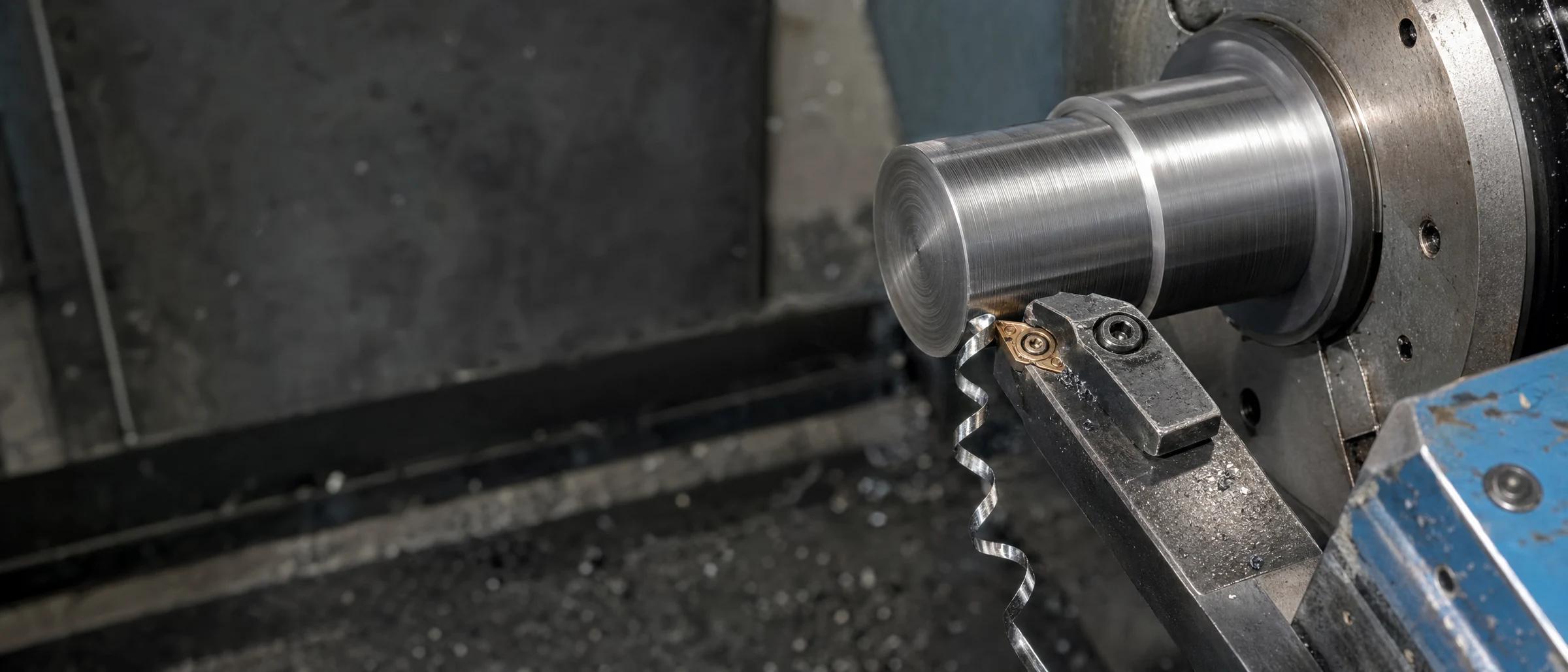
Post-weld machining
Finish mounting faces and bores after joining where the assembly needs a precise fit.
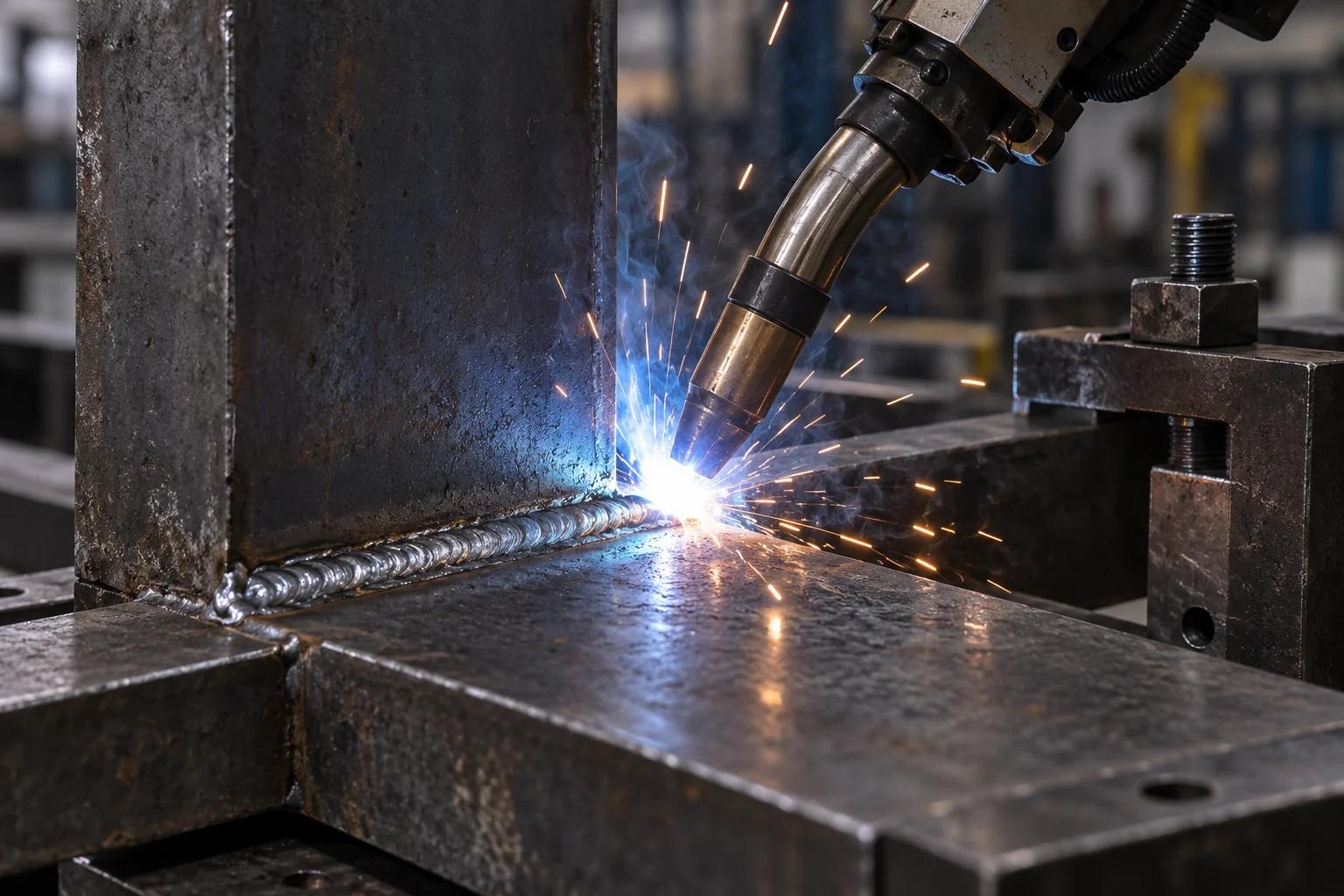
Sheet-metal parts, welded frames and assemblies made to your drawings, with machining, coatings and fitted hardware as required
Request a quoteFabrication turns sheet, plate and metal sections into components and assemblies through cutting, bending and joining. Welding connects the parts; machining and coatings can complete the assembly.
Weld access and movement during joining affect the finished geometry. Critical dimensions should apply to the completed assembly, with any post-weld machining identified.
Frames, brackets and enclosures can combine several cut and formed components.
Mounting faces and bores can be machined after welding where the final fit requires it.
Paint, powder coating or galvanising can be specified to suit the material and exposure.
Frames, brackets and enclosures bring several parts together around an installation or machine. These examples show the relationship between the structure and its mounting interfaces
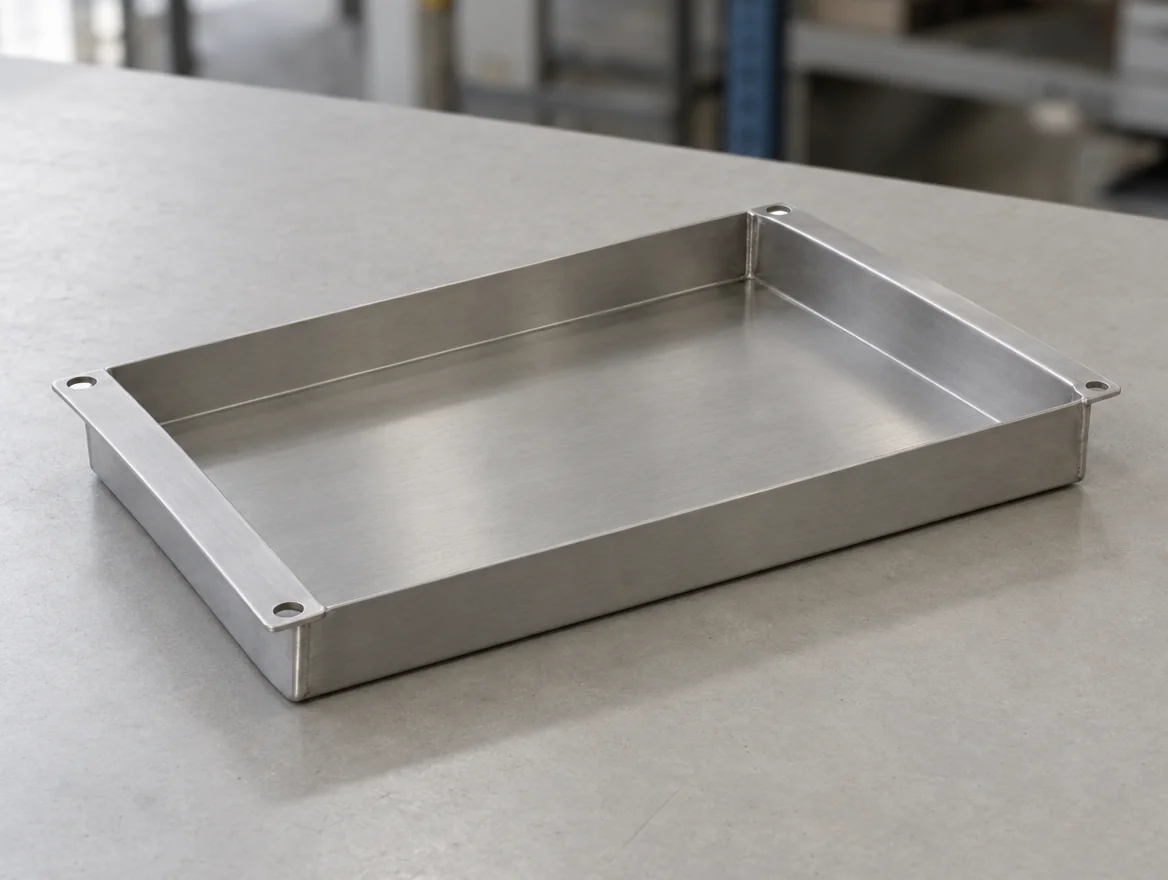
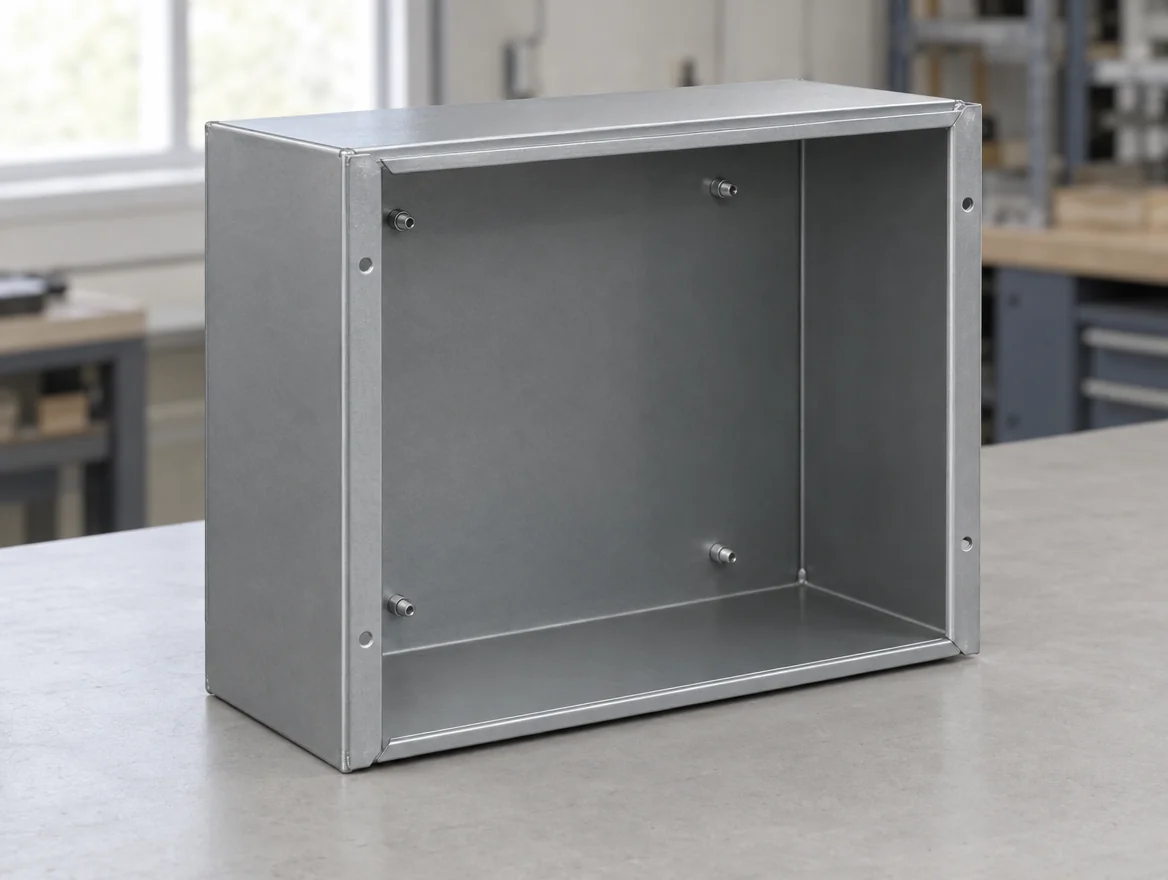
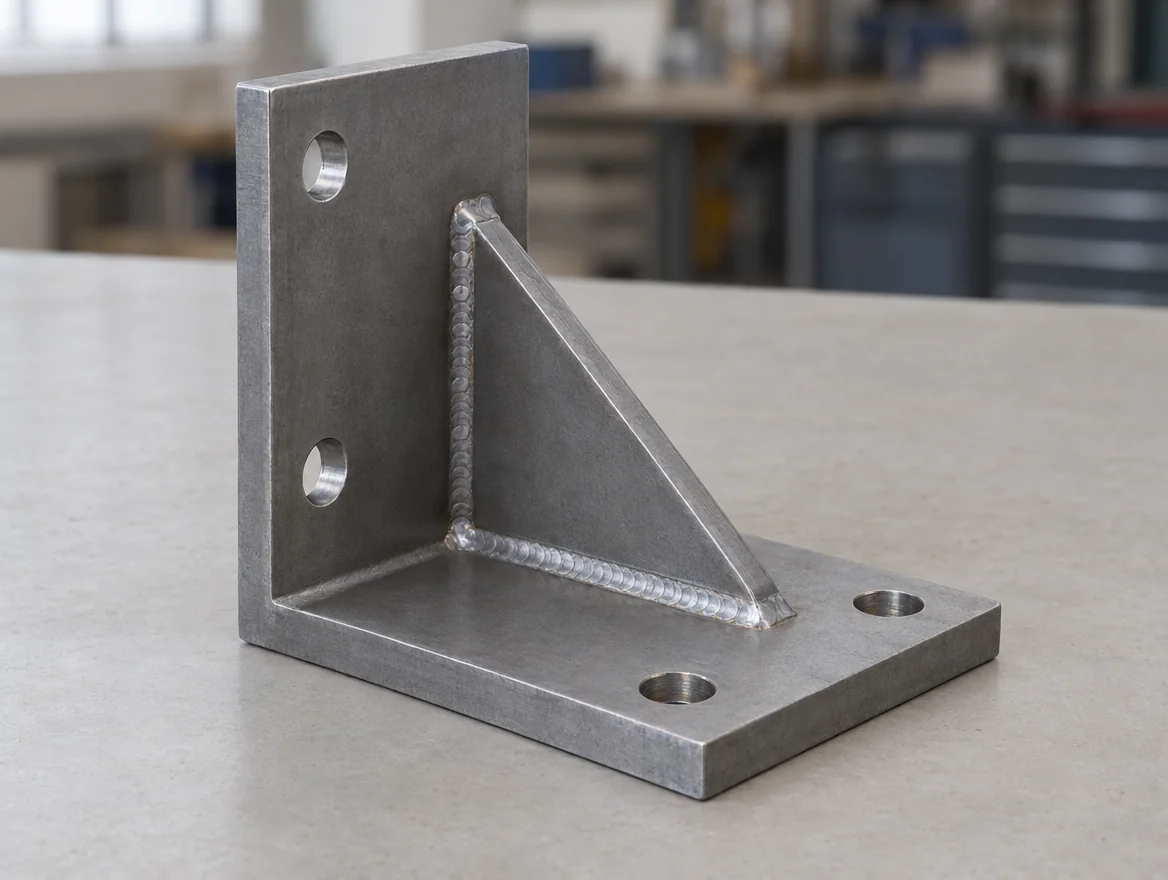
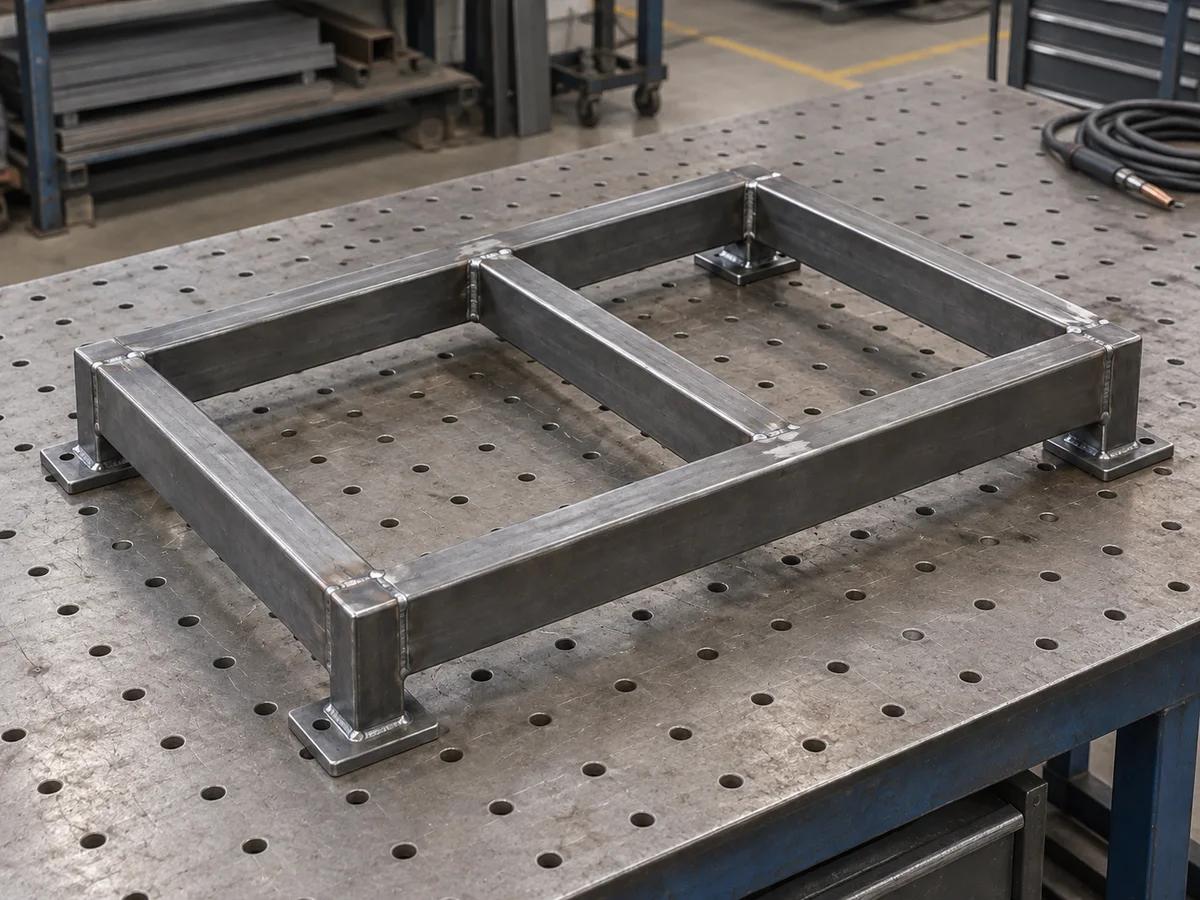
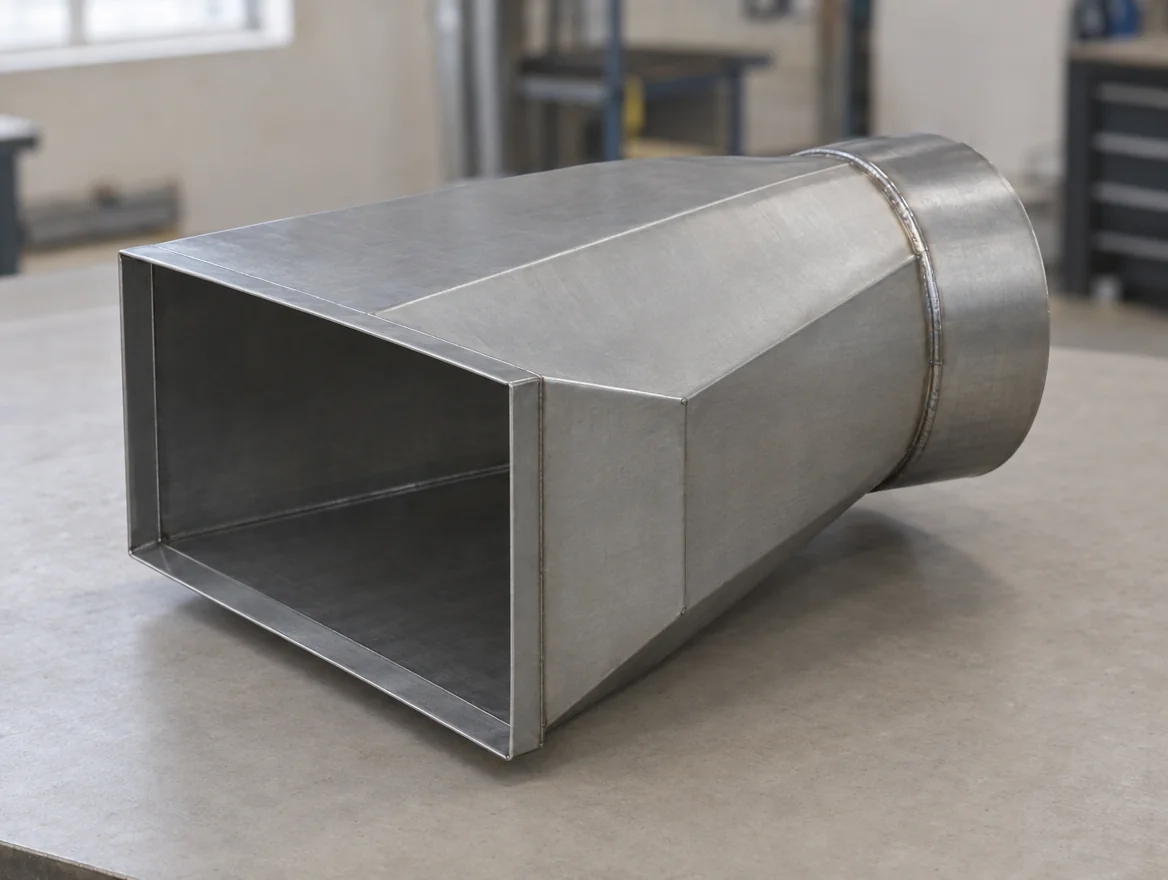
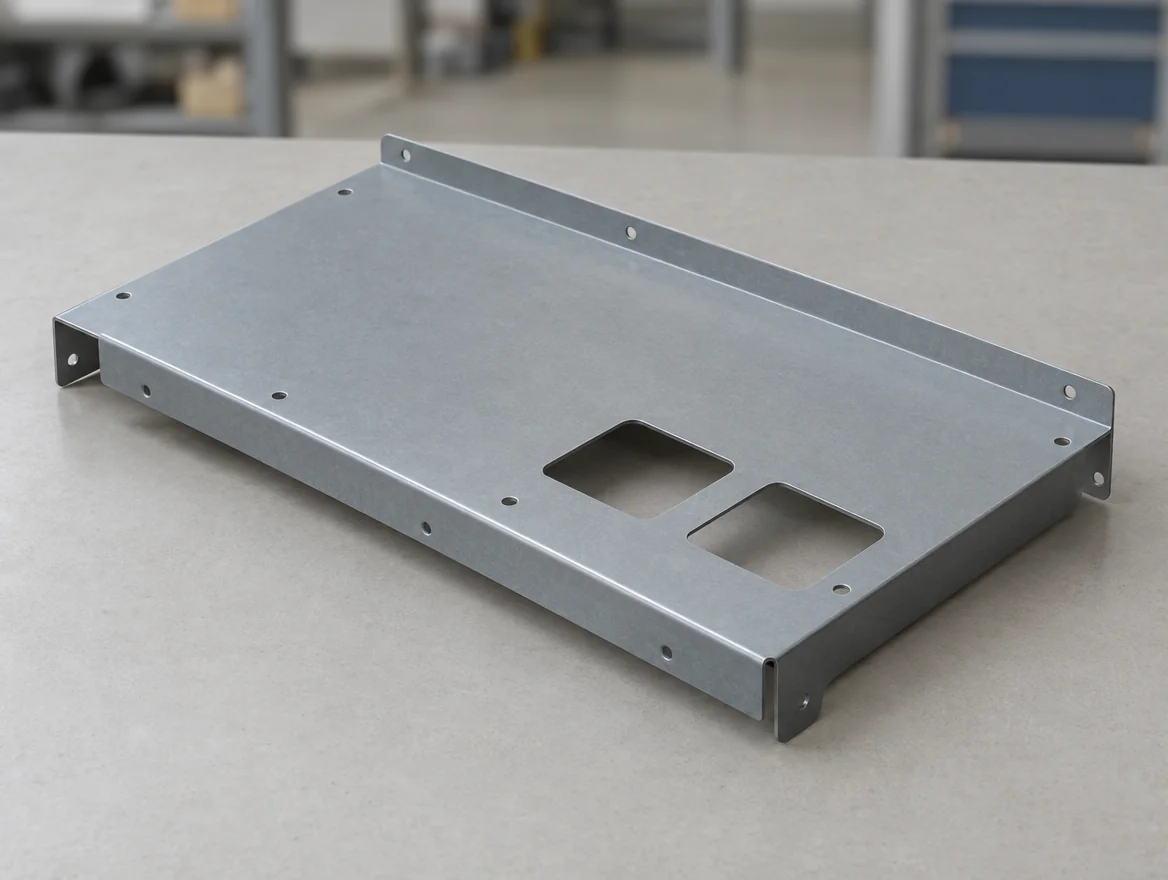
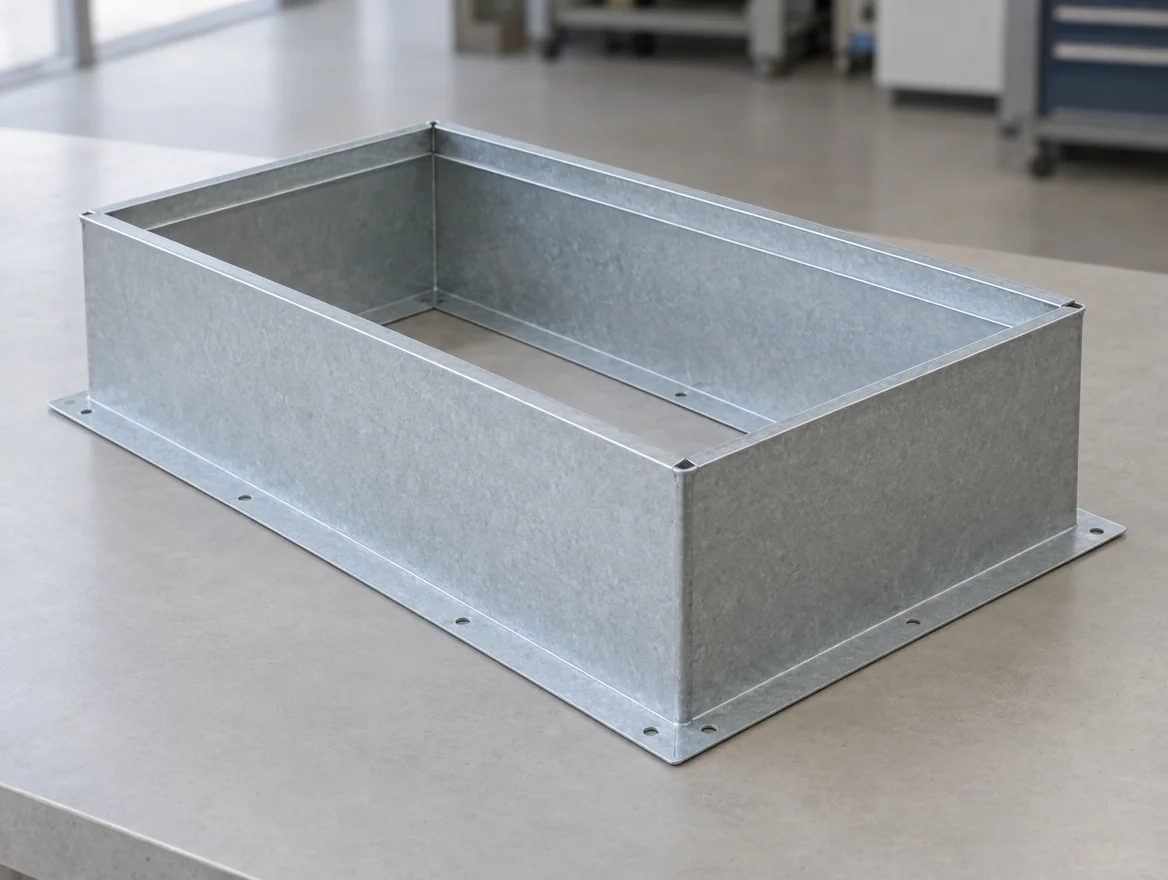
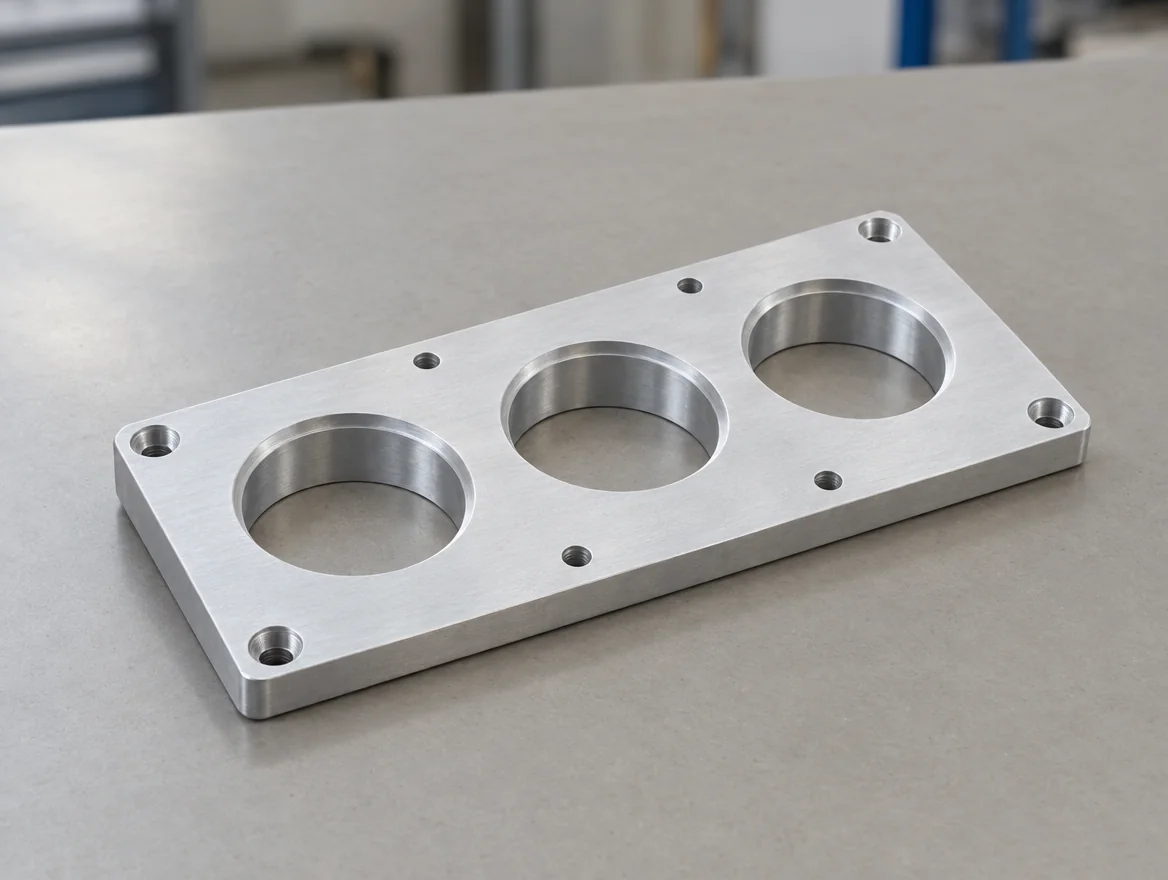
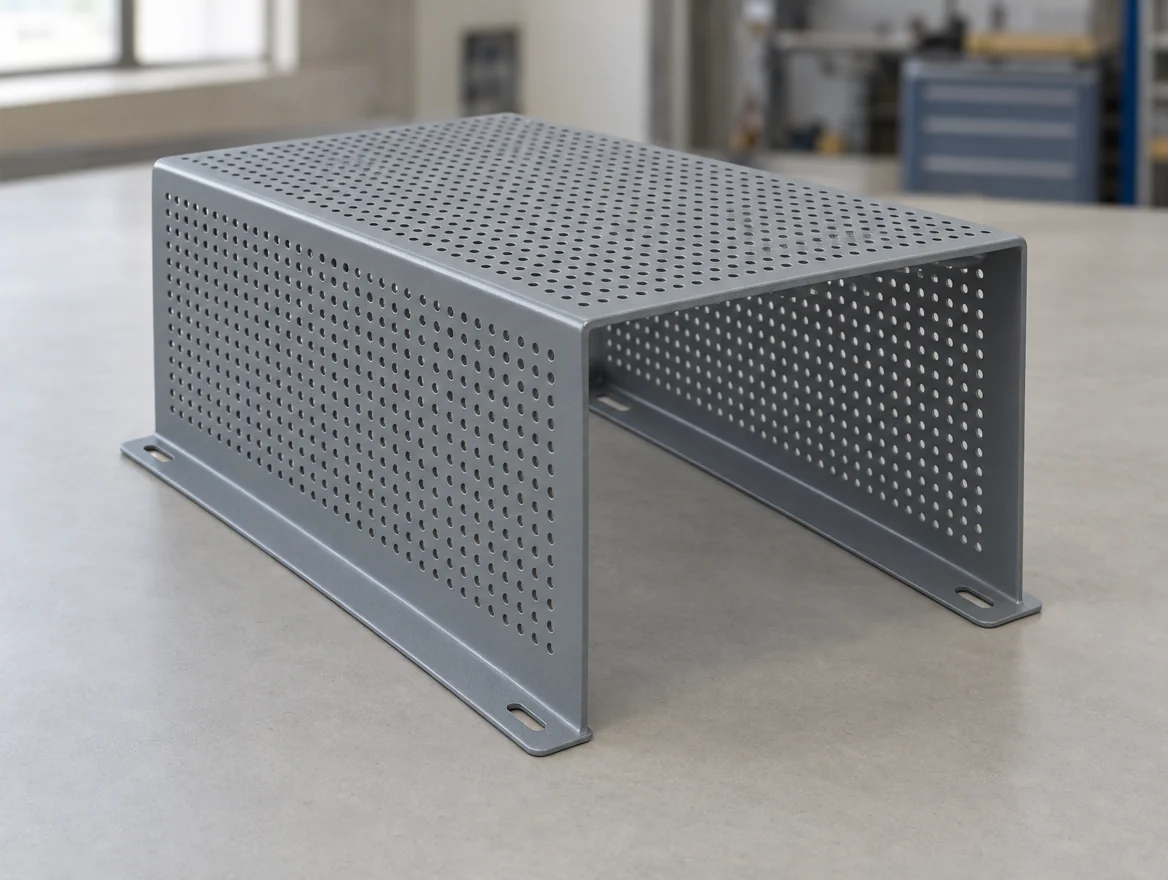
Loads, exposure and weight help determine the sheet, plate or sections to use. Welding and the final coating need to be compatible with that choice
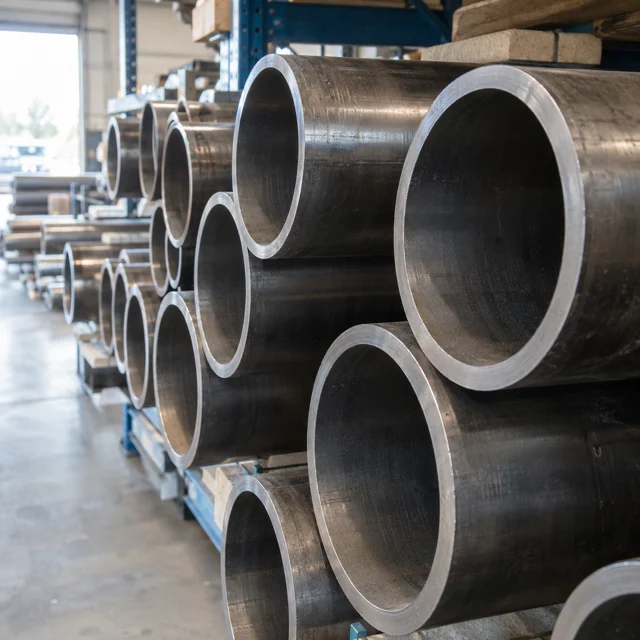 Structural steel
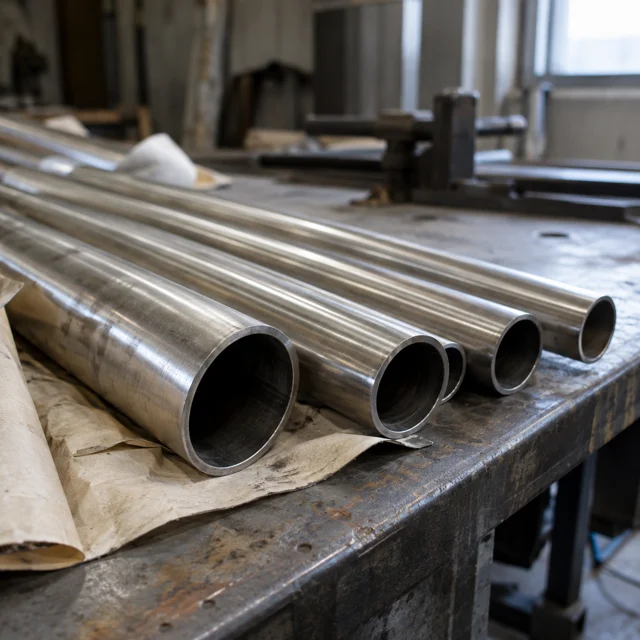 Stainless sheet
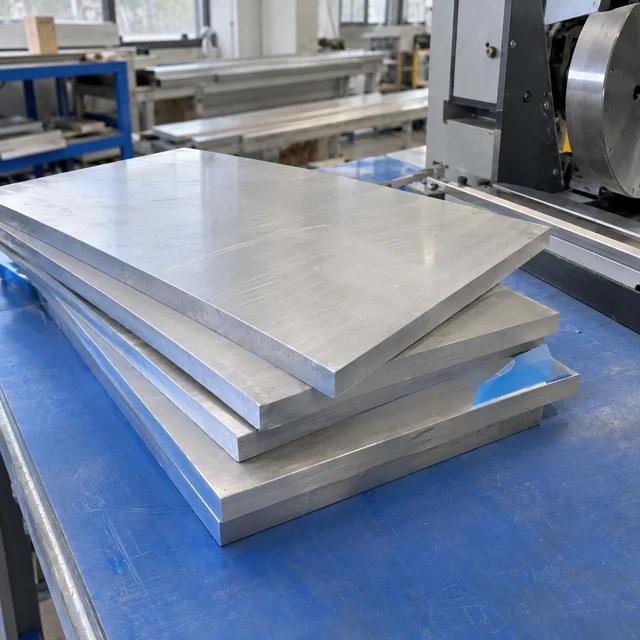 Aluminium
 Coated sheet
Joining creates the structure. Post-weld machining, surface protection and fitted hardware complete the features needed for installation
Finish mounting faces and bores after joining where the assembly needs a precise fit.
Select blasting, paint, powder coating or galvanising to suit the material and service conditions.
Fit specified hardware and group panels or other parts for installation.
Support the assembly and protect finished surfaces and mounting features during transport.
We plan the cuts, bends and joints around the completed assembly. A first assembly confirms fit and dimensions before the production sequence is repeated
Confirm materials, joints, critical dimensions and the final protective finish.
Prepare cut patterns, bend details and fixtures, with the required welding procedures confirmed.
Check fit, distortion and completed dimensions before repeating the process.
Make the individual parts and join them in the agreed sequence.
Finish critical faces and bores, then prepare and coat the surfaces as specified.
Check the completed assembly and protect its surfaces and fitted items for transport.
Individual parts can meet their drawings while the assembly still needs adjustment. Checks cover the completed geometry, weld condition and specified protective finish
| What is checked | How it is verified | Supporting record |
|---|---|---|
| Material and heat identity | Match the specified grade and heat or batch reference to material certificates, chemistry and the required supply condition. | Material certificate linked to the heat or batch |
| Weld condition | Visual examination plus suitable NDT at the locations and extent stated in the inspection plan. | Weld inspection and specified NDT reports |
| Assembly geometry | Layout inspection, fixtures or coordinate measurement suited to the assembly. | Dimensional inspection report |
| Coating acceptance | Thickness, appearance or adhesion checks as required by the selected system. | Coating inspection record |
Match the specified grade and heat or batch reference to material certificates, chemistry and the required supply condition.
Material certificate linked to the heat or batch
Visual examination plus suitable NDT at the locations and extent stated in the inspection plan.
Weld inspection and specified NDT reports
Layout inspection, fixtures or coordinate measurement suited to the assembly.
Dimensional inspection report
Thickness, appearance or adhesion checks as required by the selected system.
Coating inspection record
The inspection plan confirms which checks and documents your order includes. Include any required certificate types, test methods, report formats or independent inspection in your enquiry so the quotation covers them.