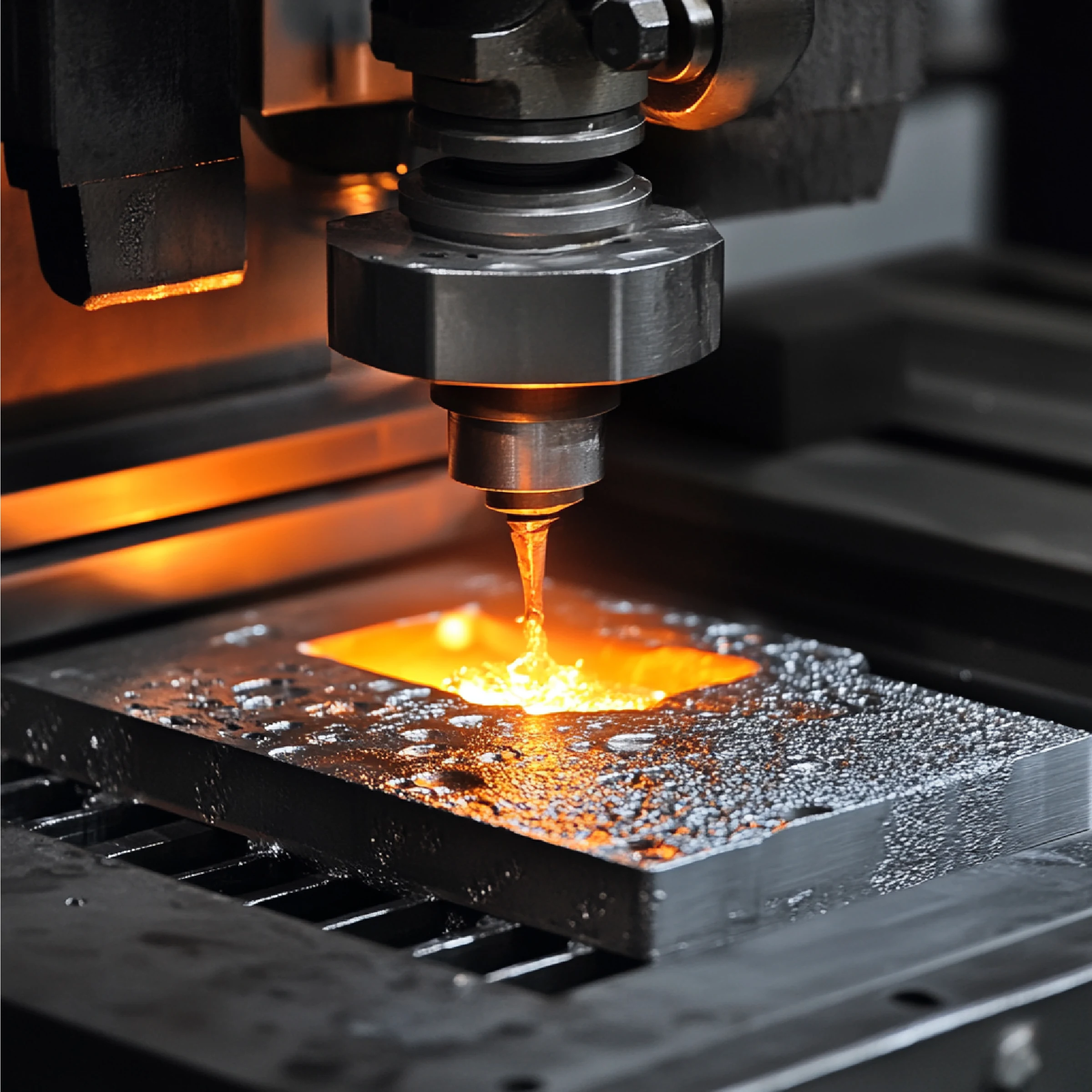
Close-up of industrial tooling above glowing metal on a machine bed

Die casting

Aluminium and zinc housings, covers and shaped parts for repeat production, with machining, inserts and coatings included as required

Request a quote

What is die casting?

Die casting injects molten metal into a reusable steel die under pressure. It produces aluminium and zinc parts with detailed shapes for repeat production.

What to consider

Tooling is an upfront investment. Expected demand, design stability and any pressure-tight requirements help determine whether die casting is the right choice.

  • Features formed together

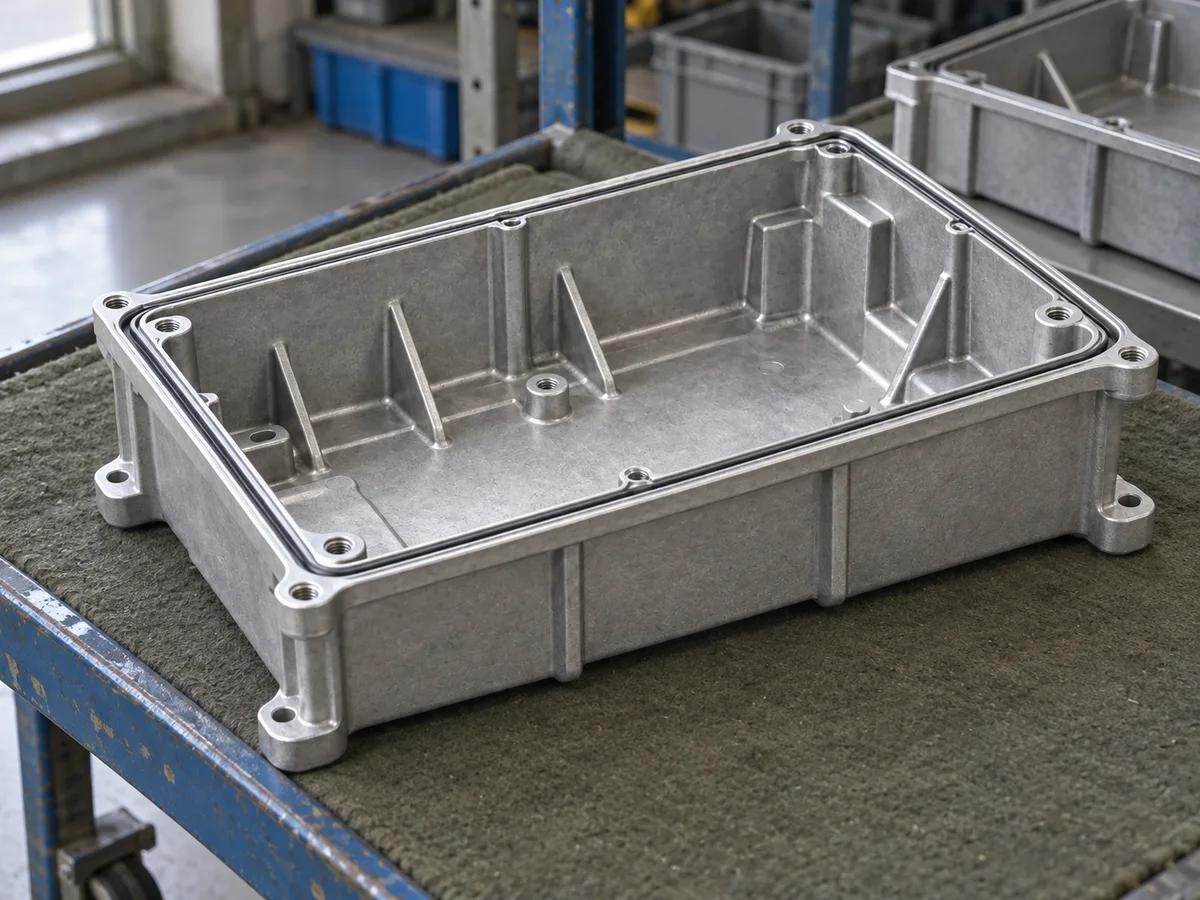
    Walls, ribs and mounting bosses can be cast into a single housing or component.

  • A tool built for repeat orders

    The same die produces successive batches of the approved part.

  • A path to a finished component

    Machining, inserts and coatings can complete the fits, connections and appearance your assembly needs.

Where die casting is used

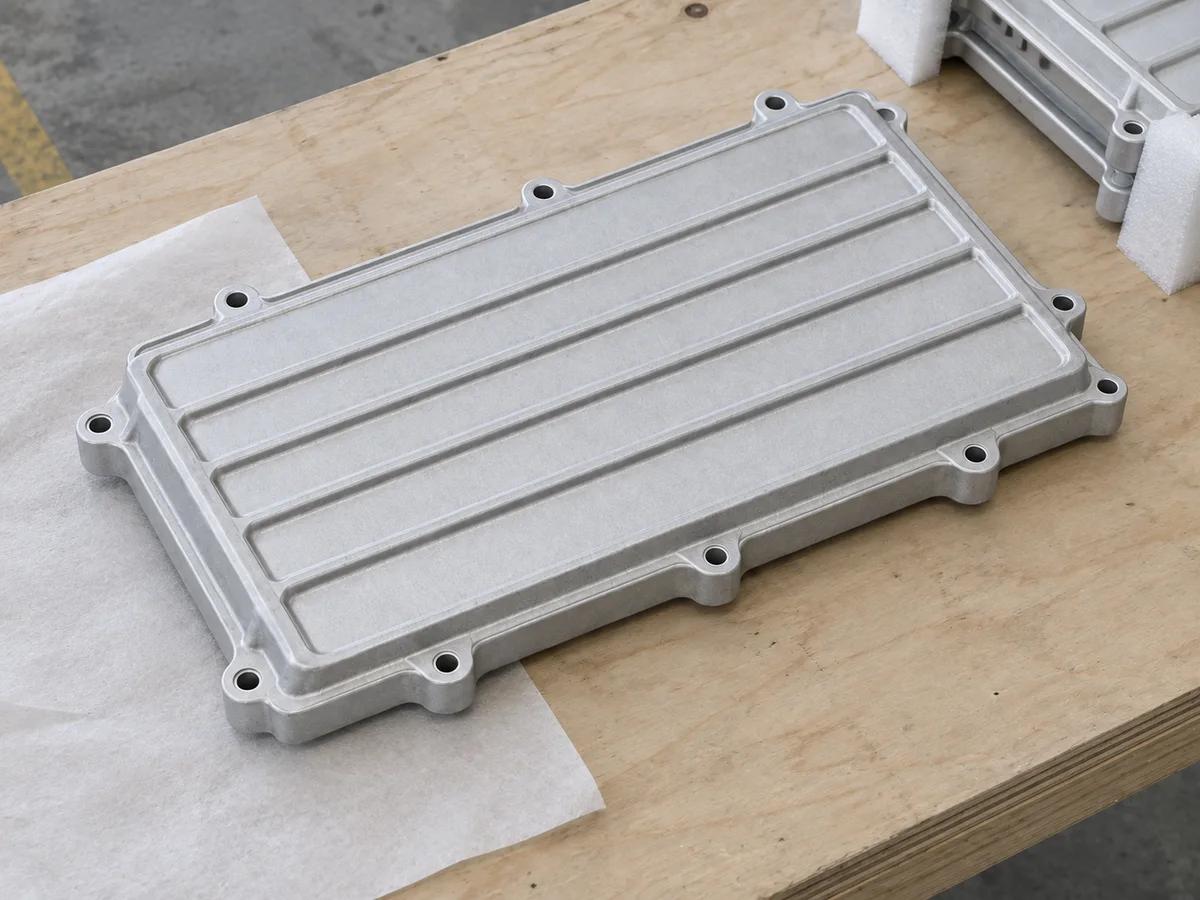
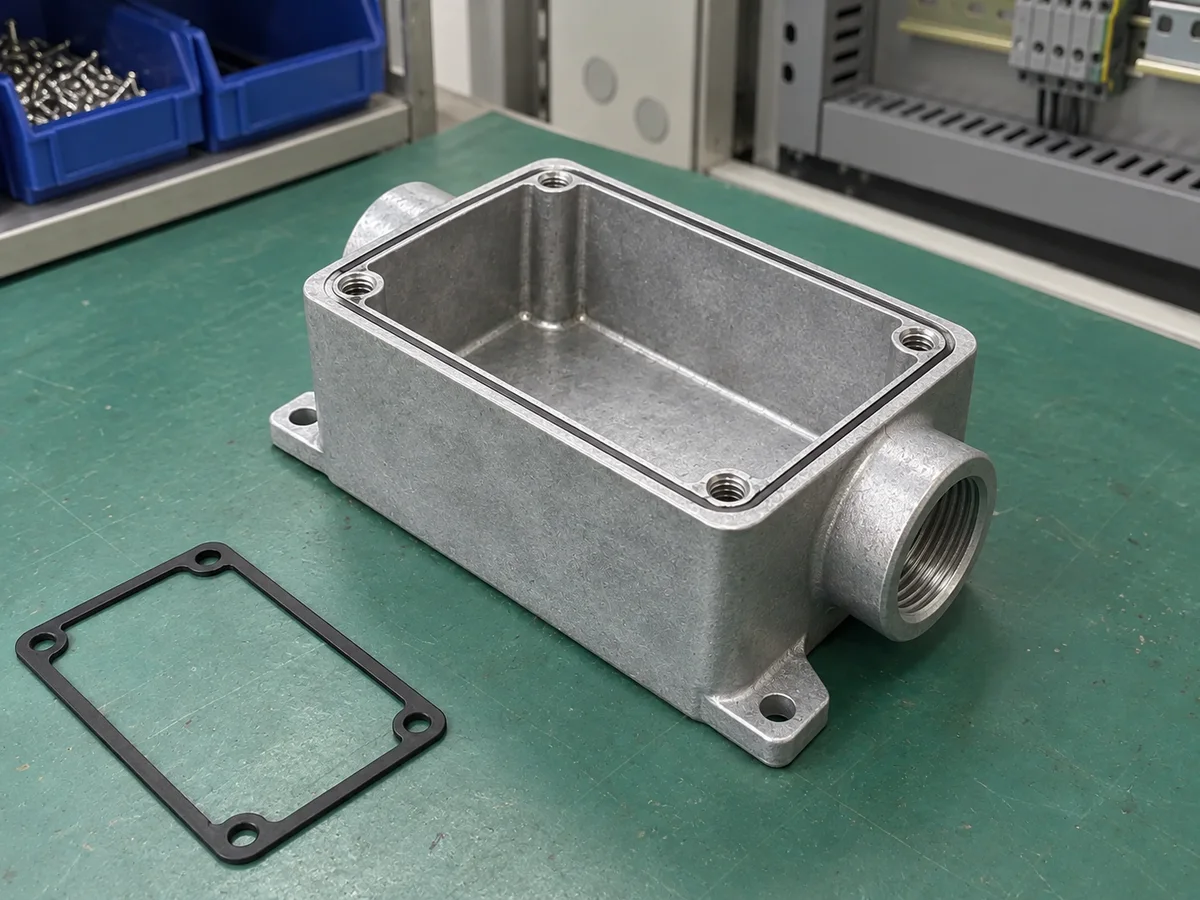
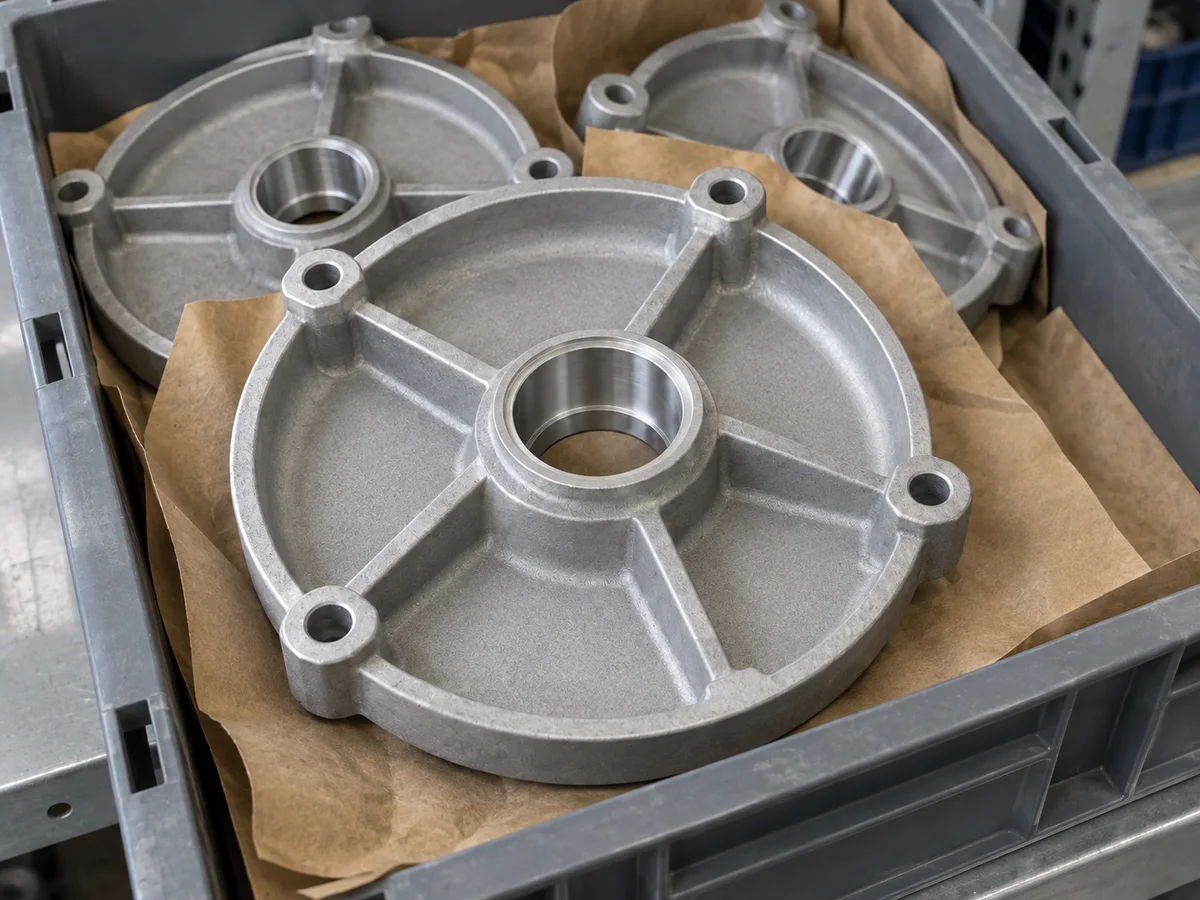
Housings and covers often need thin walls, ribs and mounting features in one part. These examples show how the casting and its finished connections work together

E-mobility & New Energy

Industry overview
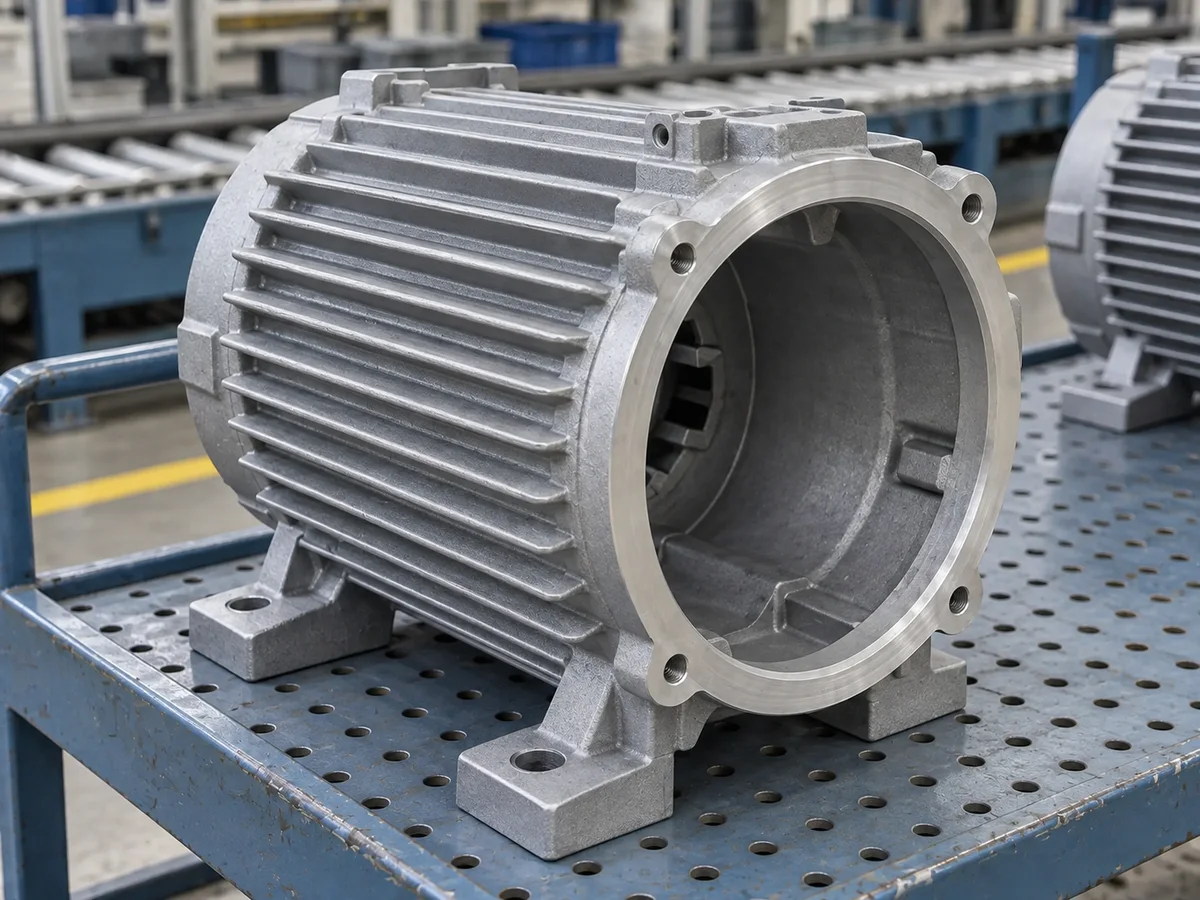
  • AI-generated illustration of electric motor housings

    Electric motor housings

  • AI-generated illustration of inverter housings

    Inverter housings

  • AI-generated illustration of battery enclosure covers

    Battery enclosure covers

  • AI-generated illustration of charging-system junction enclosures

    Charging-system junction enclosures

Cooling & HVAC

Industry overview
  • AI-generated illustration of fan motor housings

    Fan motor housings

  • AI-generated illustration of motor end shields

    Motor end shields

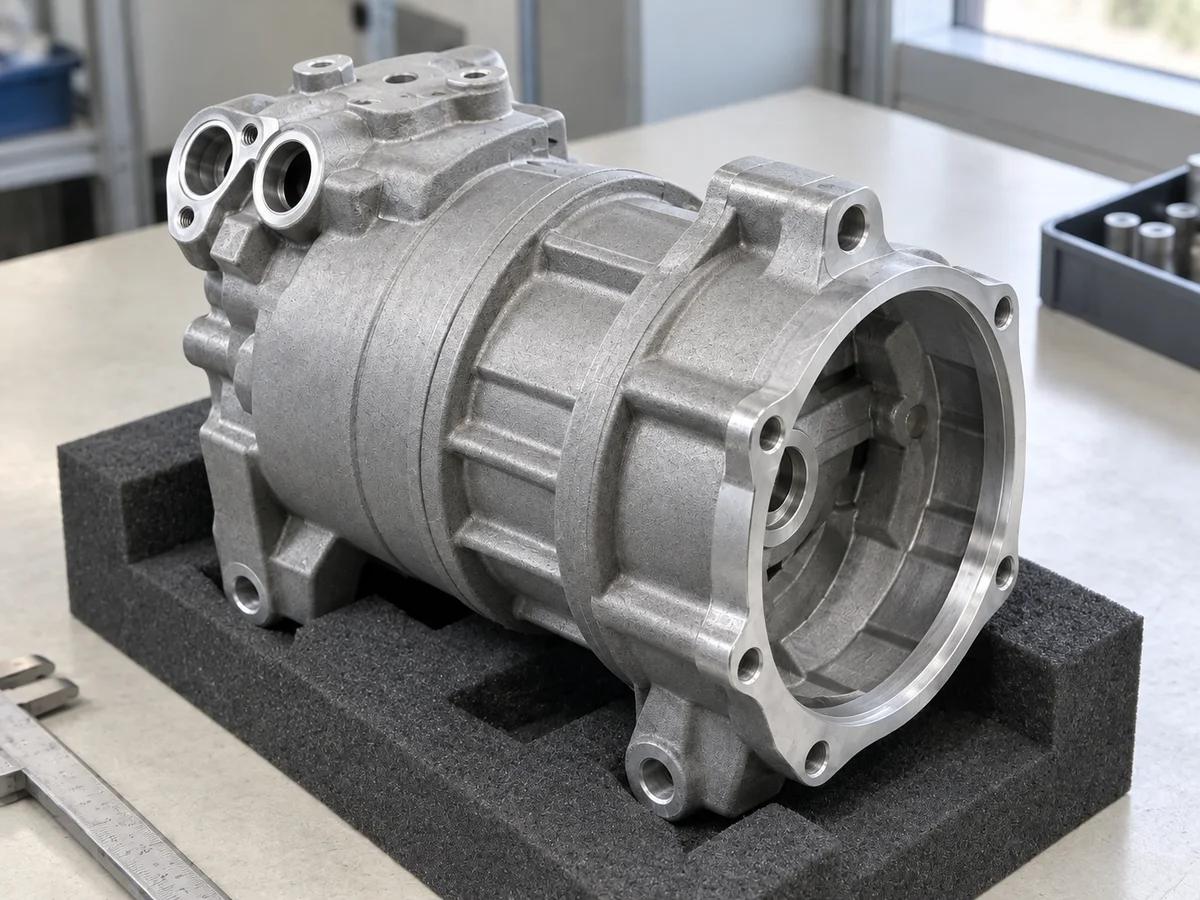
  • AI-generated illustration of air-conditioning compressor housings

    Air-conditioning compressor housings

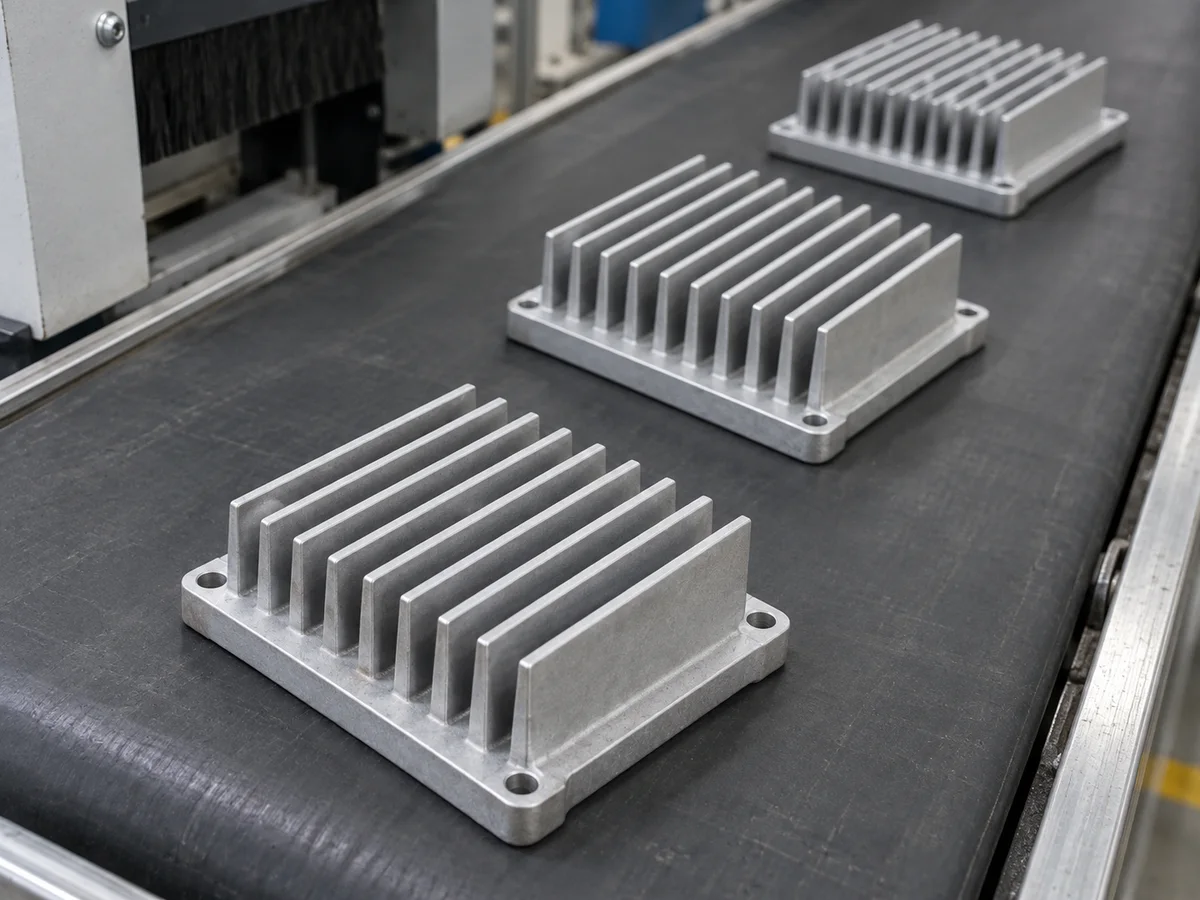
  • AI-generated illustration of controller heat sinks

    Controller heat sinks

Hydraulics

Industry overview
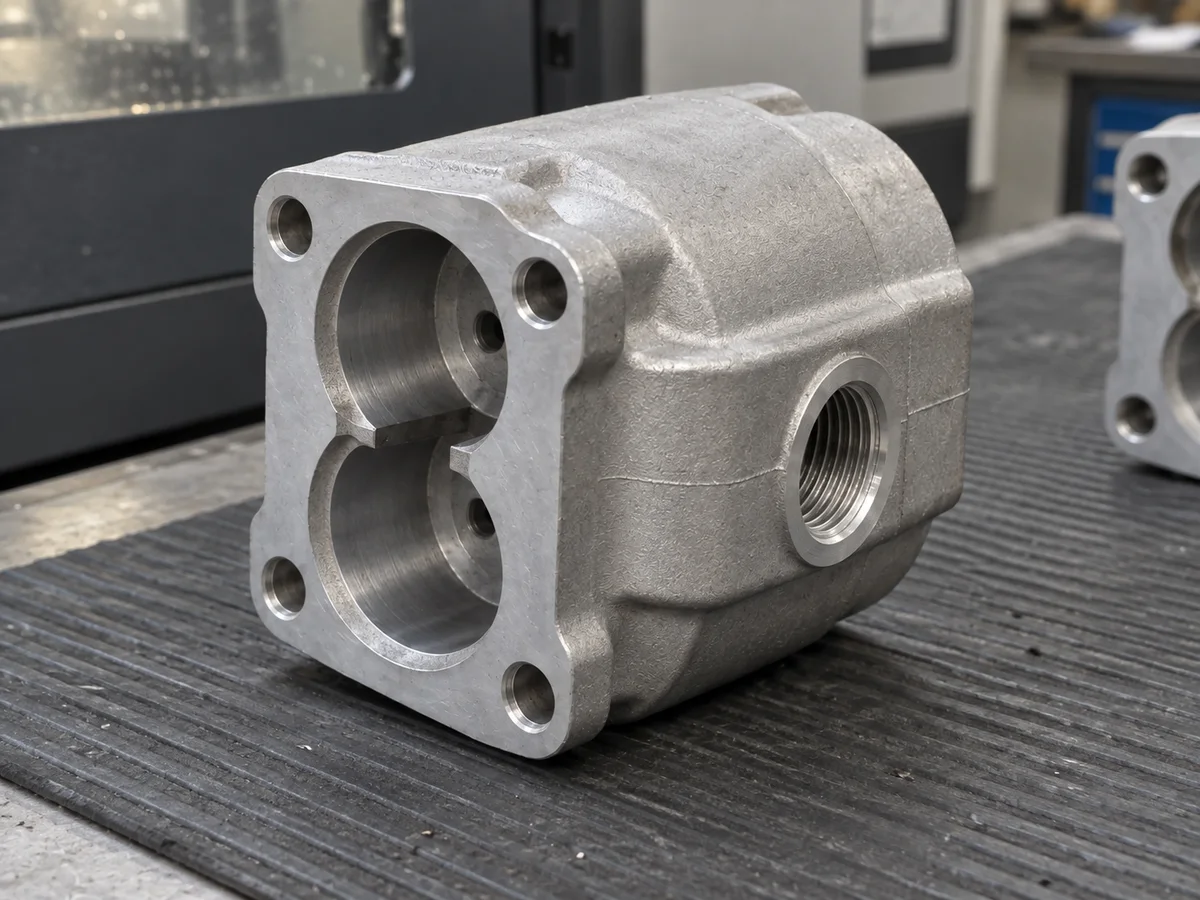
  • AI-generated illustration of small gear pump bodies

    Small gear pump bodies

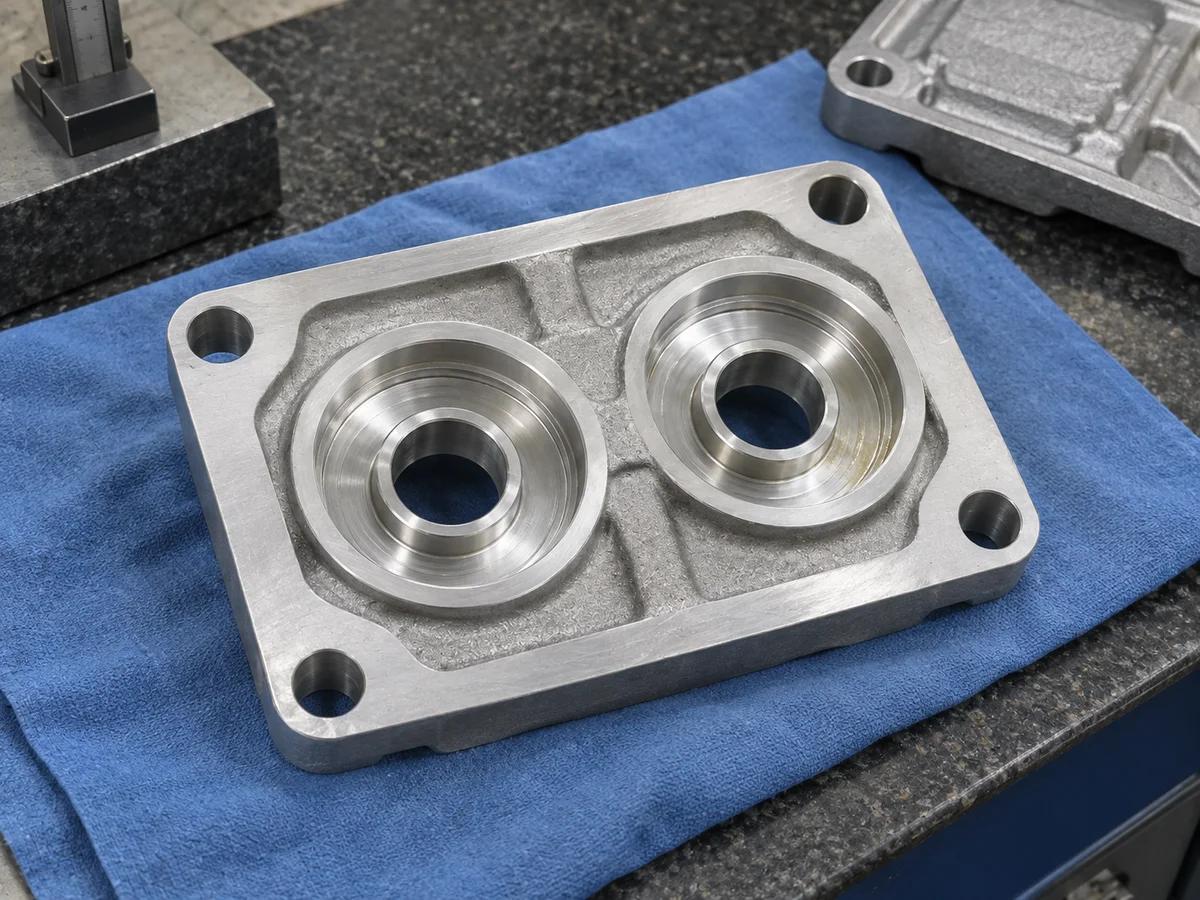
  • AI-generated illustration of gear pump covers

    Gear pump covers

  • AI-generated illustration of power-pack control enclosures

    Power-pack control enclosures

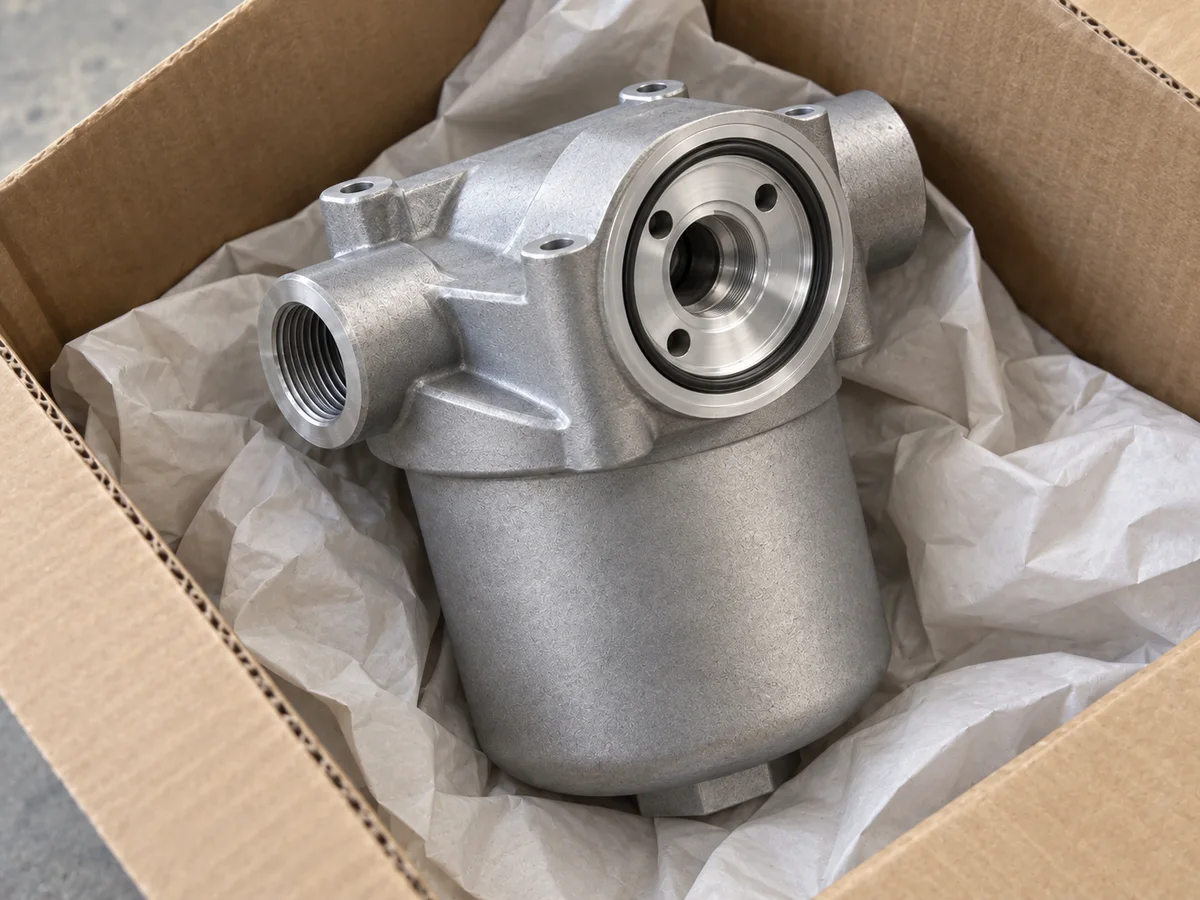
  • AI-generated illustration of hydraulic filter housings

    Hydraulic filter housings

Electrical & Switchgear

Industry overview
  • AI-generated illustration of industrial electrical enclosures

    Industrial electrical enclosures

  • AI-generated illustration of small motor end shields

    Small motor end shields

  • AI-generated illustration of drive-controller housings

    Drive-controller housings

  • AI-generated illustration of drive-controller heat sinks

    Drive-controller heat sinks

Automotive & Off-Highway

Industry overview
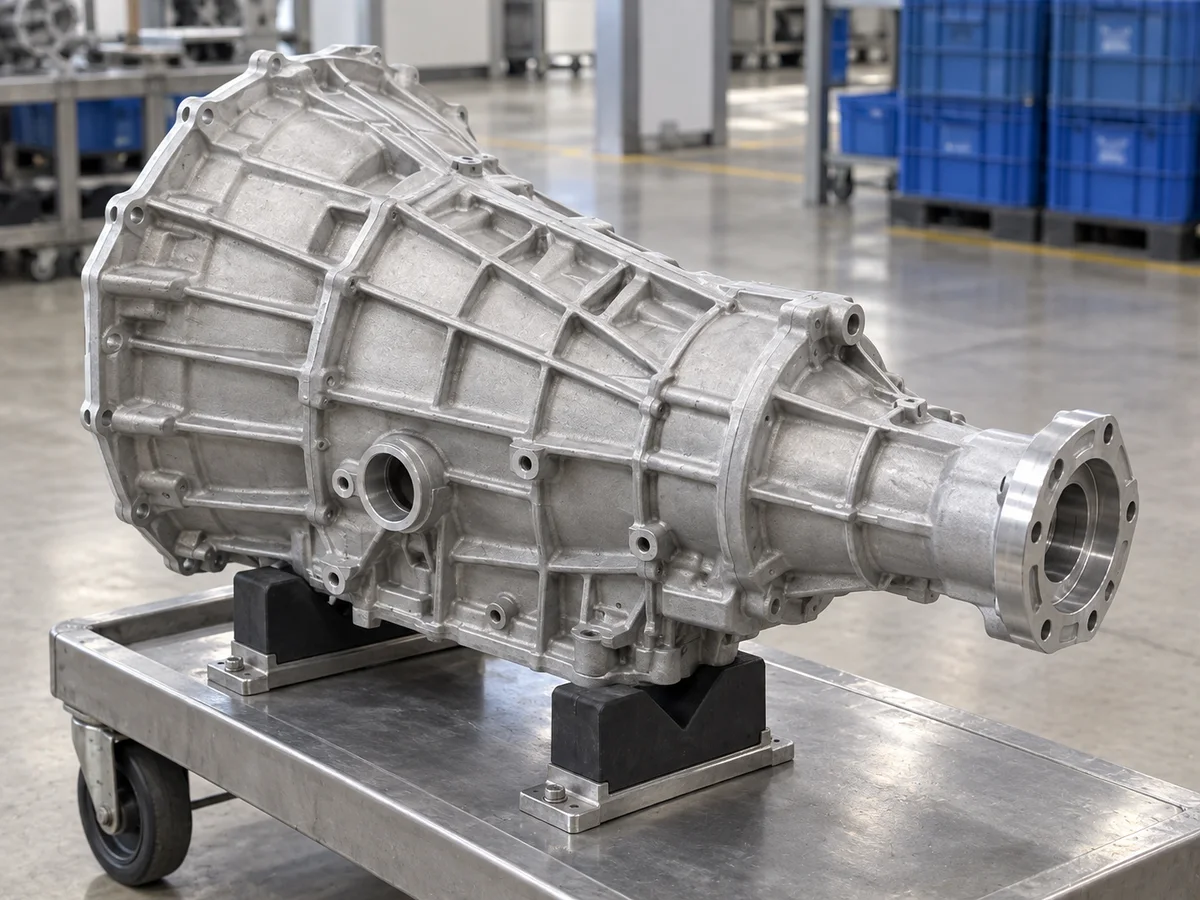
  • AI-generated illustration of transmission housings

    Transmission housings

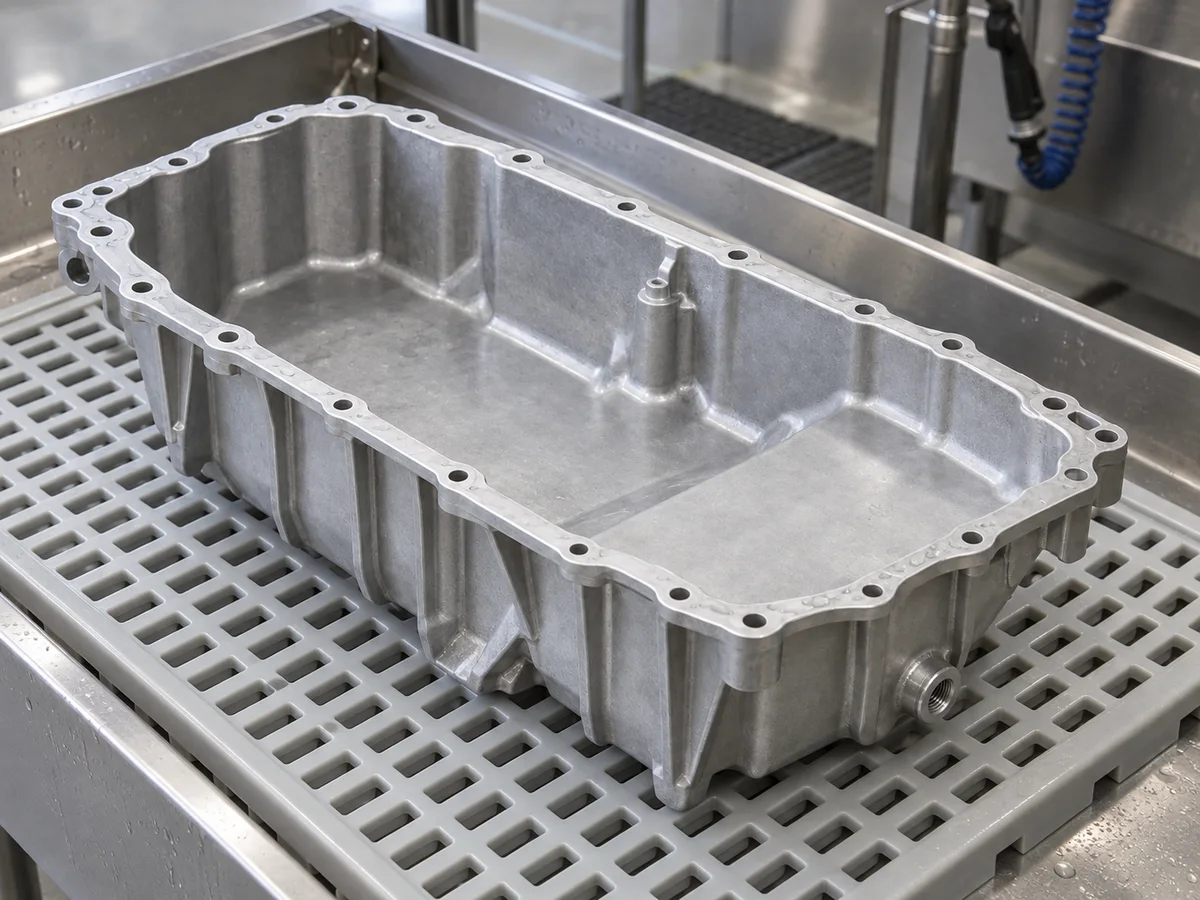
  • AI-generated illustration of engine oil sumps

    Engine oil sumps

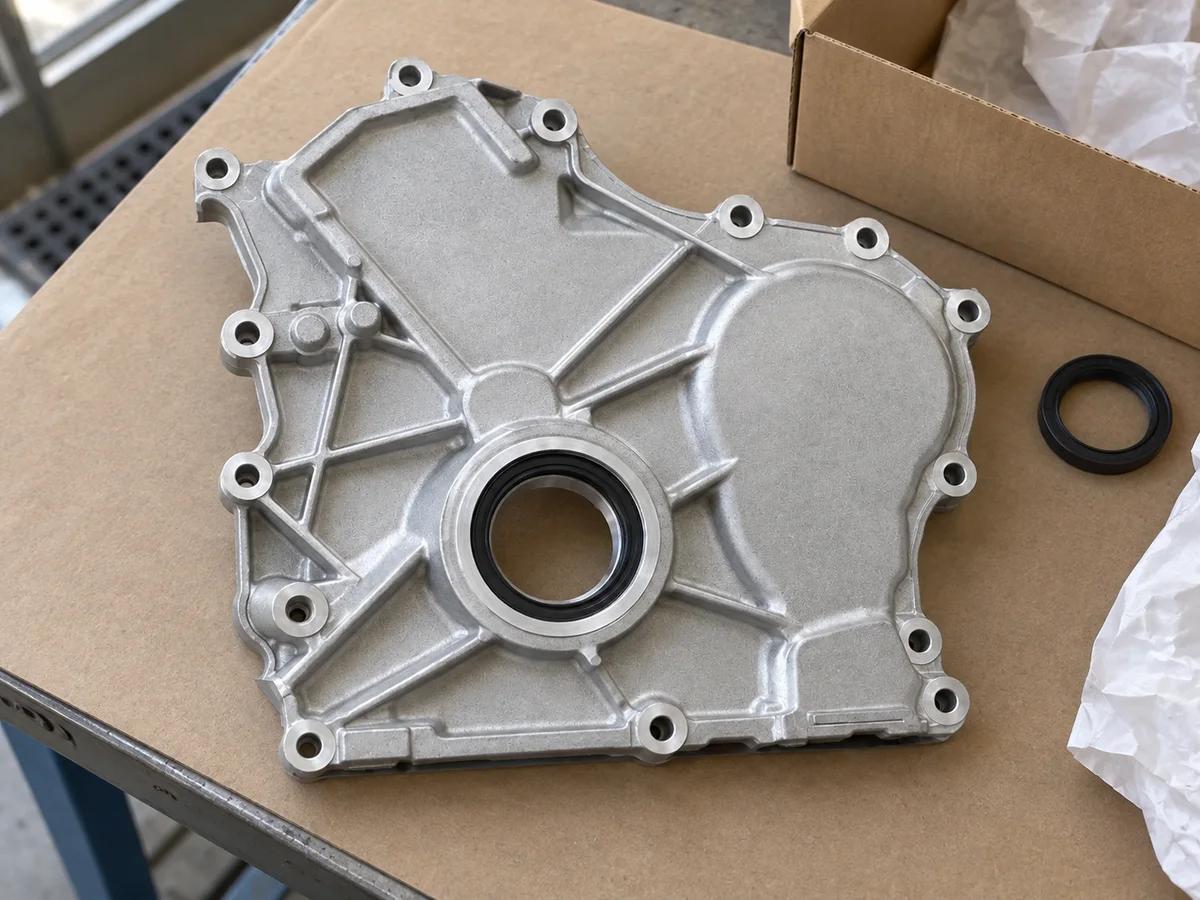
  • AI-generated illustration of timing covers

    Timing covers

  • AI-generated illustration of auxiliary motor housings

    Auxiliary motor housings

Choose aluminium or zinc

Weight, strength, surface finish and service conditions help determine the alloy. These references are a starting point for selecting the material your die and finished part need

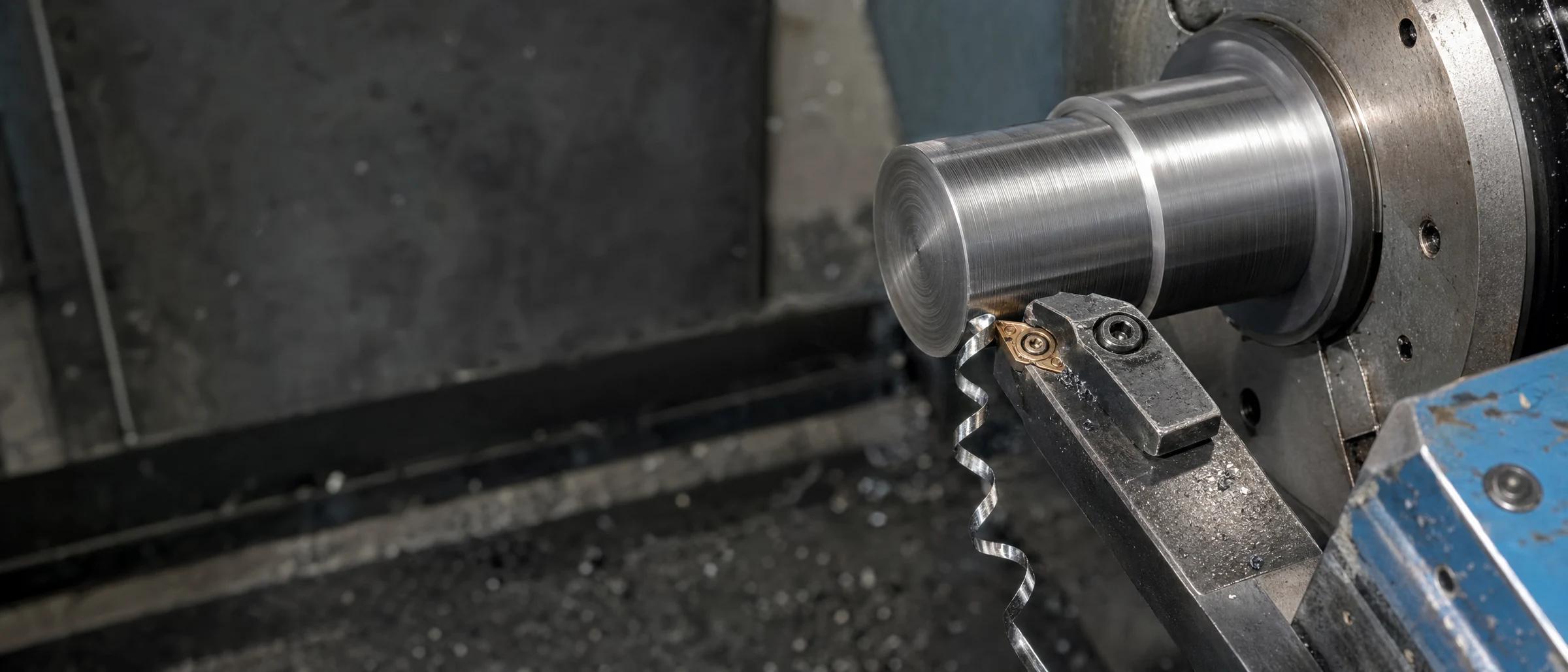
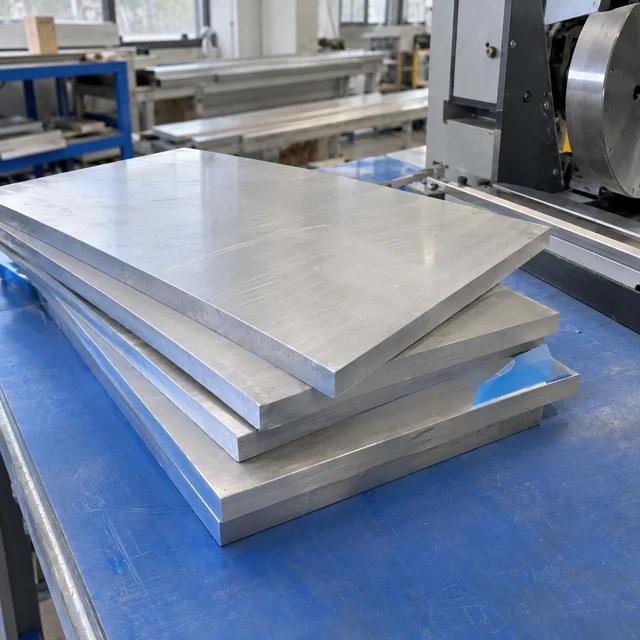
Clean plate offcuts beside a workshop saw

Aluminium

For housings and other components where weight is a consideration, with the alloy selected for the casting and service requirements.

  • EN AC-46100 (AlSi11Cu2(Fe))
  • EN AC-46000 (AlSi9Cu3(Fe))
  • EN AC-46500 (AlSi9Cu3(Fe)(Zn))
  • EN AC-47100 (AlSi12Cu1(Fe))
  • EN AC-44300 (AlSi12(Fe))
  • EN AC-43400 (AlSi10Mg(Fe))
  • A383.0
  • ADC12 (JIS H 5302)
  • ADC10 (JIS H 5302)
  • A413.0 family
  • LM6 (BS 1490)
  • A360.0
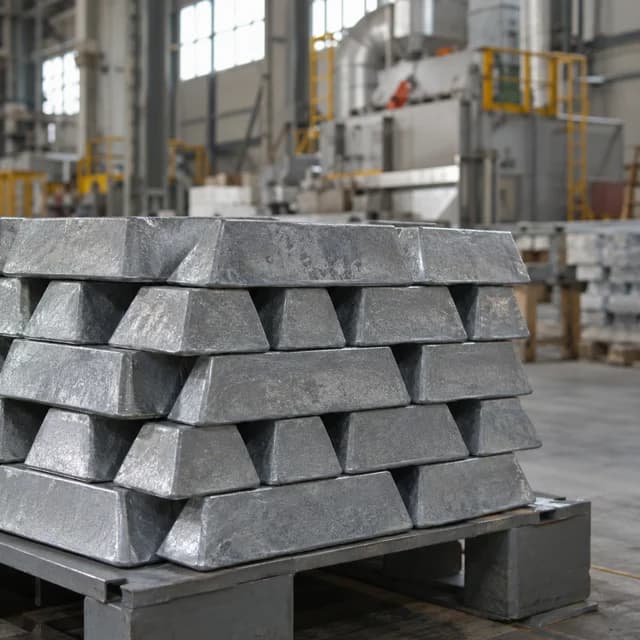
Silver ingots stacked on a warehouse pallet

Zinc

For detailed components and hardware, with finishing requirements considered alongside the casting alloy.

  • EN 12844 ZP3
  • EN 12844 ZP5
  • EN 12844 ZP2
  • EN 12844 ZP8
  • ASTM B86 Alloy 3 (Zamak 3)
  • ASTM B86 Alloy 5 (Zamak 5)
  • ASTM B86 Alloy 2 (Zamak 2)
  • ASTM B86 ZA-8
  • ASTM B86 ZA-12
  • ASTM B86 ZA-27

Need a different grade? We can review it against your specification. The references above are not interchangeable; the exact grade, supply condition and certification are confirmed for your order.

Make the casting ready for assembly

After casting and trimming, machining completes critical holes and sealing faces. Inserts and protective finishes can then be added to suit the assembly

Machining

Finish bores, threads and gasket faces from the agreed locating surfaces.

Coatings

Apply compatible paint, powder or conversion coatings, masking critical fits and sealing areas.

Inserts and fitted parts

Add specified inserts, bushes and other items needed by the assembly.

Packing and delivery

Protect cosmetic and machined surfaces, and label packs for your receiving requirements.

Develop the die, then repeat the process

Die design and trials come before production approval. The trial parts establish dimensions and any porosity or leak-test requirements for subsequent batches

  1. Define the finished part

    Confirm alloy, wall thickness, ribs and any areas that must hold pressure.

  2. Develop the die

    Design the tool to fill, cool and release the part, including any moving features.

  3. Approve trial parts

    Check dimensions and specified internal quality or leak-test results before production approval.

  4. Cast and trim

    Produce parts using the approved die and process, then remove excess metal.

  5. Machine and finish

    Complete holes, sealing faces, inserts and coatings required by the drawing.

  6. Inspect and deliver

    Complete the agreed checks and pack the parts with their specified records.

Check fit and pressure-tight features

Not every area of a die casting has the same duty. We define the critical dimensions and any internal-quality or leak-test criteria for the areas that matter

Inspection options and the records that can be specified
What is checkedHow it is verifiedSupporting record
Material and heat identityMatch the specified grade and heat or batch reference to material certificates, chemistry and the required supply condition.Material certificate linked to the heat or batch
Drawing characteristicsLayout inspection, gauges or coordinate measurement suited to the feature.Dimensional or first-article report
Porosity in defined zonesX-ray or CT where specified, evaluated against agreed locations and acceptance limits.Agreed porosity inspection report
Pressure-tight featuresLeak testing using the medium, pressure and acceptance limit specified for the component.Leak-test record
Material and heat identity
How it is verified

Match the specified grade and heat or batch reference to material certificates, chemistry and the required supply condition.

Supporting record

Material certificate linked to the heat or batch

Drawing characteristics
How it is verified

Layout inspection, gauges or coordinate measurement suited to the feature.

Supporting record

Dimensional or first-article report

Porosity in defined zones
How it is verified

X-ray or CT where specified, evaluated against agreed locations and acceptance limits.

Supporting record

Agreed porosity inspection report

Pressure-tight features
How it is verified

Leak testing using the medium, pressure and acceptance limit specified for the component.

Supporting record

Leak-test record

The inspection plan confirms which checks and documents your order includes. Include any required certificate types, test methods, report formats or independent inspection in your enquiry so the quotation covers them.

Frequently asked questions

Tooling, casting quality and production volumes

Plan your die-cast component

Share your drawing, alloy, expected quantities and any cosmetic or pressure-tight requirements. We’ll review the tooling and finished-part scope