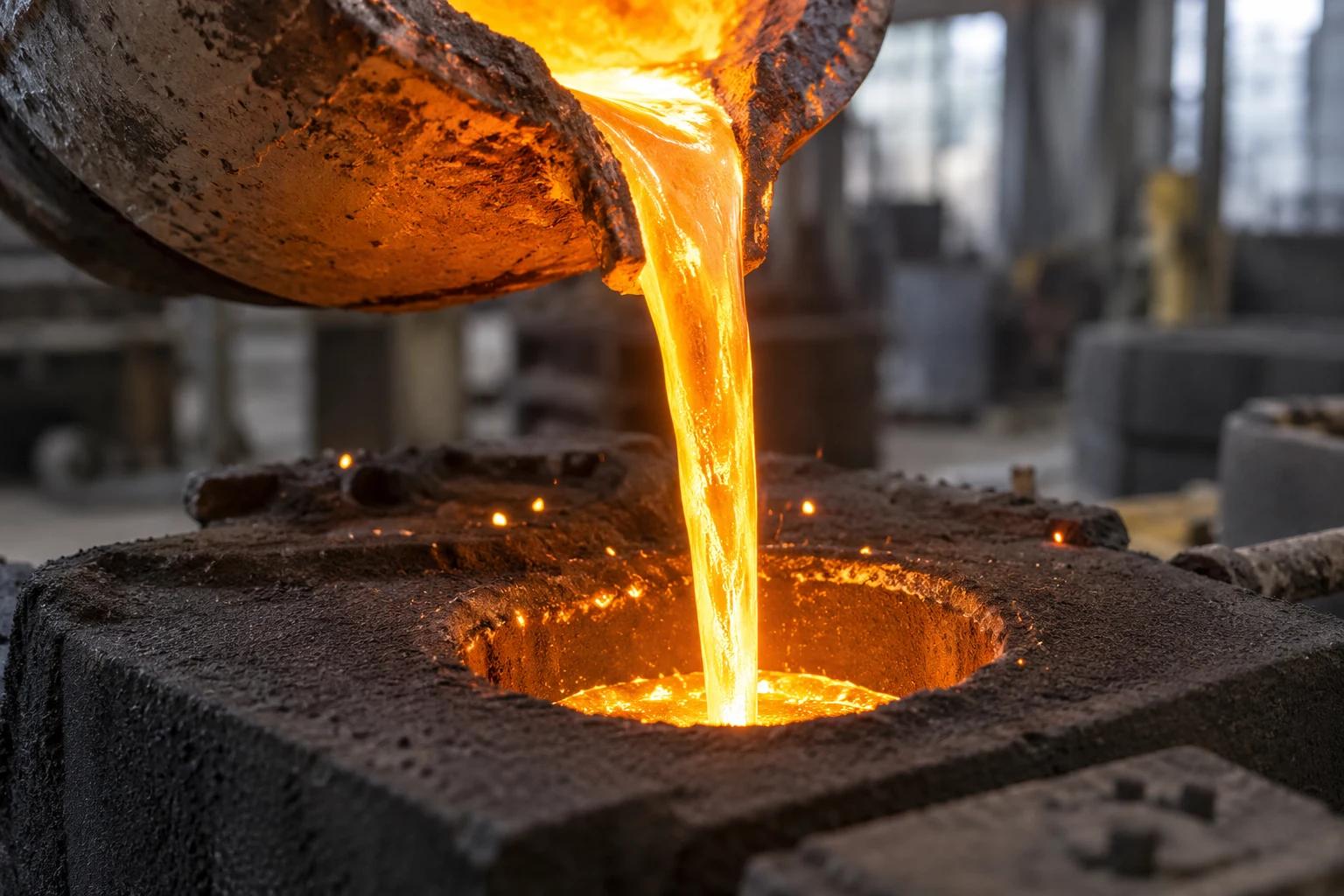
Illustrative close-up of molten metal pouring into a sand mould

Sand casting

Iron castings for housings, bodies and components with internal passages. Supplied with the machining, treatment and inspection your drawing requires

Request a quote

What is sand casting?

Sand casting forms a metal part by pouring molten metal into a sand mould. Cores create internal passages and cavities; the mould is removed once the metal has cooled.

What to consider

The casting forms the main shape. Tight fits and sealing surfaces usually need machining, so the finished drawing should guide both operations.

  • Complex shapes, inside and out

    Bodies, mounting features and internal passages can be formed together in a casting.

  • Material chosen for the duty

    Grey and ductile iron options let the specification reflect the strength and service needs of the part.

  • Precision where it matters

    Bores, threads and sealing faces can be machined after casting to achieve the required fit.

Where sand casting is used

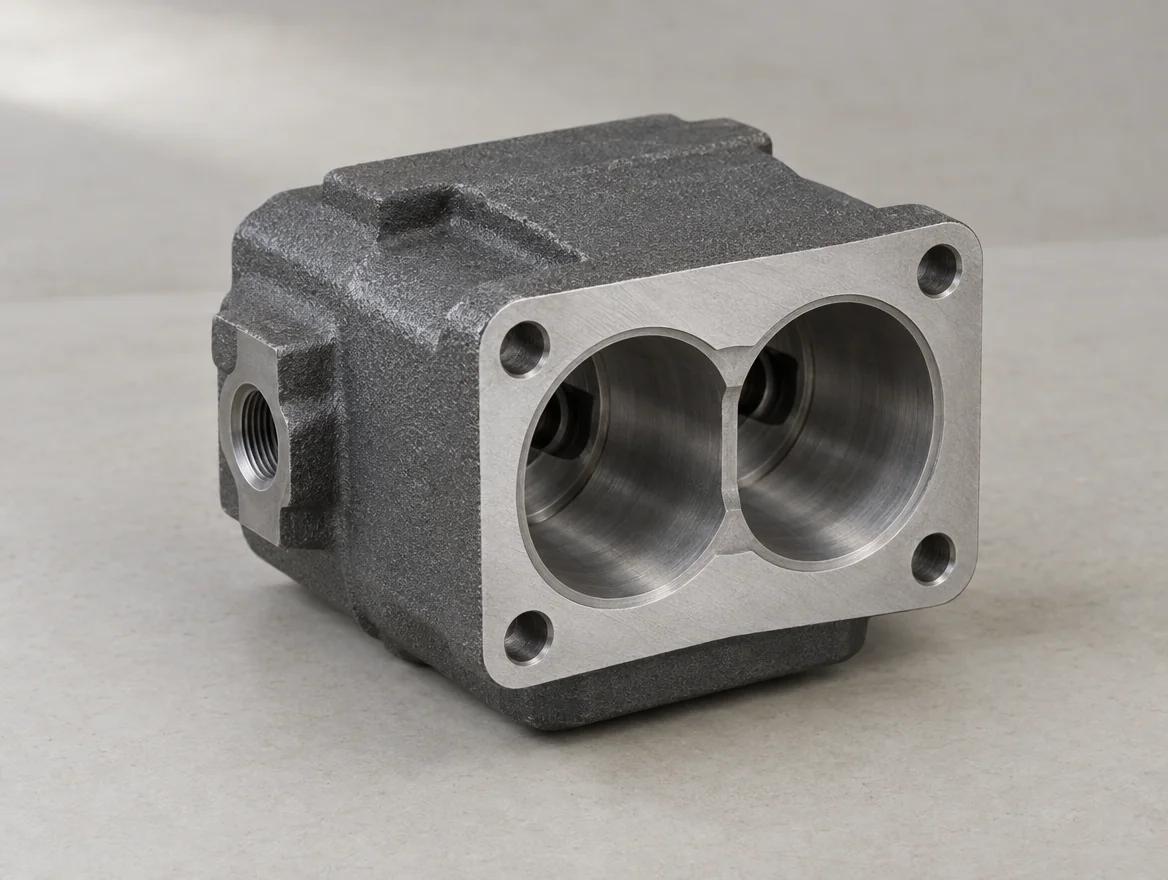
Pump bodies, housings and similar parts combine an outer shape with internal spaces and machined connections. These examples show how sand casting supports that combination

Cooling & HVAC

Industry overview
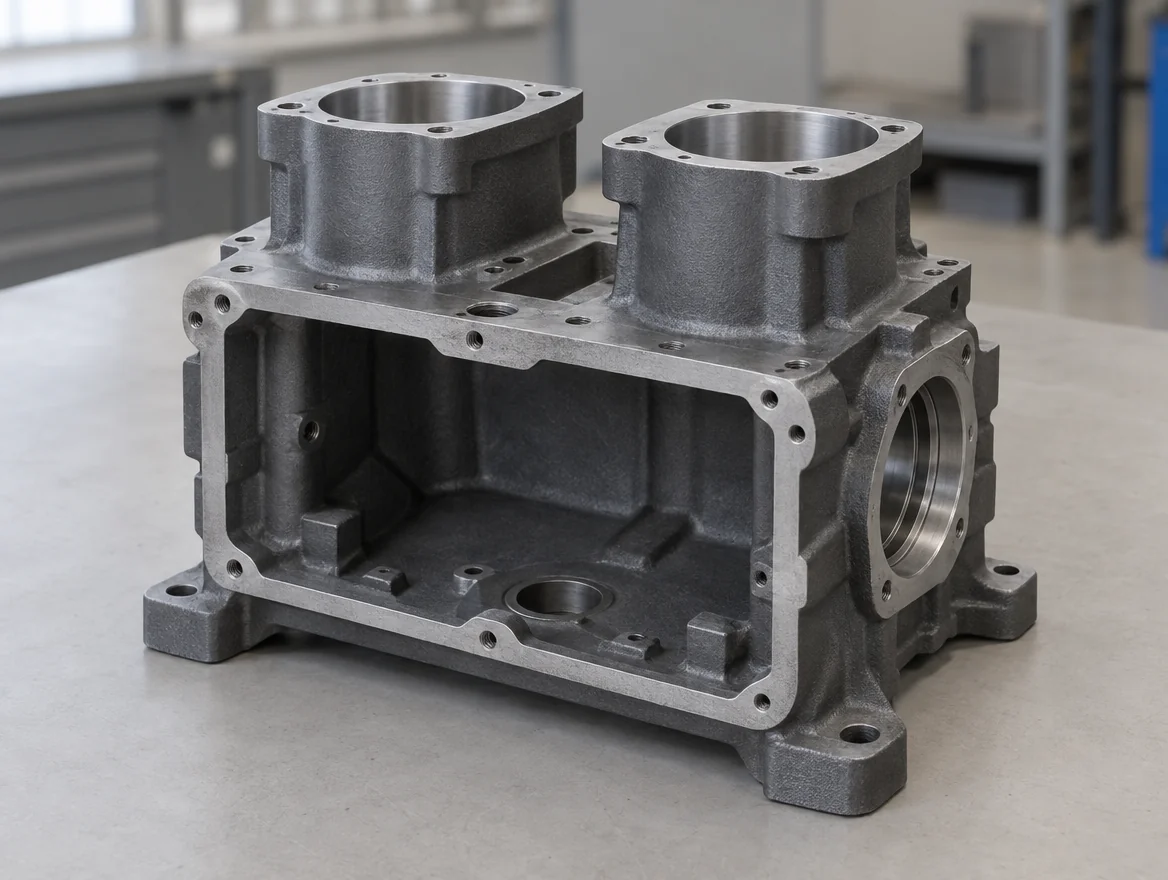
  • AI-generated illustration of compressor crankcases

    Compressor crankcases

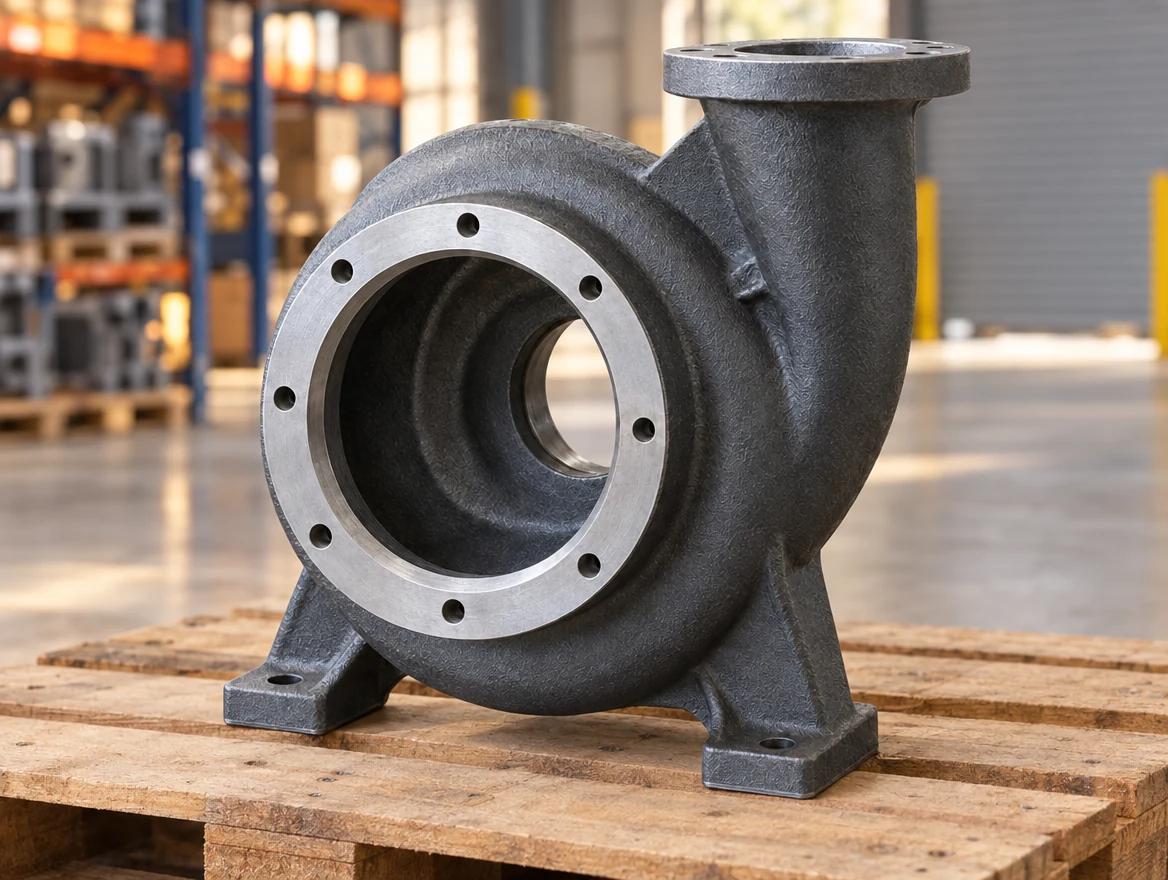
  • AI-generated illustration of chilled-water pump volutes

    Chilled-water pump volutes

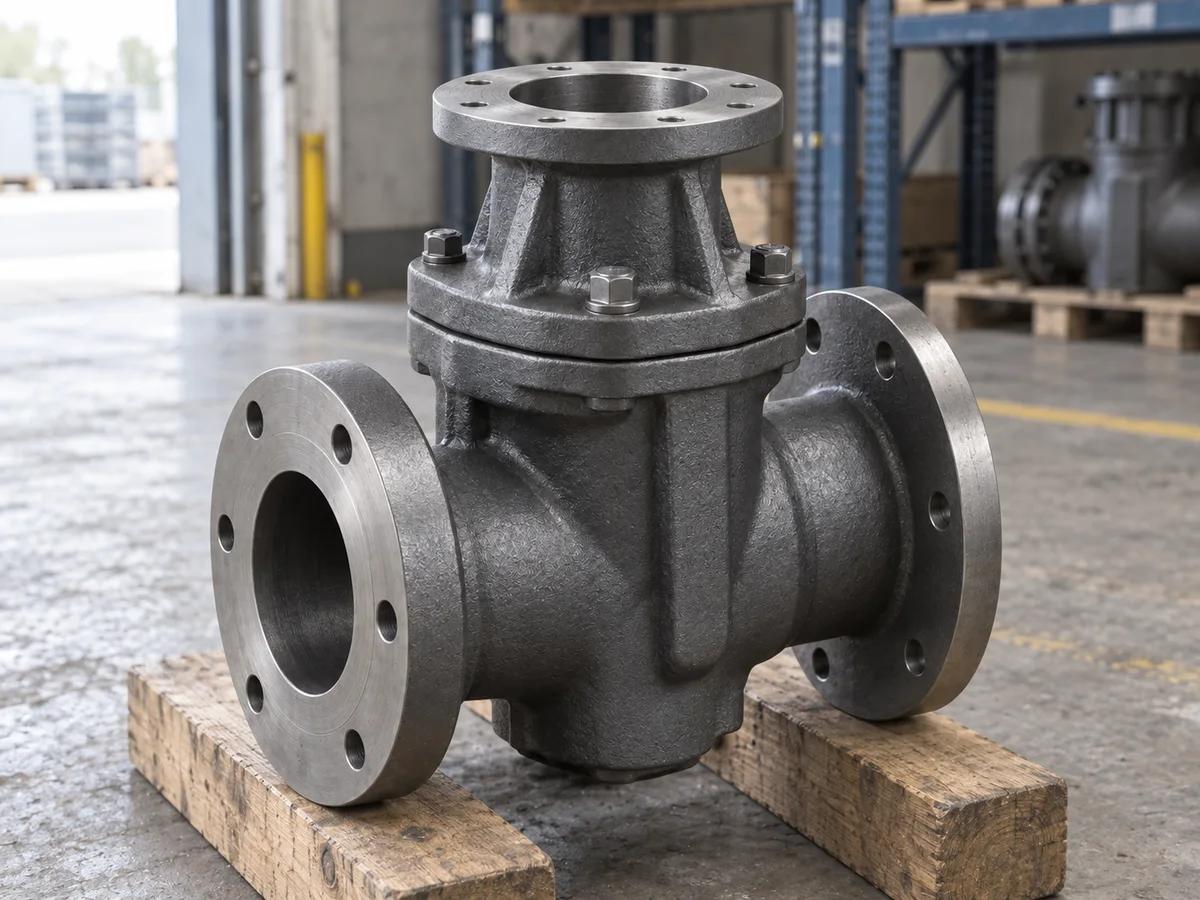
  • AI-generated illustration of cooling-water valve bodies and bonnets

    Cooling-water valve bodies and bonnets

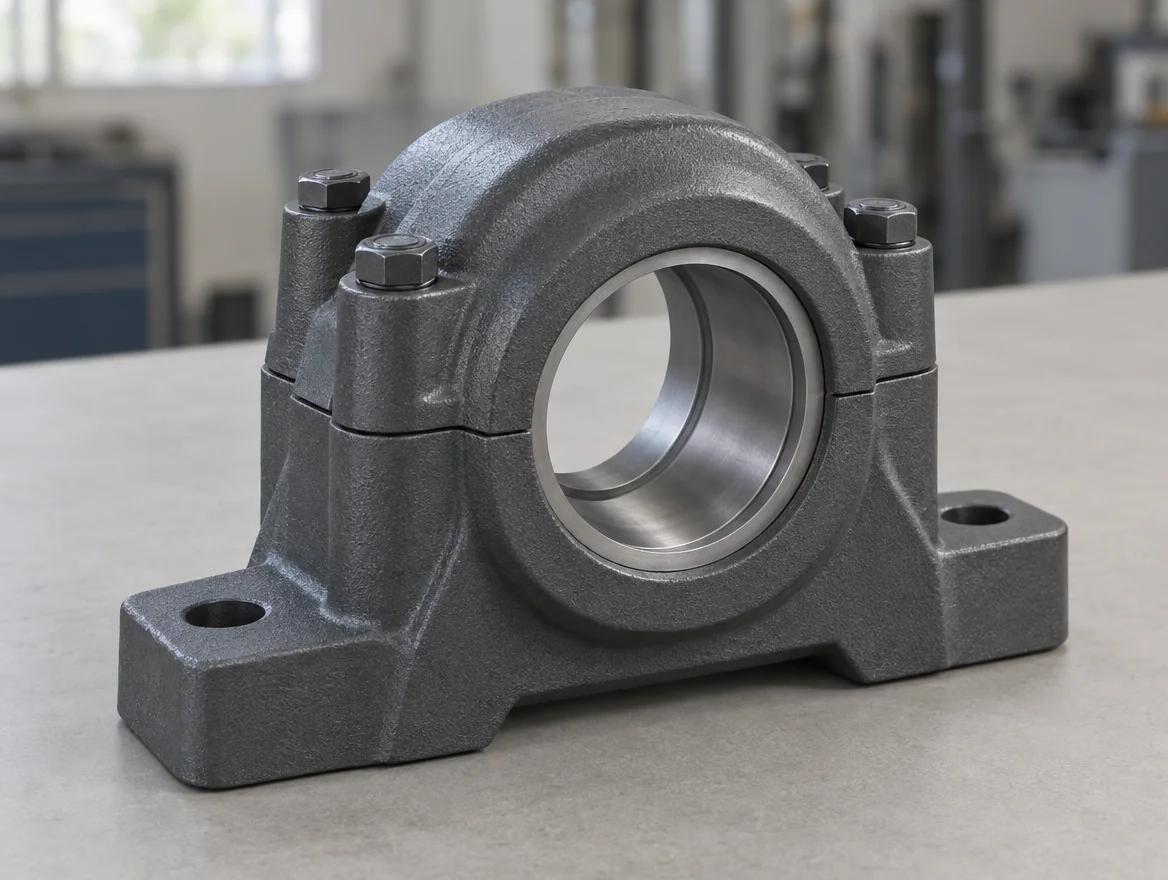
  • AI-generated illustration of compressor bearing housings

    Compressor bearing housings

Hydraulics

Industry overview
  • AI-generated illustration of gear pump bodies

    Gear pump bodies

  • AI-generated illustration of isolation valve bodies and bonnets

    Isolation valve bodies and bonnets

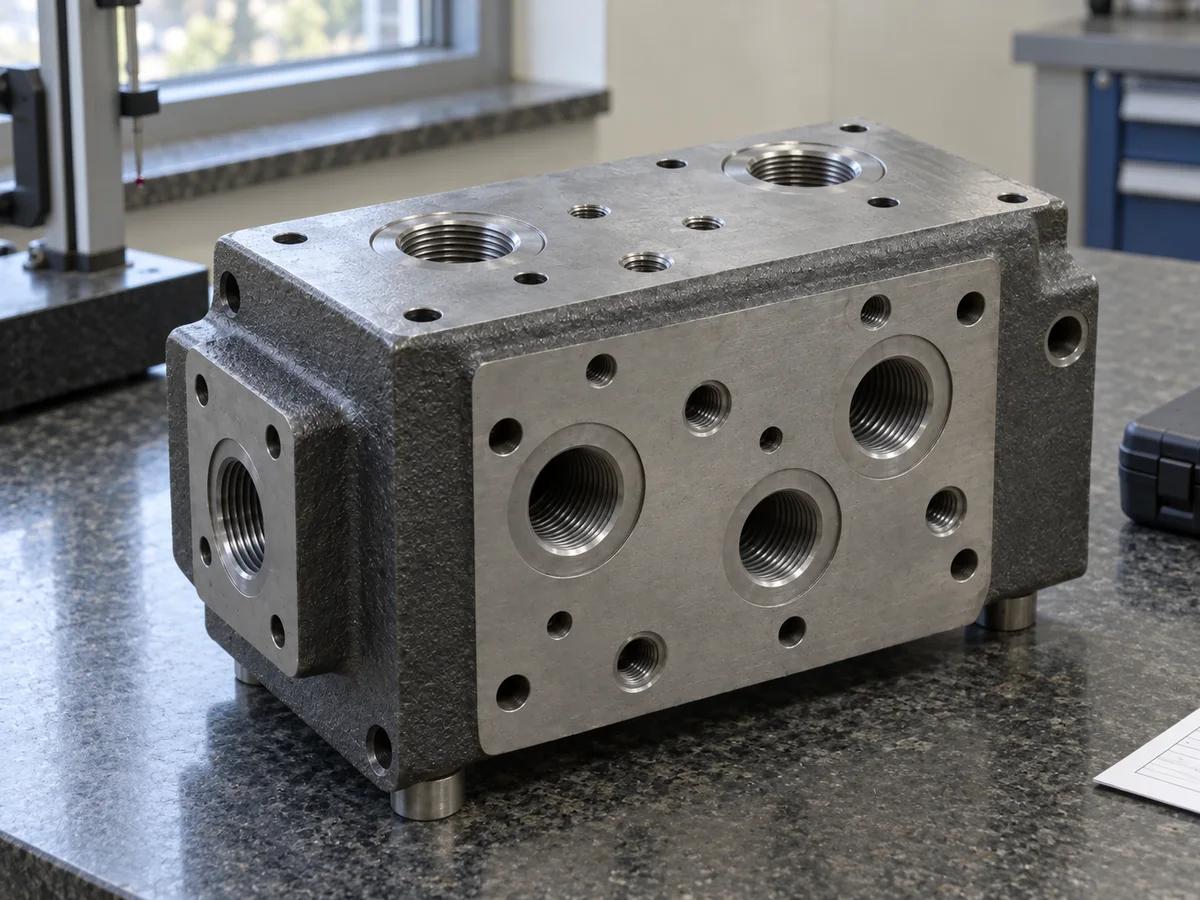
  • AI-generated illustration of cored hydraulic manifold bodies

    Cored hydraulic manifold bodies

  • AI-generated illustration of gate valve bonnets

    Gate valve bonnets

Automotive & Off-Highway

Industry overview
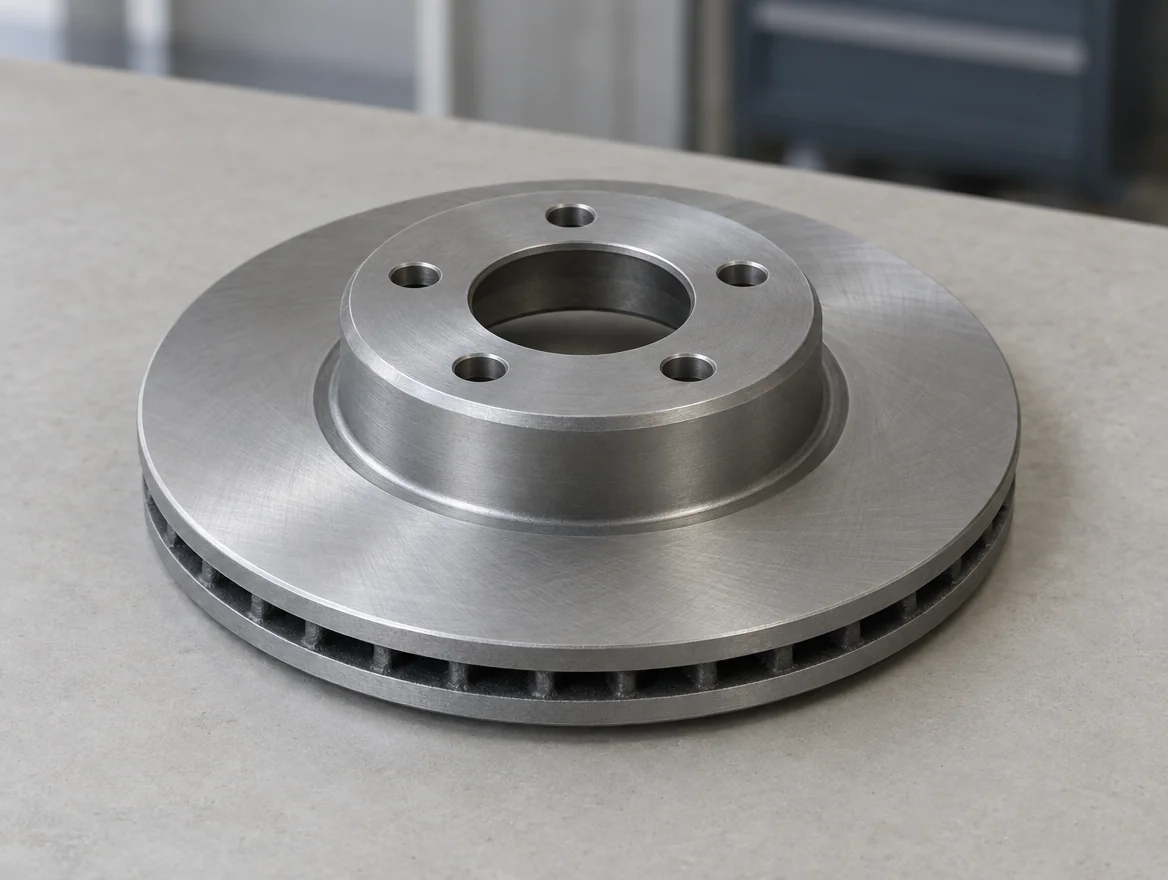
  • AI-generated illustration of brake discs

    Brake discs

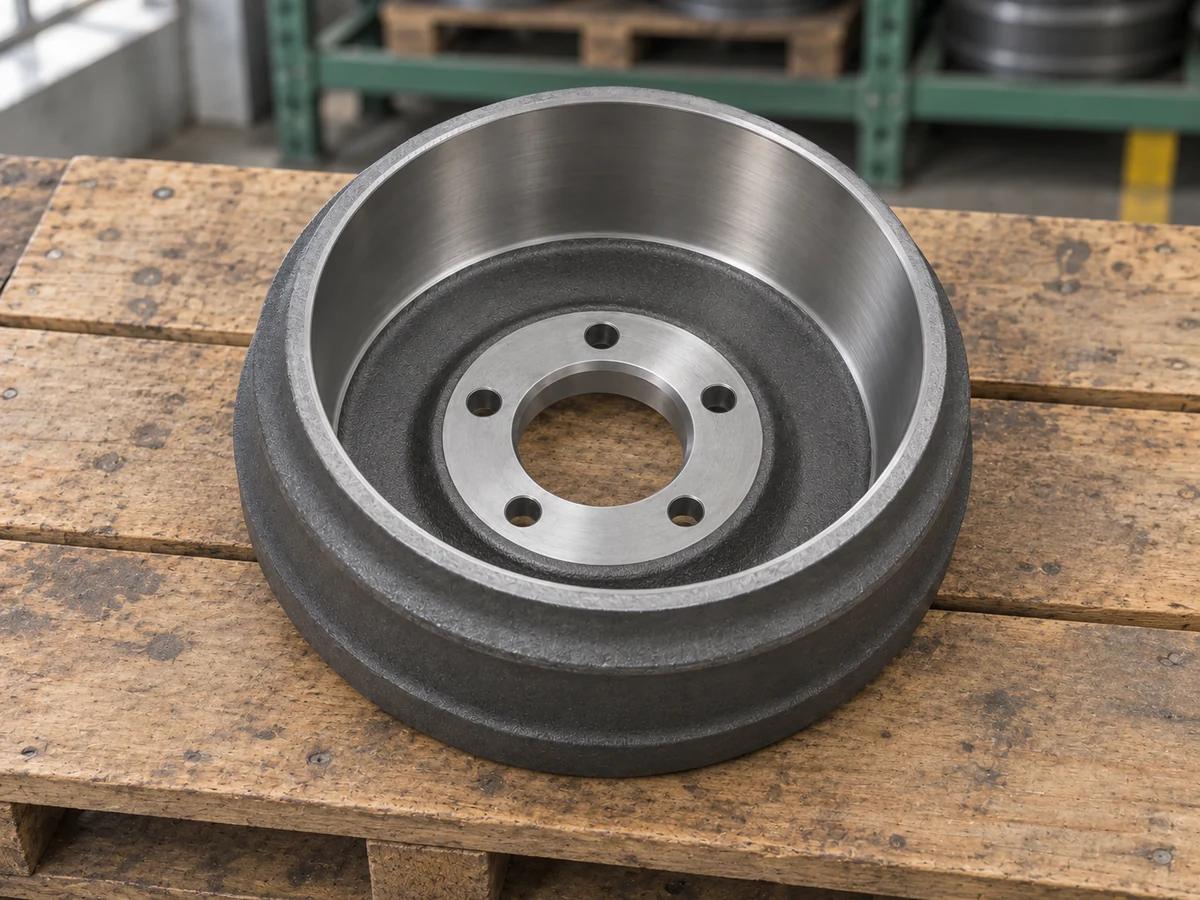
  • AI-generated illustration of brake drums

    Brake drums

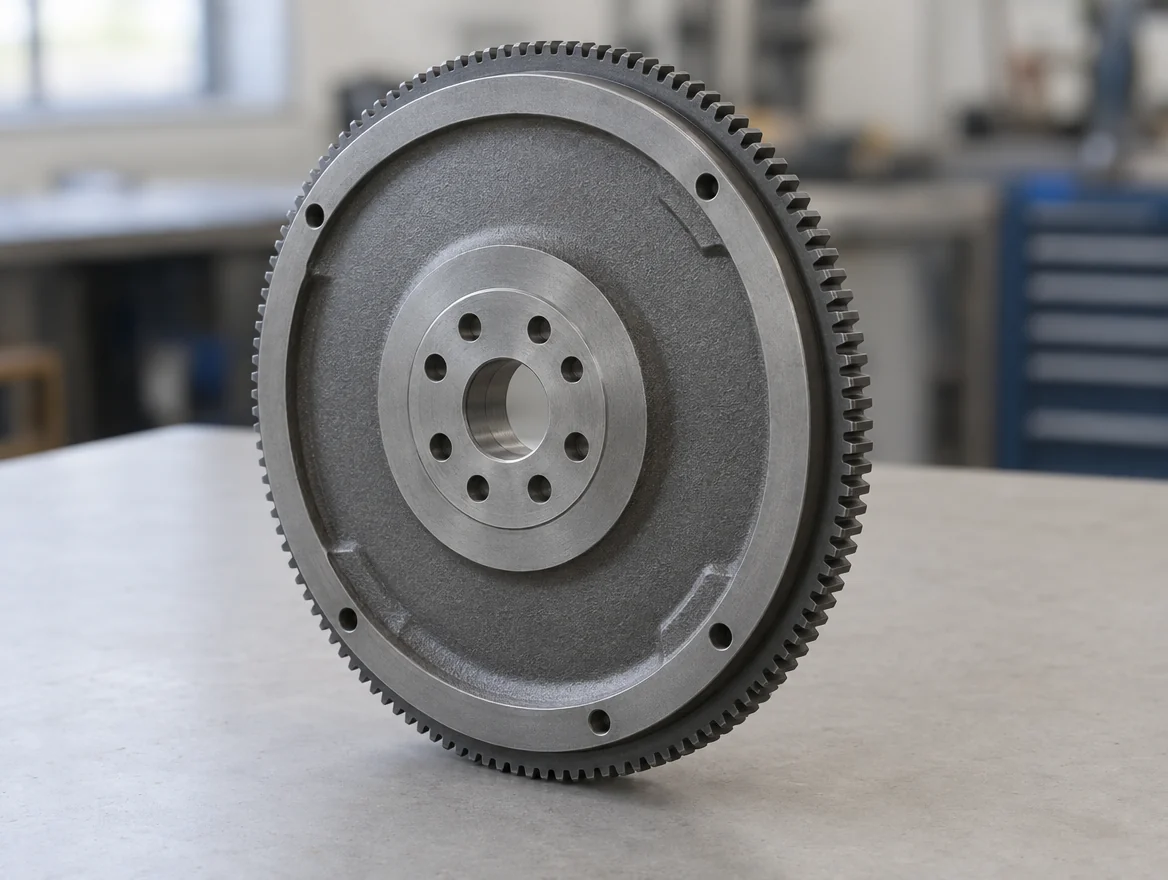
  • AI-generated illustration of flywheels

    Flywheels

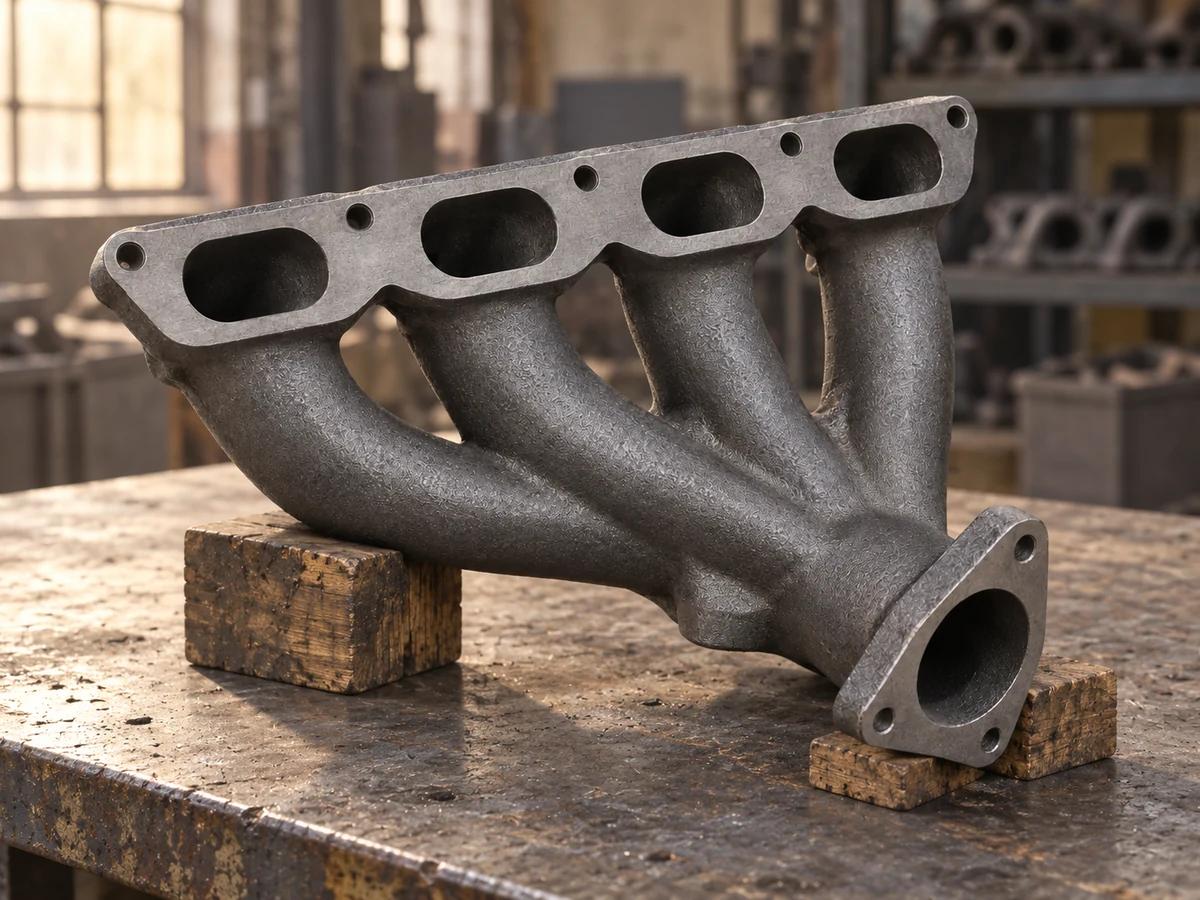
  • AI-generated illustration of exhaust manifolds

    Exhaust manifolds

Agricultural Equipment

Industry overview
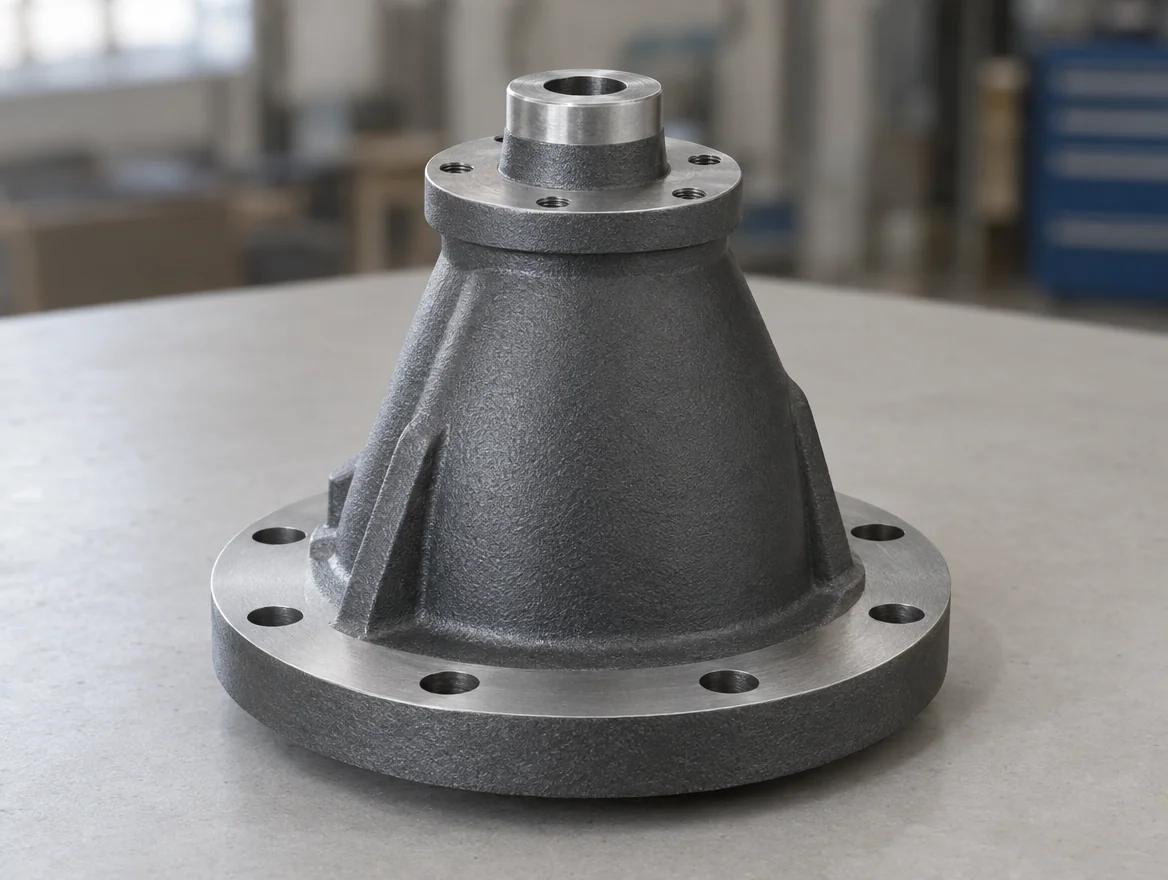
  • AI-generated illustration of tractor transmission housings

    Tractor transmission housings

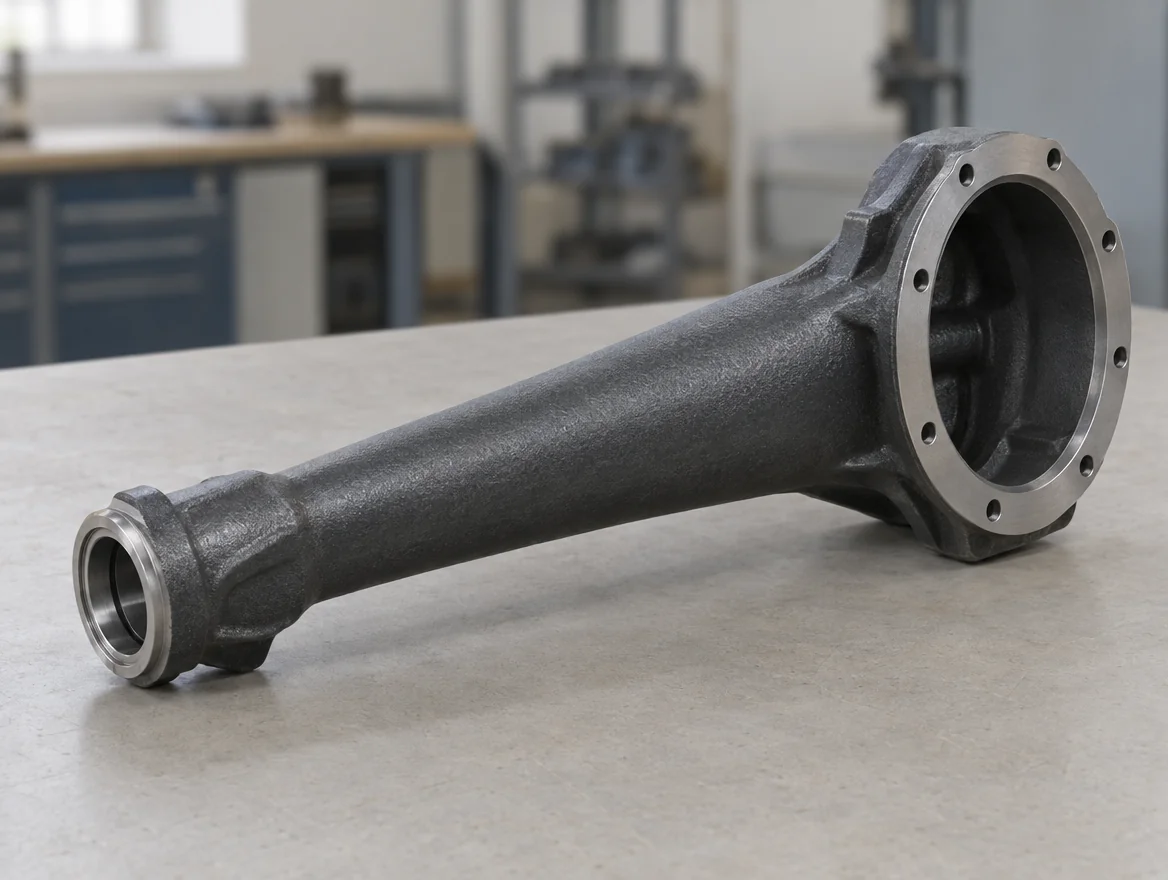
  • AI-generated illustration of tractor axle housings

    Tractor axle housings

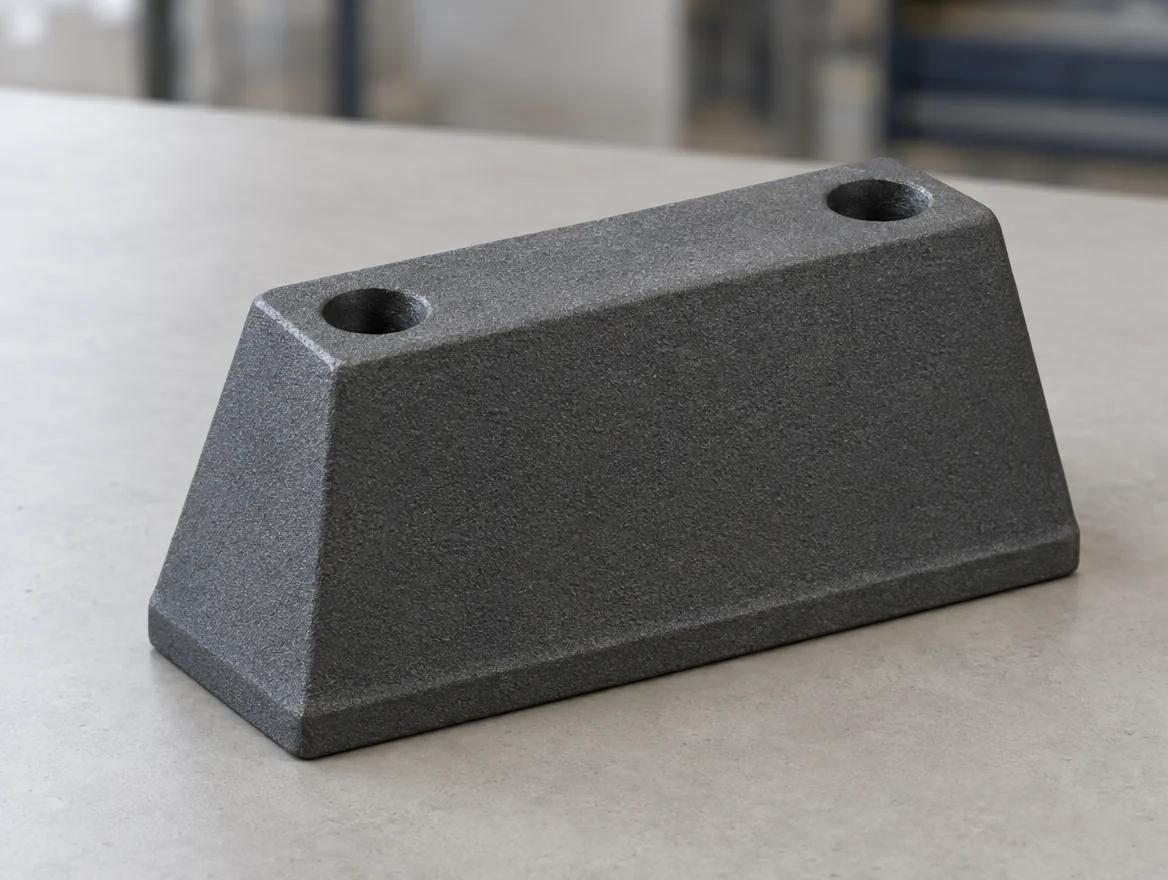
  • AI-generated illustration of tractor ballast weights

    Tractor ballast weights

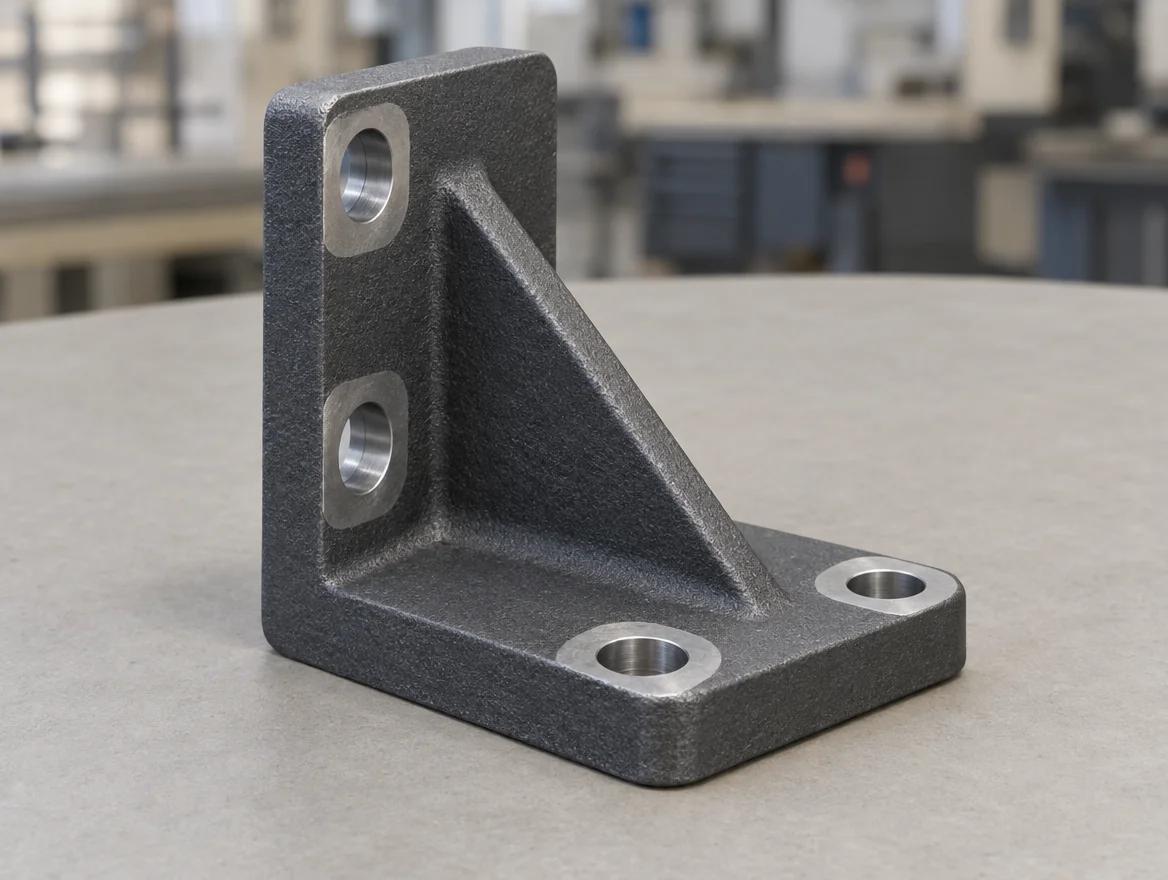
  • AI-generated illustration of hitch mounting brackets

    Hitch mounting brackets

General Engineering

Industry overview
  • AI-generated illustration of industrial pump casings

    Industrial pump casings

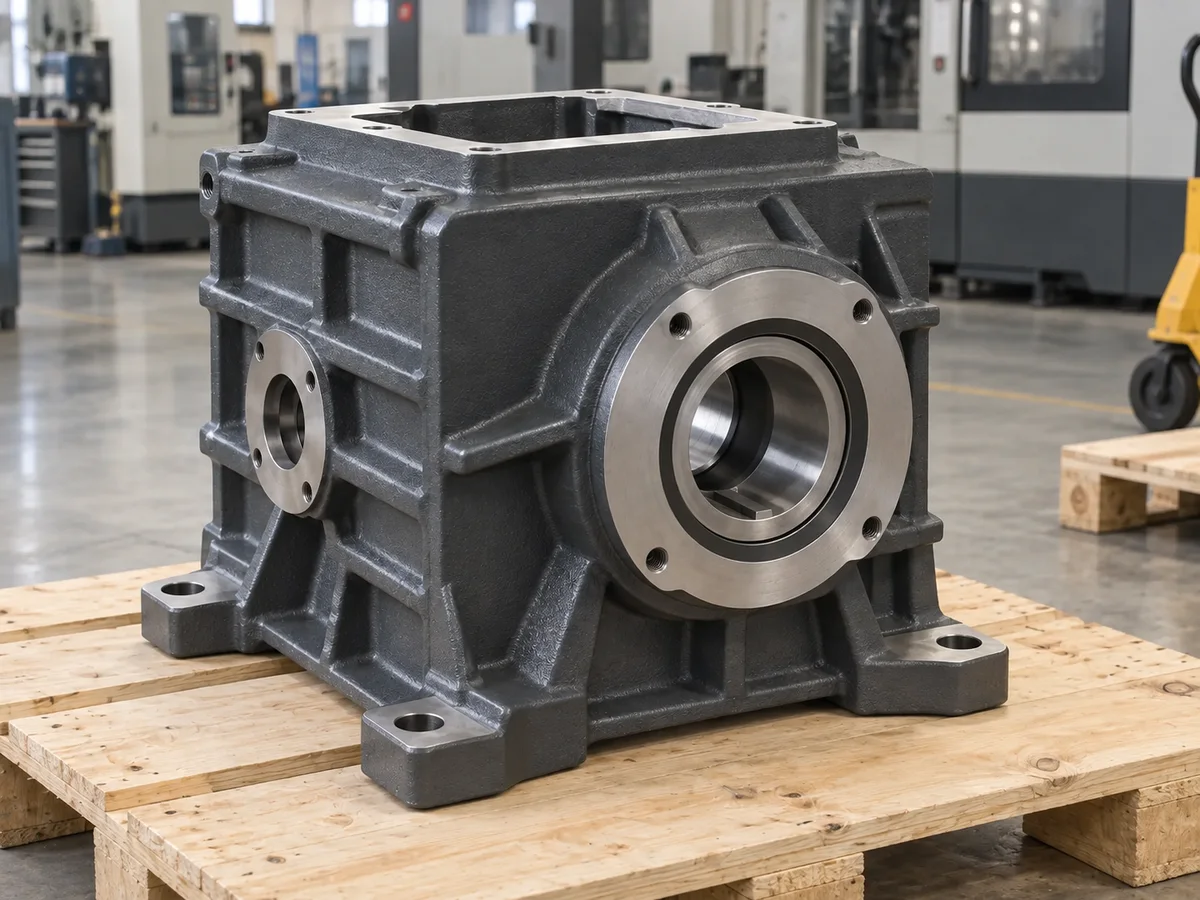
  • AI-generated illustration of machine gearbox housings

    Machine gearbox housings

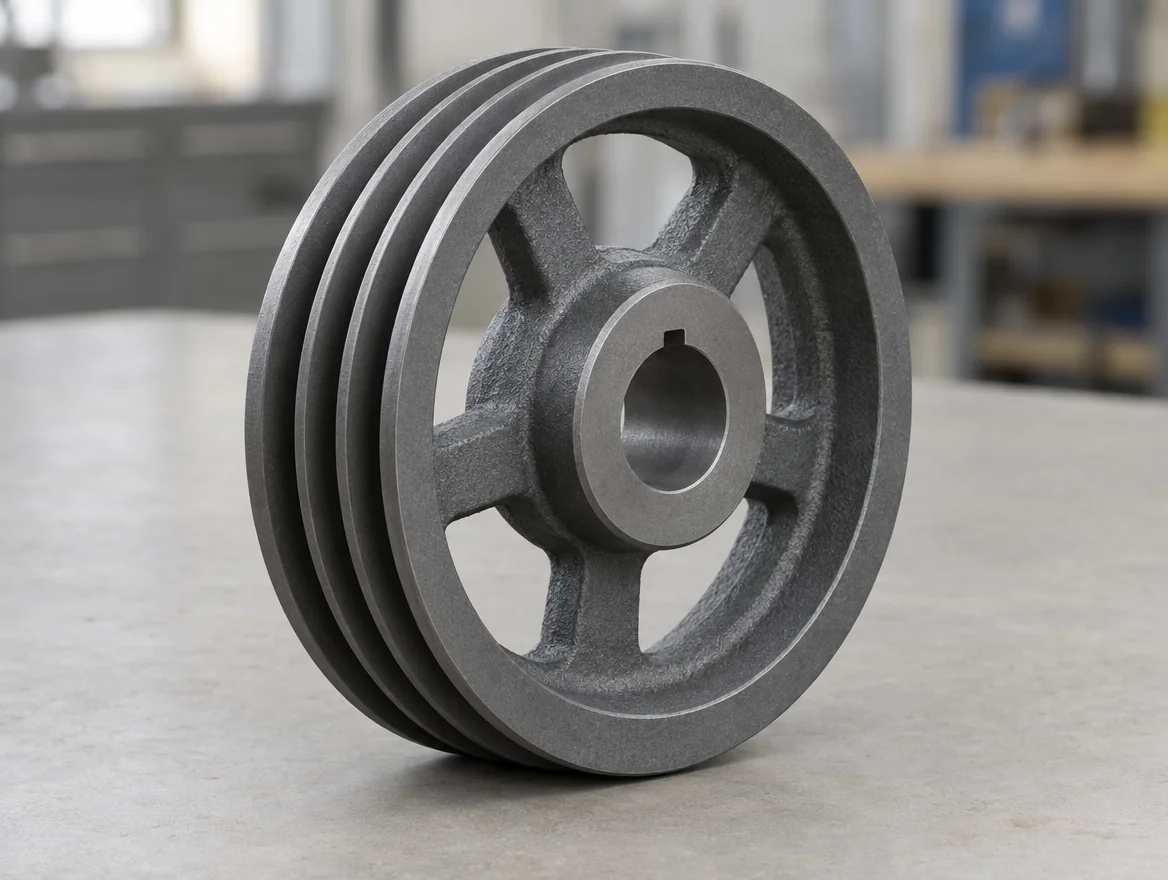
  • AI-generated illustration of belt pulleys and sheaves

    Belt pulleys and sheaves

  • AI-generated illustration of bearing support housings

    Bearing support housings

Choose the iron for the application

The part’s loads and operating conditions guide the choice between grey and ductile iron. Use these grade references to discuss the required strength and final material condition

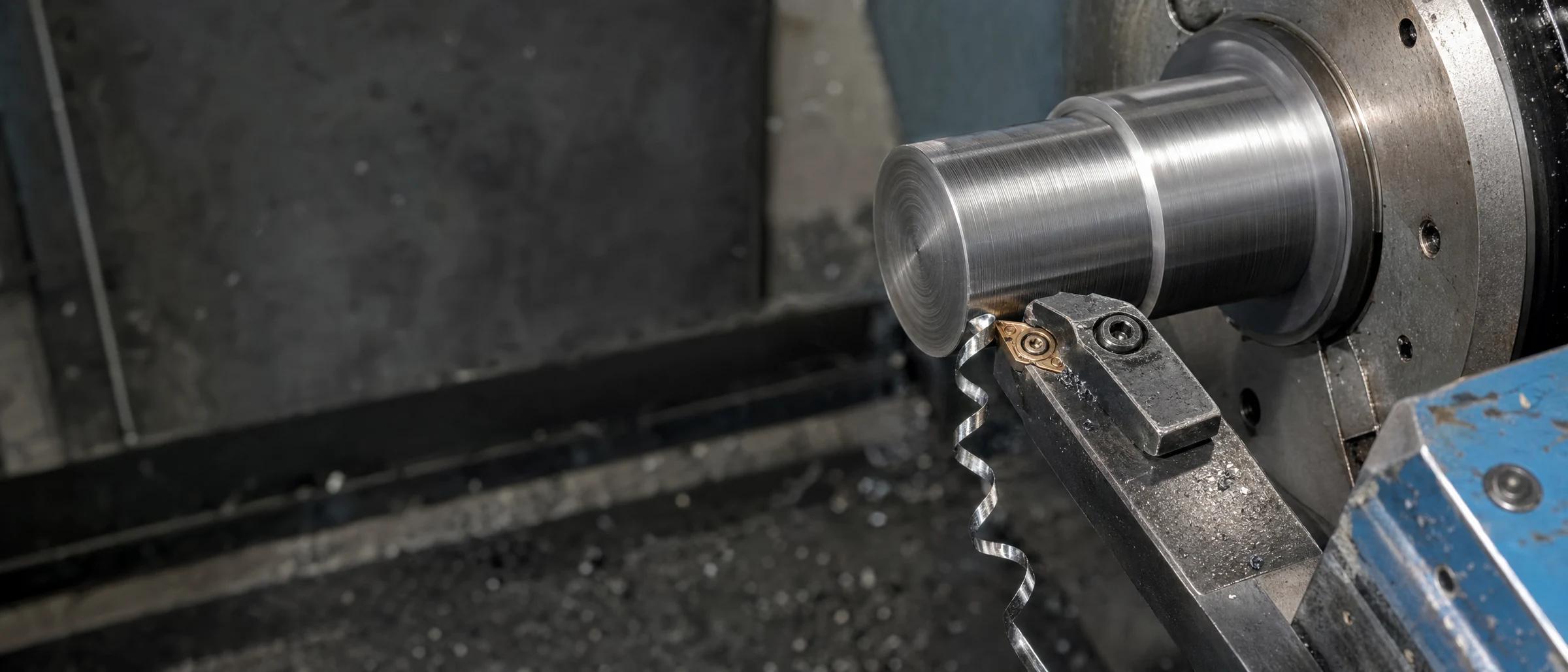
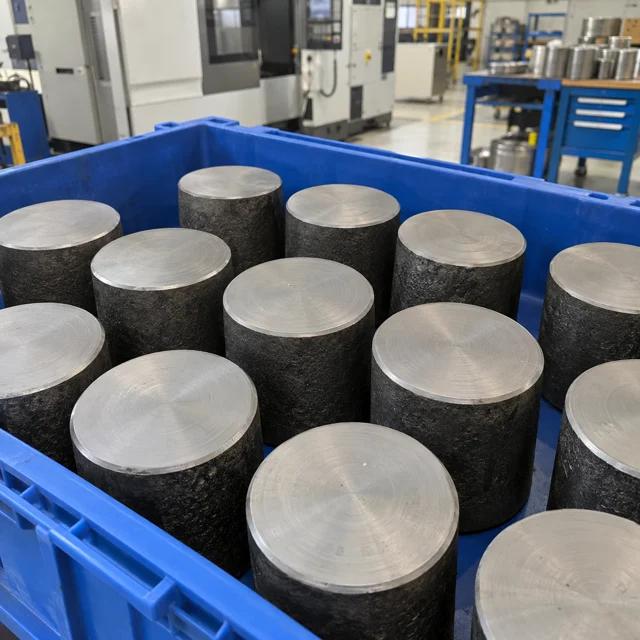
Cast cylindrical blanks with turned ends in a workshop tray

Ductile iron

For components whose specification calls for strength and ductility, such as loaded housings and brackets.

  • EN-GJS-400-15
  • EN-GJS-400-18
  • EN-GJS-500-7
  • EN-GJS-600-3
  • EN-GJS-700-2
  • EN-GJS-800-2
  • ASTM A536 60-40-18
  • ASTM A536 65-45-12
  • ASTM A536 80-55-06
  • ASTM A536 100-70-03
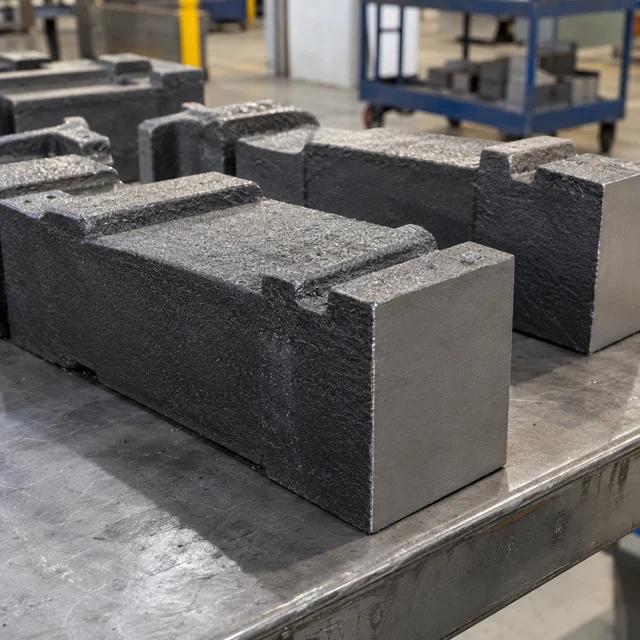
Cast blocks with grey cut faces on a foundry inspection bench

Grey cast iron

An option for cast bodies and housings; select the grade around the required strength and service conditions.

  • EN-GJL-150
  • EN-GJL-200
  • EN-GJL-250
  • EN-GJL-300
  • EN-GJL-350
  • ASTM A48 Class 20
  • ASTM A48 Class 30
  • ASTM A48 Class 35
  • ASTM A48 Class 40
  • ASTM A48 Class 50

Need a different grade? We can review it against your specification. The references above are not interchangeable; the exact grade, supply condition and certification are confirmed for your order.

From casting to finished component

The mould creates the main shape. Machining completes the working surfaces, while treatment and coatings establish the material condition and surface protection

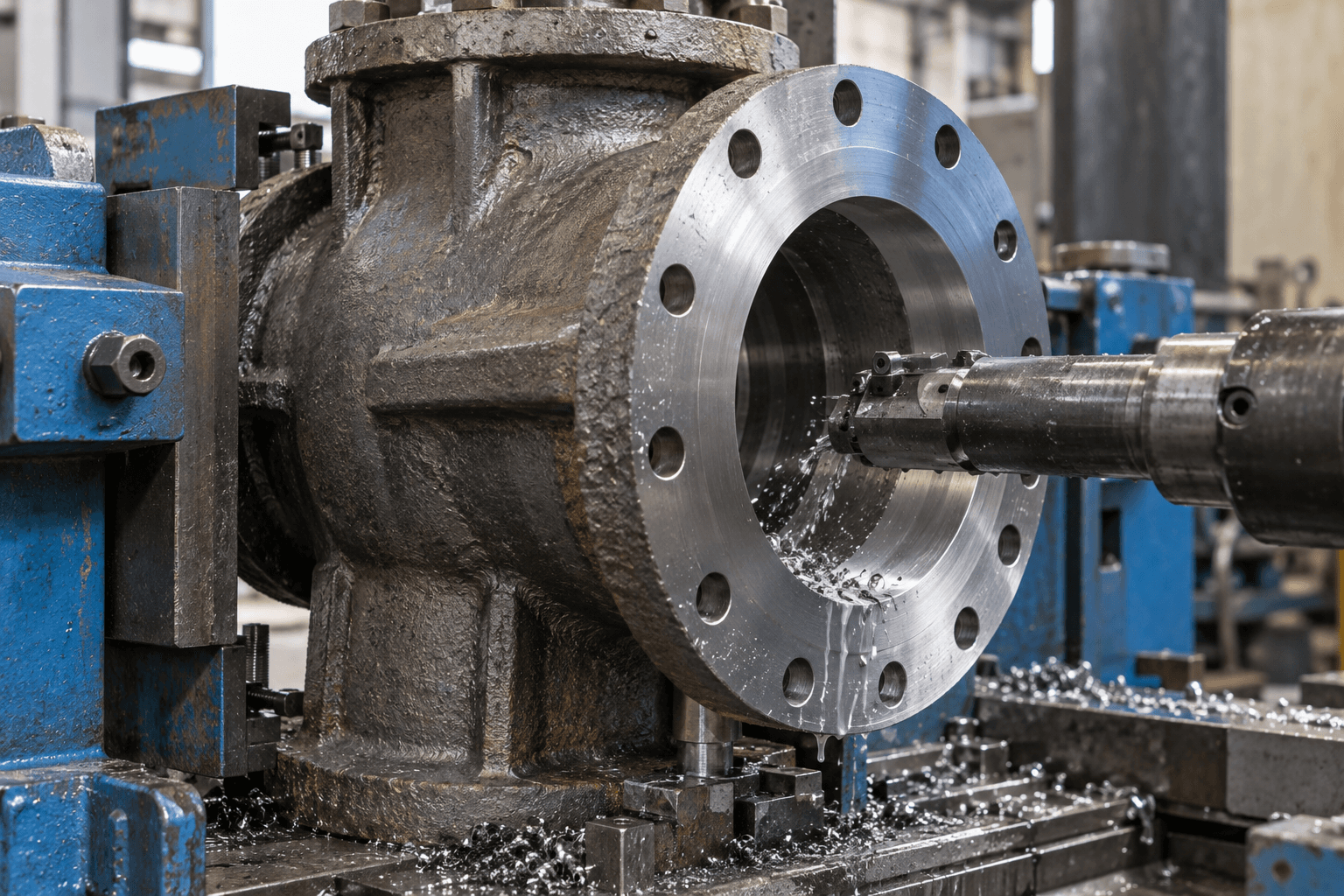
Illustrative process photograph: a boring tool machining a cast valve flange

Machining

Finish bores, threads and sealing faces, with enough material left in the casting for the required cuts.

Heat treatment and coatings

Specify the required material condition, then select paint or powder coating for the service environment.

Fitted parts and kits

Add specified bushes, studs or plugs and group parts for your assembly.

Packing and delivery

Protect the finished surfaces and identify each batch for transport and receiving.

From drawing to approved production

With the casting and finishing requirements defined, we develop the pattern and first samples. Production follows the approved drawing, material and inspection plan

  1. Define the finished part

    Confirm the iron grade, internal passages and surfaces that need machining.

  2. Develop patterns and cores

    Make the tooling that shapes the mould and its internal cavities.

  3. Approve sample castings

    Check dimensions and specified material results before you approve production.

  4. Cast the batch

    Prepare the sand moulds and cores, pour the metal, then remove the mould and excess metal.

  5. Machine and finish

    Complete the heat treatment, machining and protective finish in the agreed sequence.

  6. Inspect and deliver

    Check the finished parts, compile the specified records and pack for delivery.

Check the features your part depends on

A housing may need precise bores; a fluid body may also need a leak test. The inspection plan identifies those requirements and the records supplied with your castings

Inspection options and the records that can be specified
What is checkedHow it is verifiedSupporting record
Material and heat identityMatch the specified grade and heat or batch reference to material certificates, chemistry and the required supply condition.Material certificate linked to the heat or batch
Structure and propertiesTensile, hardness or metallography where the grade and order require them.Mechanical-test or microstructure report
Drawing characteristicsLayout inspection, gauges or coordinate measurement suited to the feature.Dimensional or first-article report
Soundness and tightnessAgree radiography, suitable surface testing or pressure testing for the relevant zones.Specified NDT or leak-test report
Material and heat identity
How it is verified

Match the specified grade and heat or batch reference to material certificates, chemistry and the required supply condition.

Supporting record

Material certificate linked to the heat or batch

Structure and properties
How it is verified

Tensile, hardness or metallography where the grade and order require them.

Supporting record

Mechanical-test or microstructure report

Drawing characteristics
How it is verified

Layout inspection, gauges or coordinate measurement suited to the feature.

Supporting record

Dimensional or first-article report

Soundness and tightness
How it is verified

Agree radiography, suitable surface testing or pressure testing for the relevant zones.

Supporting record

Specified NDT or leak-test report

The inspection plan confirms which checks and documents your order includes. Include any required certificate types, test methods, report formats or independent inspection in your enquiry so the quotation covers them.

Frequently asked questions

Materials, design requirements and machining allowances

Discuss your casting

Share your drawing, iron grade, quantities and any pressure or inspection requirements. We’ll review the casting, machining and finishing scope with you